


Mamata Banerjee Urges Voters in Bengal to Use Polls for Revenge on Electoral Roll Deletions
The CSR Journal Magazine

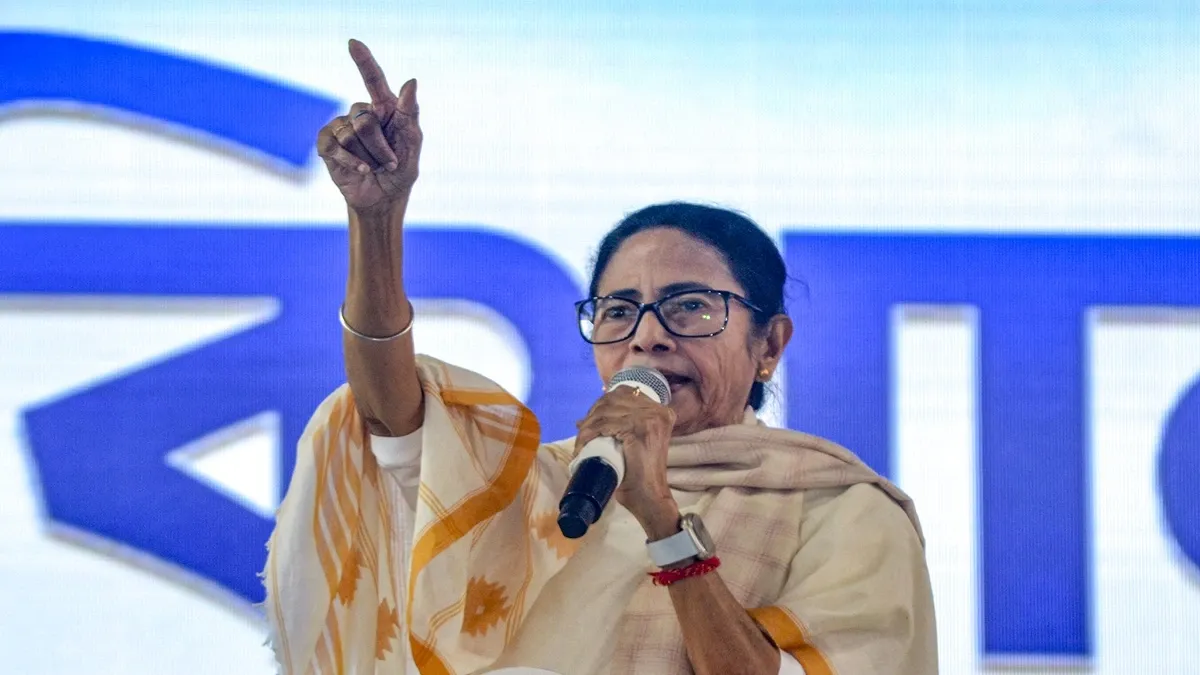
West Bengal Chief Minister Mamata Banerjee has called upon the electorate to utilise their votes in the forthcoming Assembly elections as a means of seeking retribution for the alleged removal of names from the electoral rolls during the Special Intensive Revision (SIR). Her comments came during an election rally in Samserganj, a location that has recently seen significant unrest related to the Waqf (Amendment) Act within the predominantly Muslim Murshidabad district.

Banerjee explicitly encouraged the gathering to cast their votes as a form of protest against the SIR process, stating, “Cast your votes to take revenge for deletion of people’s names, and against the SIR so that the results reflect that.” Her statements reflect a growing frustration among constituents who feel disenfranchised by these electoral changes.

The Trinamool Congress leader did not hold back in her critiques of the Election Commission, which she accused of partaking in unfair practices. Allegations included discrepancies in the voter roll updates and intimidation tactics directed at the electorate. This discourse marks an escalation in the ongoing political tensions leading up to the elections.

Critique of National Leadership and Electoral Processes

In addition to her criticisms of the Election Commission, Banerjee also directed her ire towards Union Home Minister Amit Shah, insinuating that he played a role in the alleged injustices that voters have faced. She challenged the Minister directly, asserting, “If you have the guts, fight directly.” Such remarks highlight the contentious atmosphere surrounding the current election cycle.

The Chief Minister also raised questions regarding the necessity of the SIR process, arguing that the same electoral rolls which functioned in the 2024 Lok Sabha elections could have been maintained for the upcoming Assembly polls. Her comments suggest a perceived inconsistency in the application of electoral regulations.

In a further statement, Banerjee urged that if the voter list included names of “infiltrators,” then prominent leaders, including the Prime Minister and Home Minister, should have first relinquished their positions, given they too had benefitted from those same votes. This argument is indicative of Banerjee’s strategy to rally her base by invoking broader national concerns.

Political Landscape in West Bengal Intensifies

The political climate in West Bengal is experiencing heightened tension as various parties vie for dominance ahead of the Assembly elections scheduled for later this month. Political rhetoric has escalated, with leaders from opposing factions aggressively criticising each other in a bid to sway public opinion.

Prime Minister Narendra Modi has also been active in campaigning, recently addressing a rally in Cooch Behar. Modi directed his attacks towards the Trinamool Congress government, particularly focusing on incidents involving judicial officers, framing the situation as symptomatic of a broader governance failure characterised as a “maha jungleraj.”

He has positioned the upcoming elections as a pivotal moment, contrasting the “bhay” (fear) purportedly instilled by the ruling party with the “bharosa” (trust) that the Bharatiya Janata Party aims to project. This framing seeks to appeal to voters’ desires for stability and security.

Voting for the 294-member West Bengal Assembly will take place in two phases, with the first phase scheduled for April 23 and the second on April 29. The counting of votes is set to occur on May 4, marking a significant moment in the state’s political calendar.

Long or Short, get news the way you like. No ads. No redirections. Download Newspin and Stay Alert, The CSR Journal Mobile app, for fast, crisp, clean updates!

App Store –  https://apps.apple.com/in/app/newspin/id6746449540 

Google Play Store – https://play.google.com/store/apps/details?id=com.inventifweb.newspin&pcampaignid=web_share

Latest News

Popular Videos
