


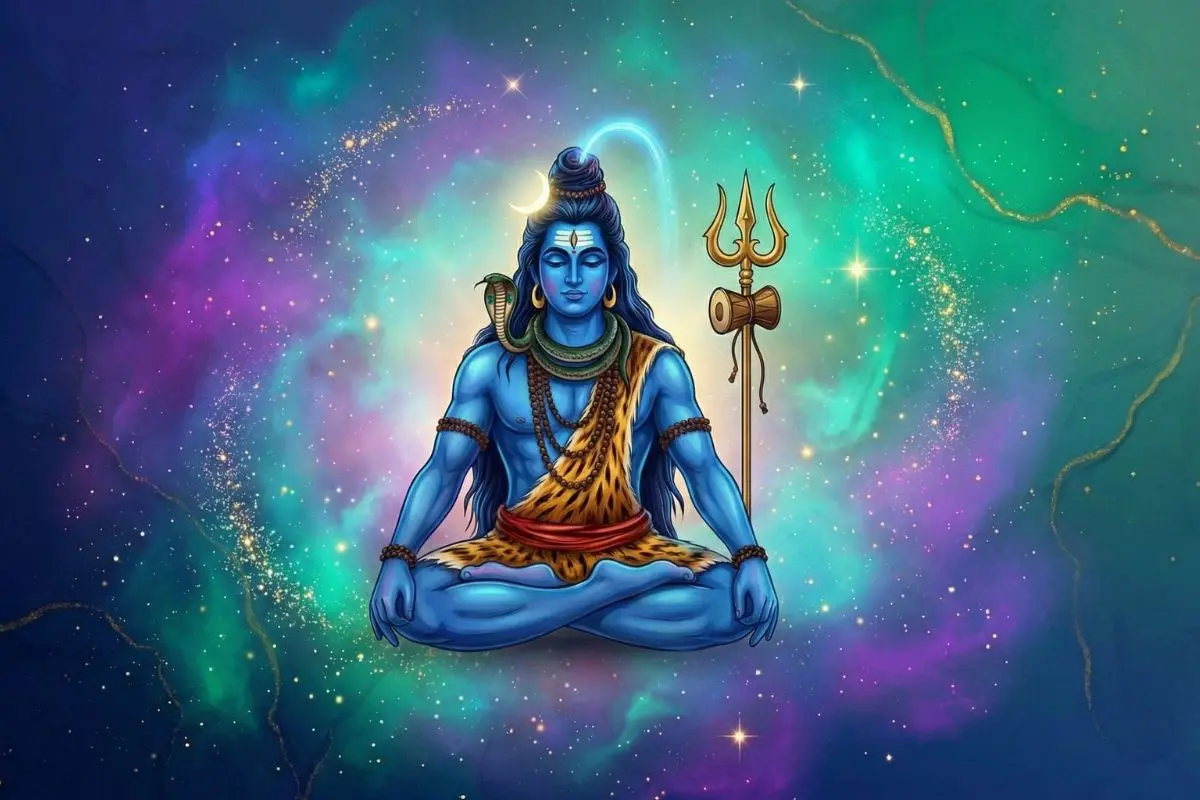

Mahashivratri, one of the most sacred Hindu festivals dedicated to Shiva, will be celebrated on February 15, 2026. Observed on the Krishna Chaturdashi of Phalguna month, the festival marks the divine union of Lord Shiva and Parvati. The night is considered spiritually powerful, making it an ideal time for prayer, fasting, and meditation.
How to Perform Mahashivratri Puja
Devotees usually begin the day with a holy bath and take a vow (vrata) to observe fast. Many choose nirjala vrat (without water), while others consume fruits and milk.
The night is divided into four pahar (time segments), and special puja is performed during each phase:
-
First Pahar: Offer water and chant “Om Namah Shivaya.”
-
Second Pahar: Perform abhishek with milk and curd.
-
Third Pahar: Offer honey and ghee.
-
Fourth Pahar: Conclude with water and bilva leaves.
The Shiva Linga is bathed with sacred items, symbolizing purification and devotion. Lighting a diya and incense sticks enhances the spiritual atmosphere. Devotees stay awake through the night, singing bhajans and meditating.
What to Offer
Traditional offerings include:
-
Water (Ganga jal if available)
-
Milk
-
Honey
-
Curd
-
Ghee
-
Bilva (Bel) leaves
-
Dhatura and white flowers
These items are believed to please Lord Shiva and bring blessings of peace and prosperity.
What to Avoid During Mahashivratri
While performing the rituals, devotees should avoid:
-
Offering tulsi leaves (not associated with Shiva worship)
-
Using broken or dried bilva leaves
-
Consuming grains or non-vegetarian food during fasting
-
Sleeping during the night vigil
-
Disrespecting ritual timings