


app-store-logo
play-store-logo
December 24, 2025

Lion Diet Uncovered: What It Is, How It Works, and the Risks
The CSR Journal Magazine

In recent years, extreme dietary trends have gained traction on social media and wellness forums, promising everything from rapid weight loss to relief from chronic inflammation. One such approach is the Lion Diet—a highly restrictive eating pattern that eliminates nearly all foods except specific types of meat. Advocates claim it can help identify food sensitivities and reduce inflammation, while critics warn about its sustainability and potential health risks. Here’s a closer look at what the Lion Diet is, how it works, and why it remains controversial.

What Is the Lion Diet?

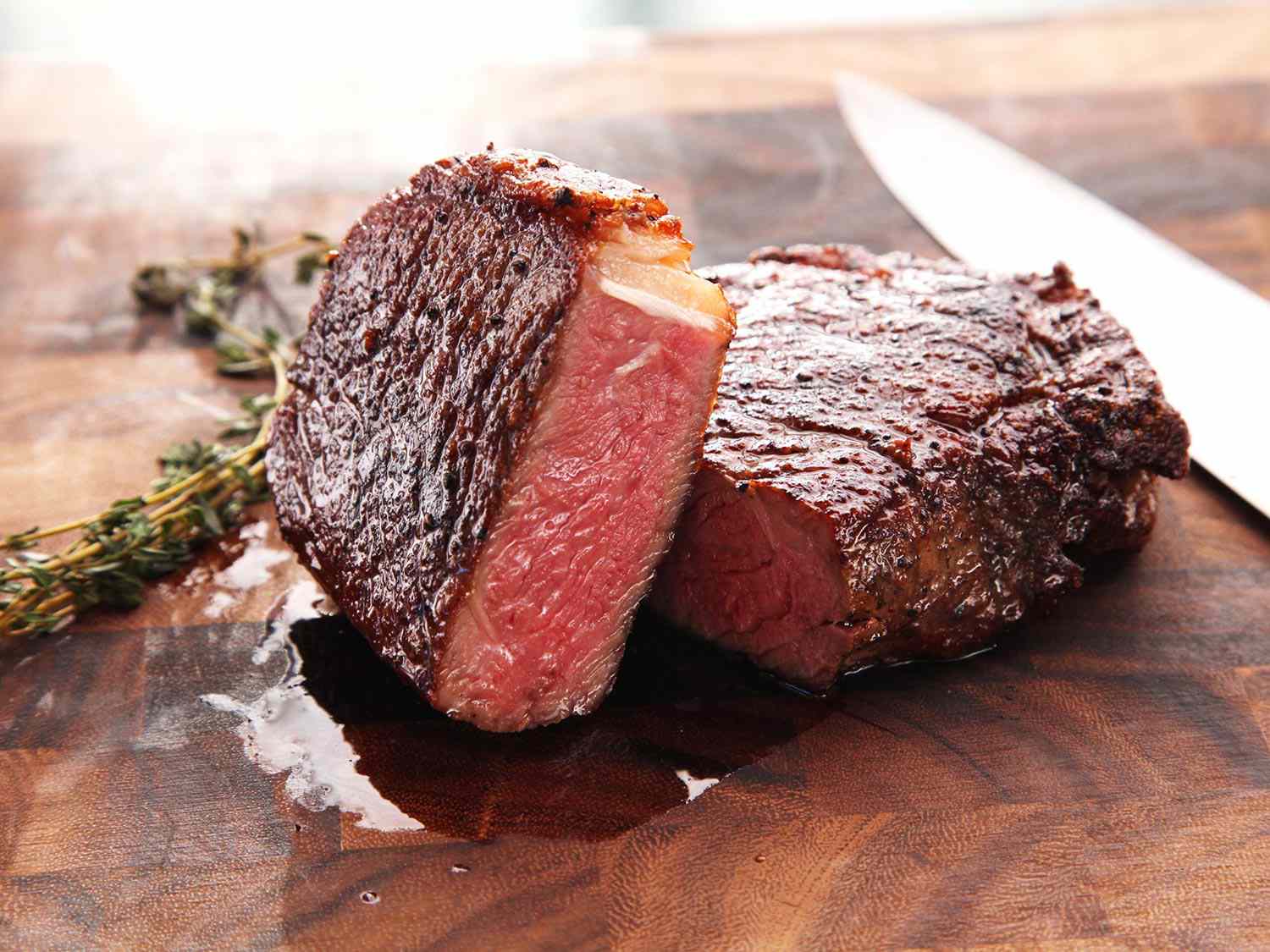
The Lion Diet is an extreme form of an elimination diet that focuses exclusively on animal-based foods. Unlike broader carnivore diets that may include eggs, dairy, or fish, the Lion Diet is far more limited. It primarily allows meat from ruminant animals—such as beef and lamb—along with salt and water.

The idea behind this diet is simplicity. By consuming only a very narrow range of foods, proponents believe the body is exposed to fewer potential irritants, making it easier to identify foods that may trigger inflammation, digestive discomfort, or autoimmune symptoms.

Foods Allowed on the Lion Diet

The list of permitted foods on the Lion Diet is intentionally short. It typically includes:
• Meat from ruminant animals like beef, lamb, goat, or bison
• Plain salt for seasoning
• Water as the only beverage

All other foods are excluded. This means no fruits, vegetables, grains, legumes, nuts, seeds, dairy, sugars, or processed foods. Even commonly accepted “healthy” plant-based foods are strictly avoided.

What the Lion Diet Eliminates?

One of the defining features of the Lion Diet is what it cuts out. The diet excludes all plant foods, including those rich in fiber, antioxidants, and phytonutrients. Sugars, refined carbohydrates, seed oils, and ultra-processed items are also completely removed.

Supporters argue that many modern health issues stem from these excluded foods, especially refined sugars and processed ingredients. By eliminating them entirely, they believe the body gets a chance to “reset.”

How the Lion Diet Is Supposed to Work?

The Lion Diet is often framed as a tool for reducing inflammation. The logic is based on elimination: remove all common dietary triggers—such as gluten, lactose, plant lectins, and certain carbohydrates—and observe how the body responds.

Some people report short-term benefits like reduced bloating, fewer digestive issues, or clearer skin. These effects may be partly due to the removal of highly processed foods and sugars, which are known to contribute to inflammation in some individuals.

Why the Diet Is So Restrictive?

Despite anecdotal success stories, the Lion Diet is extremely restrictive and difficult to sustain long-term. Eating only meat, salt, and water can make social situations, travel, and daily meal planning challenging.

The lack of variety may also lead to food fatigue, where individuals struggle to maintain the diet due to monotony. For many, this level of restriction can negatively affect their relationship with food.

Potential Health Risks and Nutrient Deficiencies

One of the biggest concerns surrounding the Lion Diet is the risk of nutrient deficiencies. By excluding all plant foods, the diet lacks fiber, vitamin C, and several essential micronutrients commonly found in fruits and vegetables.

Over time, this may contribute to digestive issues, changes in gut health, and side effects such as fatigue or brain fog. The absence of dietary fiber can also affect gut microbiome diversity, which plays a crucial role in overall health.

Additionally, consuming large amounts of red meat may not be suitable for everyone, particularly individuals with certain cardiovascular or kidney conditions.

Is the Lion Diet Sustainable or Safe?

The Lion Diet may offer short-term insight for people attempting to identify severe food sensitivities under medical supervision. However, for the average person, it is not considered a balanced or sustainable eating pattern.

Most health experts emphasize the importance of dietary diversity for long-term health. While eliminating ultra-processed foods can be beneficial, completely removing all plant-based foods may create more problems than it solves.

The Lion Diet is one of the most extreme elimination diets in modern nutrition culture. While it claims to reduce inflammation by stripping the diet down to its bare essentials, it also comes with significant challenges and risks. Anyone considering this approach should proceed with caution and ideally consult a healthcare professional before making such a drastic change. In nutrition, as in life, balance often proves to be more powerful than extremes.

Long or Short, get news the way you like. No ads. No redirections. Download Newspin and Stay Alert, The CSR Journal Mobile app, for fast, crisp, clean updates!

App Store – https://apps.apple.com/in/app/newspin/id6746449540

Google Play Store – https://play.google.com/store/apps/details?id=com.inventifweb.newspin&pcampaignid=web_share

Latest News

Popular Videos
