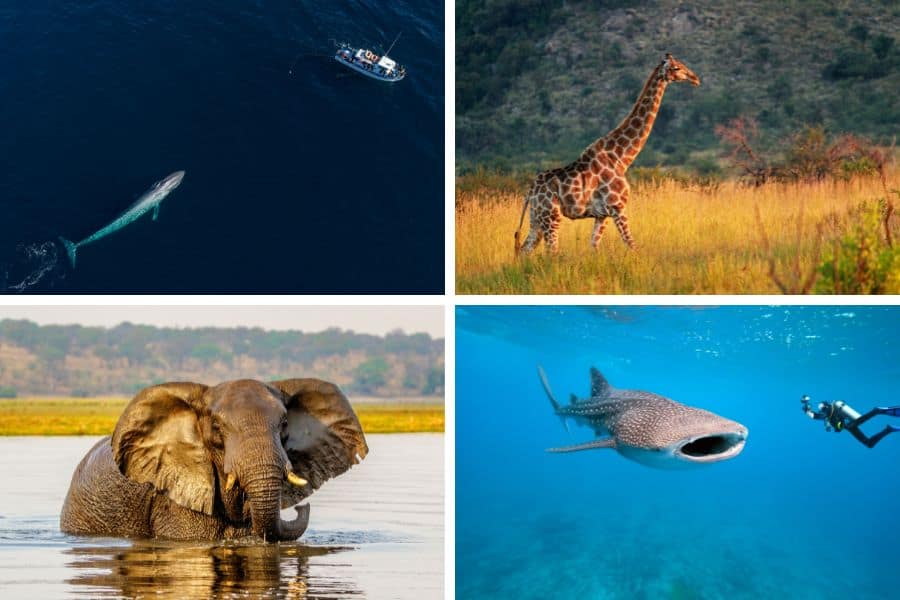

From the deepest oceans to open savannas and frozen polar regions, Earth is home to animals of astonishing size. These giants are not merely biological marvels; they are keystone species that shape ecosystems, influence food chains, and reflect millions of years of evolution. This structured article explores the ten largest animals in the world, beginning with a comparative table followed by detailed profiles of each animal, focusing on their size, habitat, and distinct characteristics.
Rank |
Animal |
Category |
Primary Habitat |
Maximum Size |
1 |
Blue Whale |
Mammal |
Open Oceans |
30 m, 190,000 kg |
2 |
Whale Shark |
Fish |
Tropical & Subtropical Seas |
18.8 m, 34,000 kg |
3 |
African Elephant |
Mammal |
African Savannas & Forests |
4 m (shoulder), 12,000 kg |
4 |
Giraffe |
Mammal |
African Savannas |
5.9 m tall, 1,930 kg |
5 |
Colossal Squid |
Mollusc |
Southern Ocean (Deep Sea) |
14 m, 495 kg |
6 |
Hippopotamus |
Mammal |
African Rivers & Lakes |
5 m, 4,500 kg |
7 |
Saltwater Crocodile |
Reptile |
Coastal Rivers & Estuaries |
7 m, 2,200 kg |
8 |
Polar/Kodiak Bear |
Mammal |
Arctic & Alaska |
3 m, 1,600 kg |
9 |
Ostrich |
Bird |
African Grasslands & Deserts |
2.7 m tall, 156 kg |
10 |
Giant Squid |
Mollusc |
Deep Ocean Worldwide |
13 m, 275 kg |
1. Blue Whale – The Largest Animal Ever
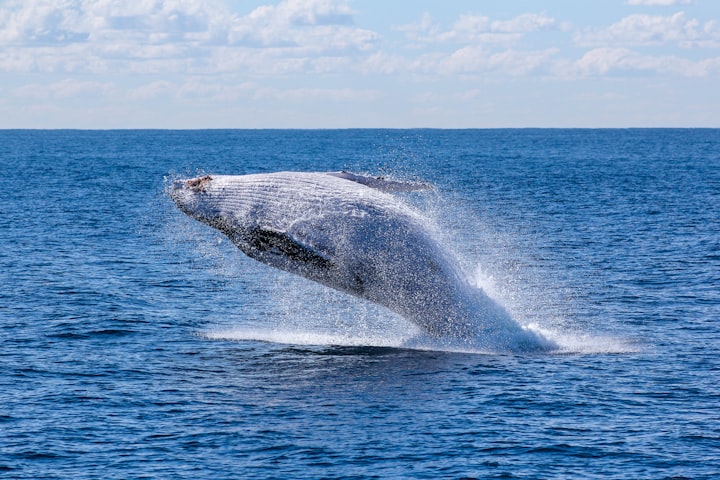
The blue whale is the undisputed giant of the animal kingdom and the largest creature ever known to exist. Found in all major oceans, this marine mammal can grow longer than a commercial airplane and weigh as much as 33 elephants combined. Despite its massive size, the blue whale feeds almost exclusively on tiny krill. Its heart alone weighs as much as a small car, and its movements help circulate nutrients through ocean ecosystems.
2. Whale Shark – The World’s Largest Fish
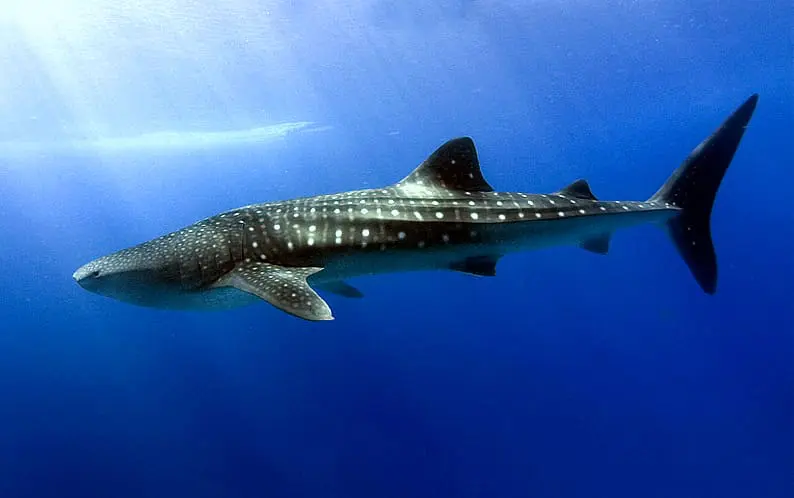
The whale shark is the largest living fish, inhabiting warm tropical and subtropical seas. Recognisable by its spotted skin and broad mouth, this gentle giant feeds by filtering plankton, small fish, and eggs from the water. Unlike many large marine predators, whale sharks are harmless to humans and often attract eco-tourism, highlighting the importance of marine conservation.
3. African Elephant – The Biggest Land Animal
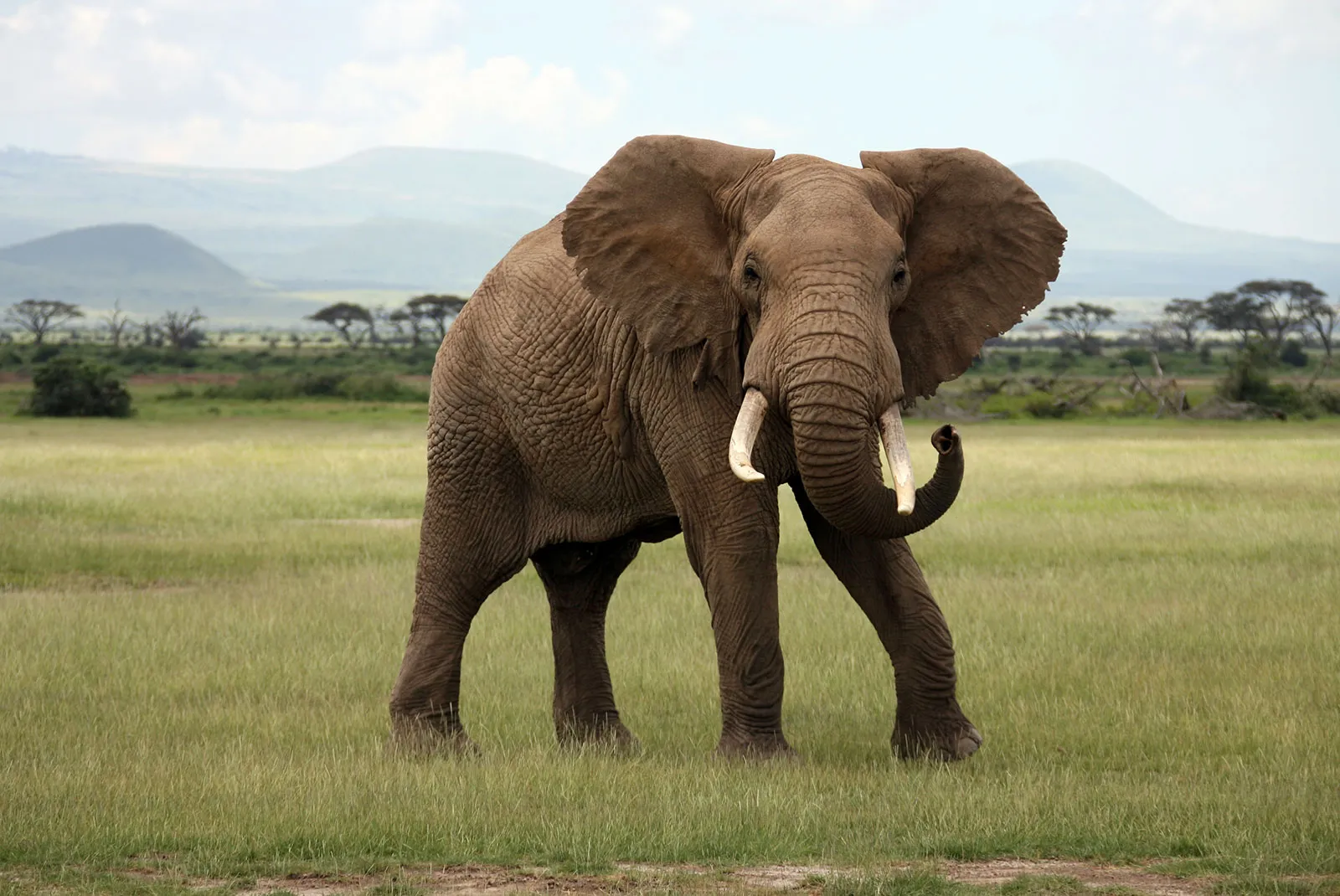
The African bush elephant holds the title of the largest land animal on Earth. Living across savannas, forests, and grasslands of Africa, these elephants play a vital ecological role. They shape landscapes by knocking down trees, creating water access points, and dispersing seeds over long distances. Their intelligence, strong social bonds, and memory make them one of the most complex animals on land.
4. Giraffe – The Tallest Living Animal

The giraffe is instantly recognisable as the tallest animal on the planet. Native to African savannas and open woodlands, its long neck allows it to feed on leaves high in acacia trees. Beyond feeding, giraffes use their necks as weapons during mating contests. Their unique cardiovascular system allows blood to travel efficiently to the brain despite their extreme height.
5. Colossal Squid – Heavyweight of the Deep Sea
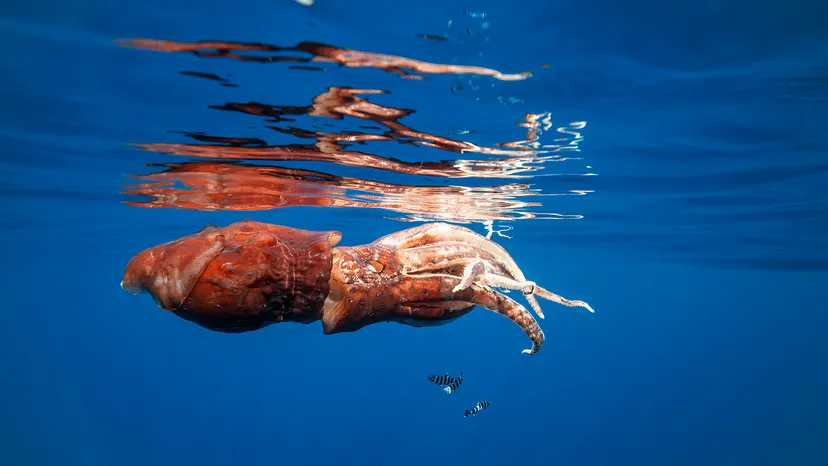
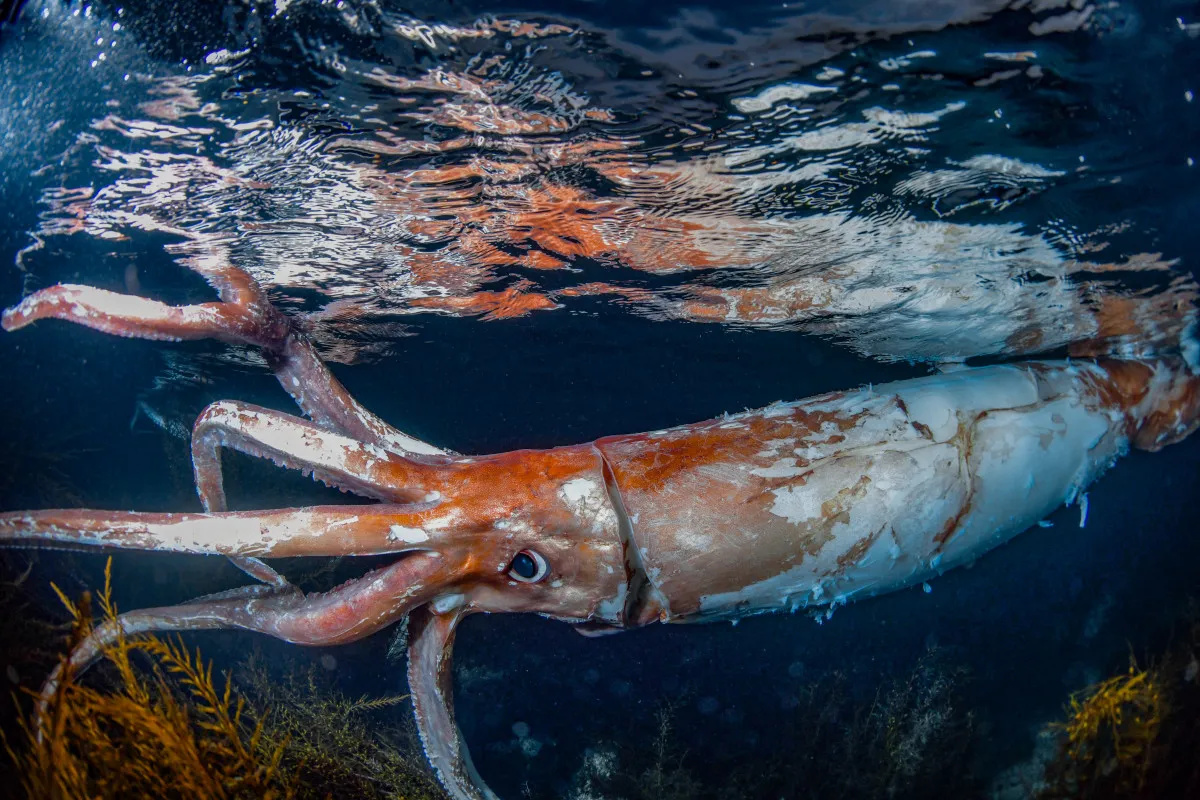
The colossal squid lives in the cold, dark depths of the Southern Ocean. Heavier than the giant squid, it possesses the largest eyes of any animal, allowing it to detect faint light in near-total darkness. Rarely seen alive, this elusive mollusc represents one of the ocean’s greatest mysteries and highlights how little humans know about deep-sea life.
6. Hippopotamus – Giant of African Waterways
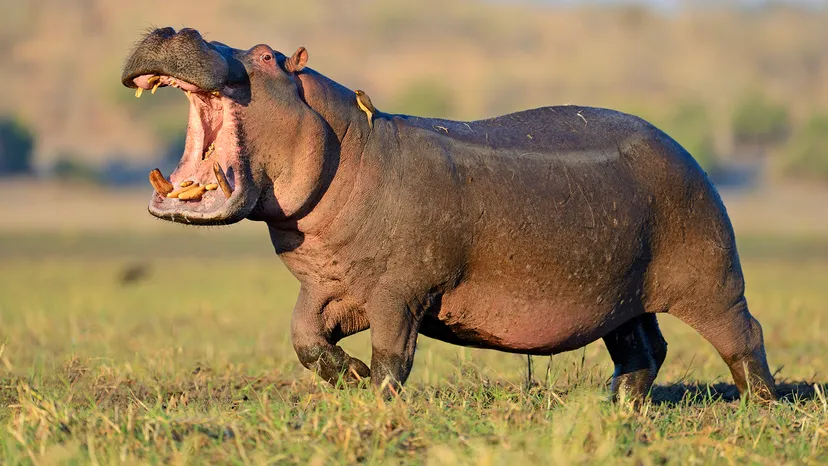
The hippopotamus is among the heaviest land mammals, spending much of its life in rivers and lakes across sub-Saharan Africa. Though herbivorous, hippos are highly territorial and aggressive when threatened. Their semi-aquatic lifestyle helps regulate river ecosystems, as their grazing patterns influence nutrient cycles between land and water.
7. Saltwater Crocodile – The Largest Reptile Alive
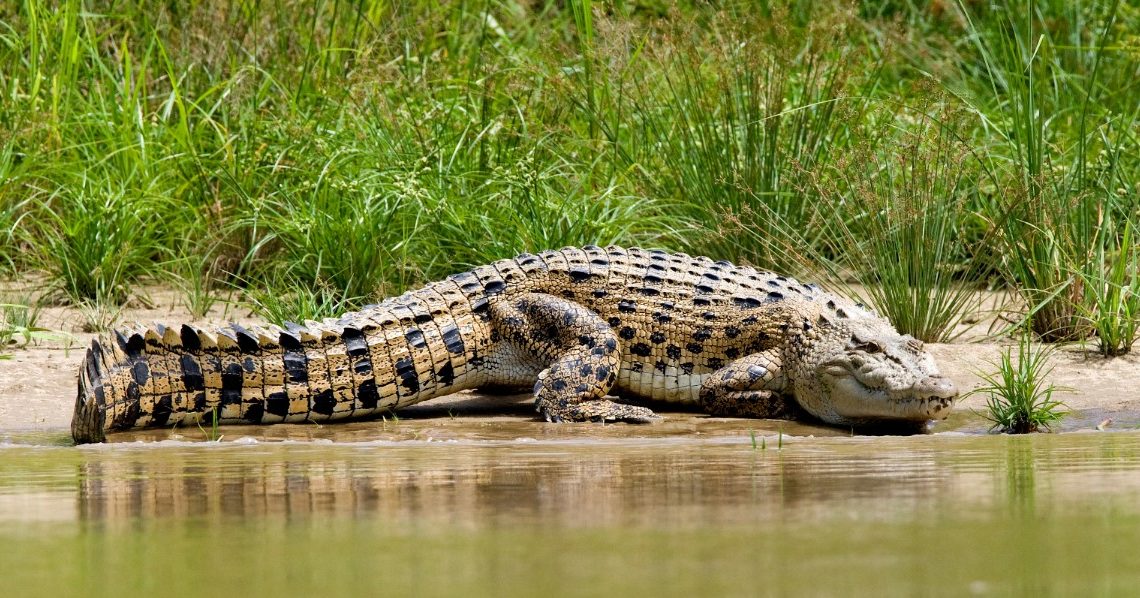
The saltwater crocodile is the world’s largest living reptile, inhabiting coastal waters, estuaries, and rivers from India to northern Australia. A powerful ambush predator, it has the strongest bite force of any animal. Often called a “living fossil,” this species has remained largely unchanged for millions of years.
8. Polar Bear and Kodiak Bear – Giants Among Carnivores
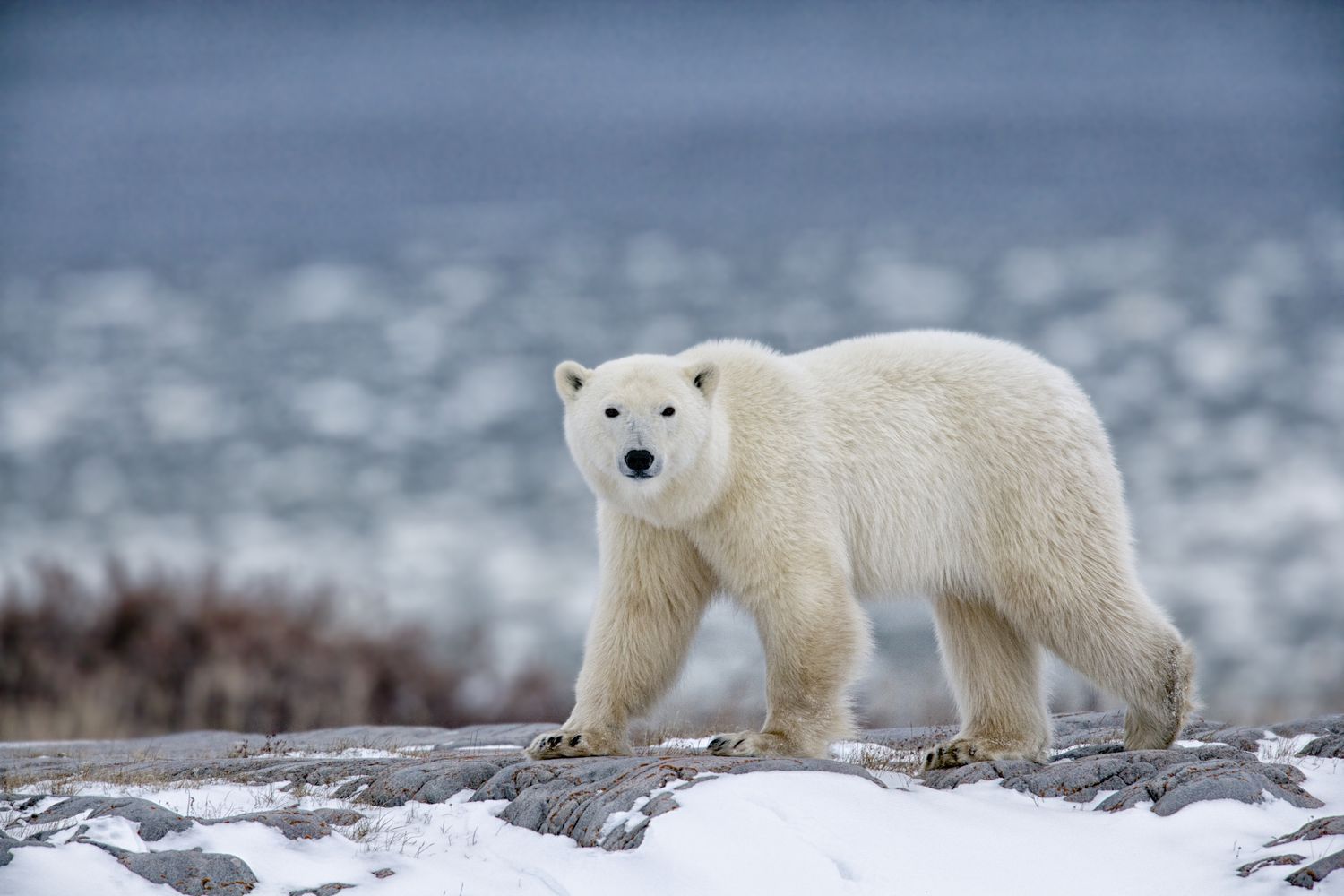
Polar bears and Kodiak bears share the title of the largest land carnivores. Polar bears dominate the Arctic ice, relying heavily on seals for survival, while Kodiak bears inhabit Alaska’s islands and coastal regions. Both species require vast territories and are increasingly affected by climate change and habitat disruption.
9. Ostrich – The Largest Bird
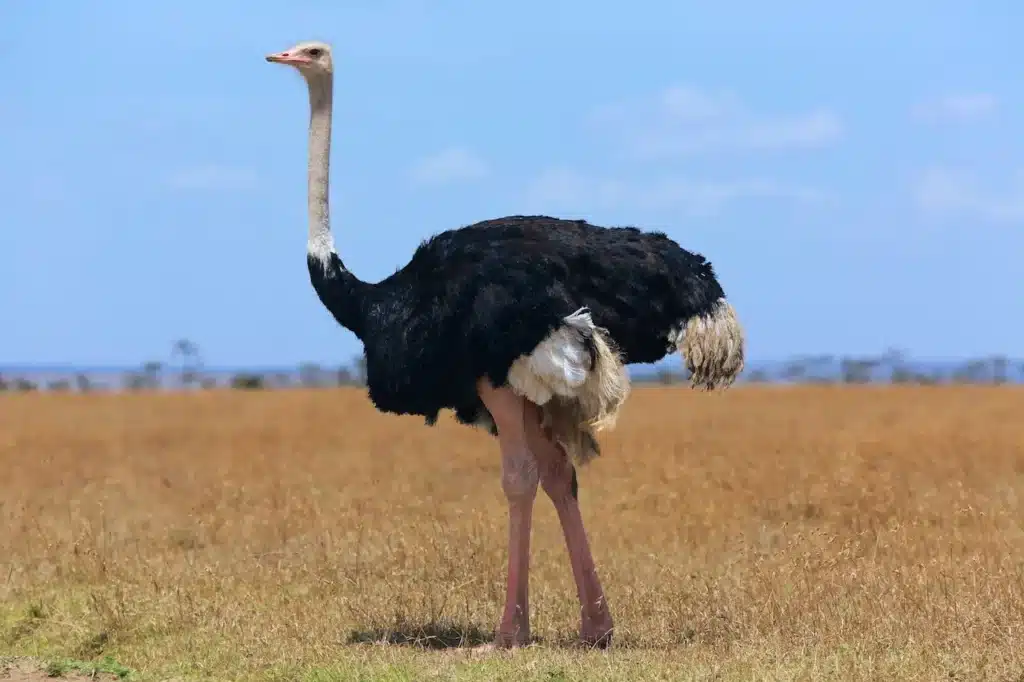
Native to Africa, the ostrich is the world’s largest and heaviest bird. Although flightless, it is exceptionally fast, capable of sprinting up to 70 km/h. Its powerful legs are used for both speed and defence, making it well adapted to open grasslands and desert environments.
10. Giant Squid – Legend of the Deep