


Lalit Modi Criticizes Sanjiv Goenka Over IPL Credit Controversy
The CSR Journal Magazine

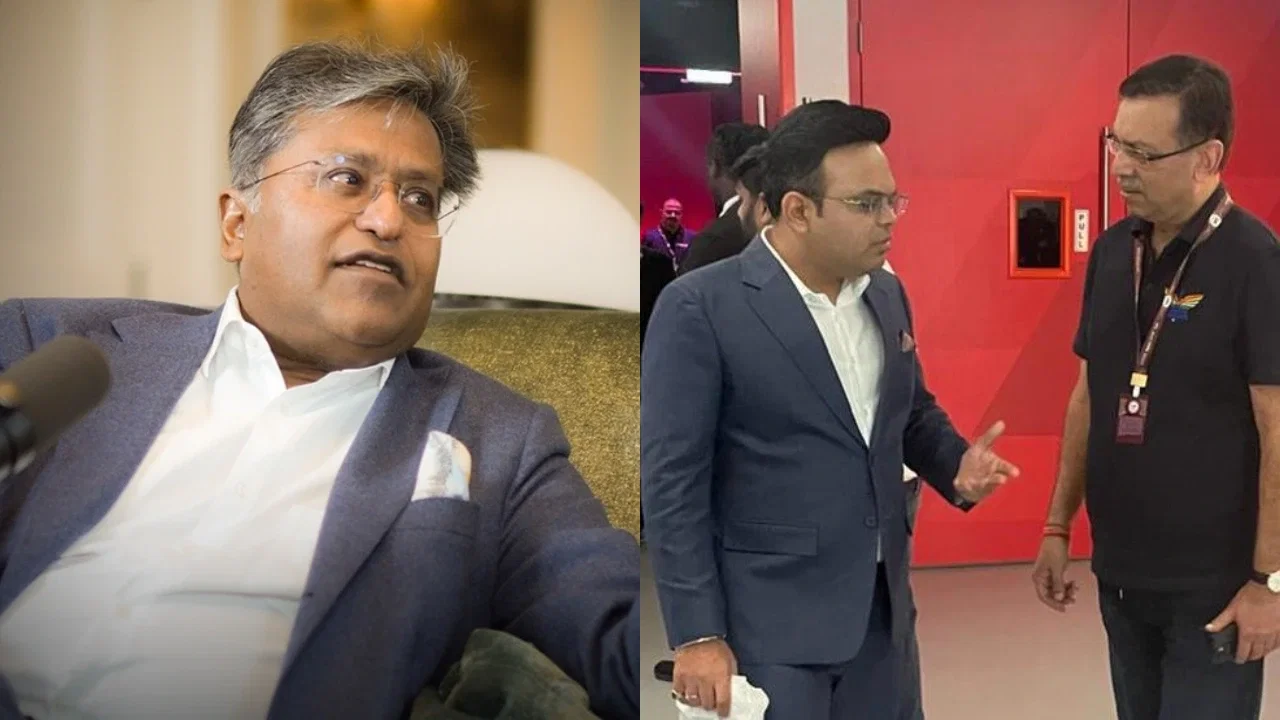
Lalit Modi, the founder of the Indian Premier League (IPL), has expressed his displeasure towards Sanjiv Goenka, the owner of the Lucknow Super Giants. This came after Goenka attributed significant growth in the IPL to Jay Shah, the former president of the Board of Control for Cricket in India (BCCI). Goenka made his remarks on the social media platform X in the early hours of March 26. His comments followed the recent sale of two IPL franchises—the Rajasthan Royals and the Royal Challengers Bengaluru—to high-profile consortiums for over USD 1 billion. For instance, the valuation of the Royal Challengers Bengaluru has surged nearly 37 times since Vijay Mallya acquired the team in 2008.

Goenka’s Praise for Shah

Sanjiv Goenka articulated on X that the remarkable valuations of the franchises could be linked to the structure of the IPL and the governance that inspired confidence among brands to invest substantially. He credited much of this success to Jay Shah’s vision for establishing a robust foundation for the IPL. Goenka’s remarks, intended to acknowledge Shah’s contributions, received a sharp rebuttal from Modi, who is often viewed as the architect of the league’s conceptual framework.

Modi’s Reaction

In response, Modi criticized Goenka, stating, “Seriously, this guy really has memory loss of who conceived the model. That’s okay. He just lives in his own world.” This exchange highlights an ongoing tension regarding the recognition of contributions to the IPL’s success and development.

Historical Context of the IPL

The inception of the Indian Premier League can be tracked back to the early 2000s when the idea of a franchise-based T20 cricket league started to gain traction. A pivotal moment occurred in December 2003 when Lalit Modi expressed his ambition to introduce a new format to the sport. Over subsequent years, with political support and adjustments within Rajasthan cricket, Modi successfully rose to the position of president of the Rajasthan Cricket Association, establishing his presence in the cricket administration.

Challenges and Opportunities

Initially, the concept of a city-based league faced resistance from the BCCI. However, the scenario changed dramatically with the emergence of the Indian Cricket League (ICL), introduced by Subhash Chandra. This privately funded T20 league, including both international and domestic players, posed a challenge to the BCCI’s dominance in cricket. In response to the ICL’s threat of winning over players and revenue, the BCCI recognized the necessity to take action.

The Birth of the IPL

By this time, Modi had secured a position within the BCCI, largely due to his association with then-president Sharad Pawar. The IPL was officially announced in September 2007, receiving backing from both the BCCI and the International Cricket Council. The announcement’s timing coincided with India’s victory in the inaugural T20 World Cup later that year, which helped legitimize the T20 format and generate substantial interest.

Evolution of the IPL

Overcoming initial skepticism, the league attracted investors, accommodating eight franchises in its first auction. What started as an audacious venture rapidly evolved into one of the most influential sporting entities globally, marking a significant evolution in the landscape of cricket.

Long or Short, get news the way you like. No ads. No redirections. Download Newspin and Stay Alert, The CSR Journal Mobile app, for fast, crisp, clean updates!

App Store –  https://apps.apple.com/in/app/newspin/id6746449540 

Google Play Store – https://play.google.com/store/apps/details?id=com.inventifweb.newspin&pcampaignid=web_share

Latest News

Popular Videos
