


Kerala’s Othalanga ‘Suicide Tree’ Linked To Hundreds Of Deaths And Forensic Mystery
The CSR Journal Magazine

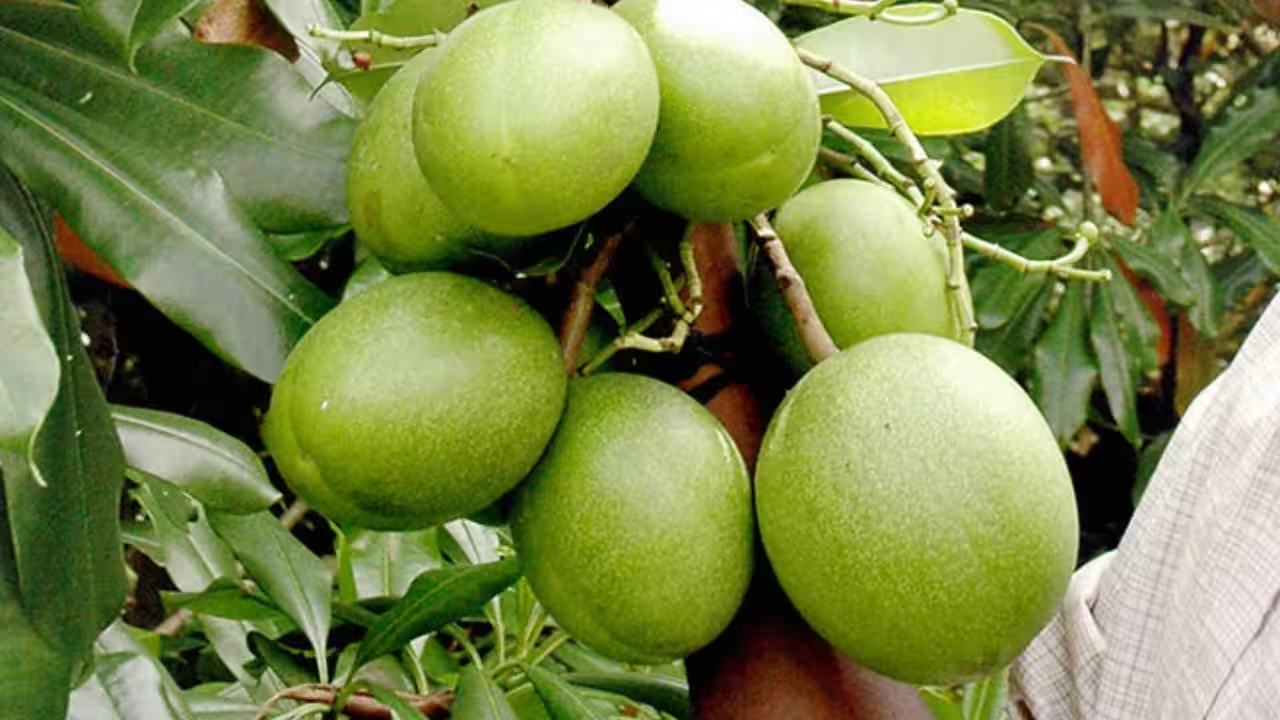
The othalanga tree, also known scientifically as Cerbera odollam, appears to be an ordinary part of Kerala’s landscape. Its glossy green leaves and white flowers contribute to the scenic beauty, while its green, mango-like fruit gives no hint of the danger it harbours. This tree has gained notoriety as the “suicide tree” due to its association with numerous poisonings in the region, creating a significant challenge for medical and forensic professionals in identifying the cause of death.

Toxic Properties and Health Risks

A study published in 2004 in the Journal of Ethnopharmacology revealed that the seeds of the othalanga tree contain cerberin, a toxic cardiac glycoside. This substance disrupts the heart’s electrical activity, leading to potentially fatal consequences such as cardiac arrest. The research highlighted the tree’s classification within the Apocynaceae family, which includes several other poisonous plants, and indicated that the fruit, often referred to as “sea mango,” is deceptively benign in appearance.

The othalanga tree is not limited to remote areas; it thrives in coastal regions of Kerala, often near human settlements and waterways. Its widespread presence in the local environment increases the risk of accidental poisonings, making the understanding of its toxic properties crucial for public health and safety.

The 2004 study documented 537 deaths attributed to othalanga poisoning in Kerala between 1989 and 1999. This alarming statistic underscores the need for greater awareness among healthcare providers and forensic experts regarding the potential dangers posed by this plant. The researchers cautioned that many cases of poisoning might go unrecognised, complicating the task of establishing the true cause of death.

Challenges in Forensic Identification

The identification of cerberin as the toxin responsible for these fatalities presents significant challenges for forensic investigations. A report from May 2015 in The Washington Post noted that standard post-mortem examinations often fail to detect cerberin, which can lead to misdiagnosis of the cause of death. The 2004 researchers had similarly pointed out that the lack of adequate analytical methods for recognising the toxin could hinder investigations.

Symptoms of cardiac glycoside poisoning can overlap with those of various other medical emergencies, making it essential for investigators to consider the clinical history, post-mortem findings, and toxicological analyses in conjunction. A later review of Cerbera odollam toxicity reiterated that routine tests designed to detect digoxin, another cardiac glycoside, are not reliable for identifying cerberin.

This highlights the importance of employing appropriate laboratory methods and maintaining a high index of suspicion when dealing with potential cases of poisoning from the othalanga tree. In May 2015, a poisoning incident at a Sports Authority of India training centre in Alappuzha resulted in the hospitalisation of four teenage athletes, one of whom tragically died, further illustrating the risks associated with this plant.

Ecological Role of the Othalanga Tree

Despite its association with fatal poisonings, the othalanga tree plays a role in Kerala’s coastal ecosystem. Its presence contributes to the local biodiversity, and its toxic properties do not render it entirely ecologically worthless. Understanding the dual nature of this plant is essential for mitigating risks while recognising its ecological significance.

Efforts must focus on educating the public about the dangers posed by the othalanga tree and ensuring that suspected poisonings are accurately identified. The tree continues to grow alongside Kerala’s waterways, serving as a reminder that appearances can be misleading and that thorough investigation is vital to ascertain the cause of death in cases of poisoning.

Ultimately, the challenge lies in balancing the ecological role of the othalanga tree with the need for public safety, ensuring that the risks associated with its toxic properties are acknowledged and addressed appropriately.

Long or Short, get news the way you like. No ads. No redirections. Download Newspin and Stay Alert, The CSR Journal Mobile app, for fast, crisp, clean updates!

App Store – https://apps.apple.com/in/app/newspin/id6746449540

Google Play Store – https://play.google.com/store/apps/details?id=com.inventifweb.newspin&pcampaignid=web_share

Latest News

Popular Videos
