


app-store-logo
play-store-logo
February 3, 2026

Kanwar Art in Rajasthan Faces Extinction with Only 4 Artisans Left
The CSR Journal Magazine

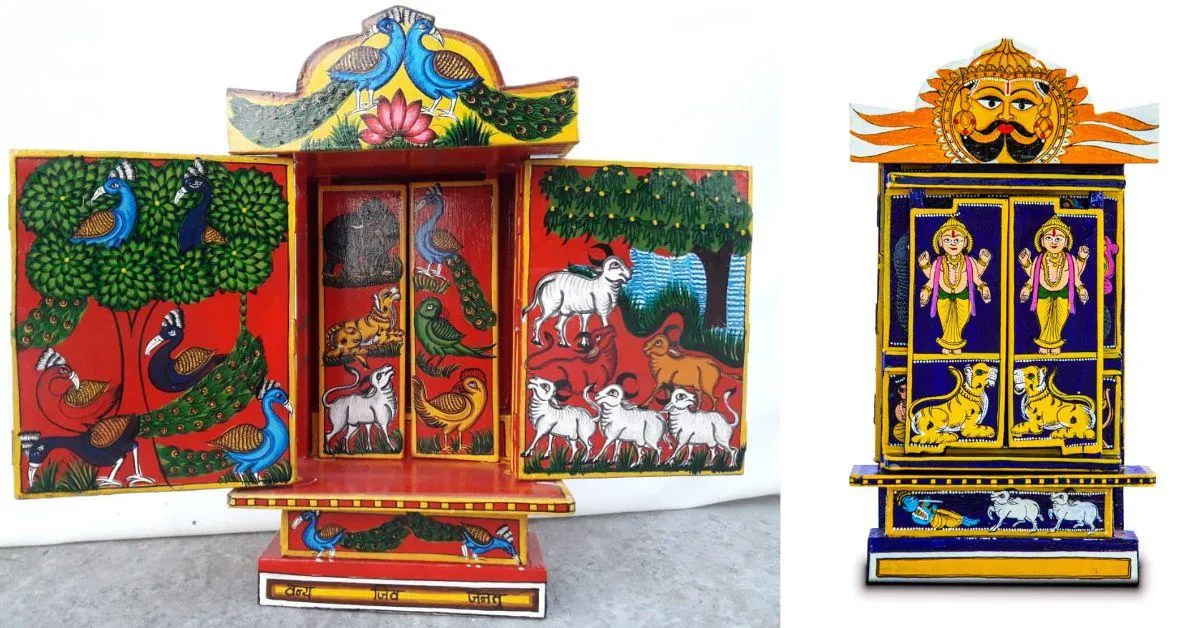
Kaavad, a centuries-old folk art form from Rajasthan, which once served as a vital medium for storytelling in rural communities, is now on the verge of extinction. Known for its foldable wooden temples that narrate epics through intricate visuals and oral accounts, the art once played a central role in taking mythological tales such as the Ramayana and Mahabharata to households in remote villages.

Today, only four artisans remain in Rajasthan who continue to practice this craft. These surviving craftsmen are largely motivated by emotional attachment and a desire to preserve the legacy of their ancestors, rather than market demand or economic gain.

Cultural Significance of Kaavad in Rural Life

Kaavad art was historically practised by the Bhatt community, who would travel from village to village carrying elaborately designed wooden shrines called “”kaavads””. These portable structures, carved and painted with scenes from Hindu mythology, would unfold like a book, each panel representing a chapter in a sacred narrative.

Gathering around these storytellers, communities would engage in devotional and cultural experiences, listening to verses accompanied by devotional songs. At a time when electronic communication was absent, Kaavad acted as both a spiritual and educational tool, bringing religious stories to life for people of all ages.

Bassi Village: The Traditional Hub of Kaavad Art

Bassi, a village located approximately 22 kilometres from Chittorgarh, was once the heart of Kaavad craftsmanship. Artisans in the area built and painted the foldable shrines and travelled across the state narrating stories. However, with changing times and the rise of digital media, interest in this ancient art form has significantly waned.

Today, there are no shops in Bassi that sell kaavads. With a sharp decline in public demand, most artisans have switched to other forms of livelihood, including painting, wood-carving, and furniture-making.

Recognition Without Support

While Kaavad art has received appreciation for its cultural and artistic value, those associated with the craft say it has never received meaningful or sustained support for preservation. Despite its importance to Rajasthan’s cultural heritage, there have been no effective measures to ensure its continuity or offer financial assistance to artisans.

Some surviving practitioners continue to create kaavads for exhibitions or as keepsakes, but without consistent buyers or institutional backing, the art form faces an uncertain future. The few existing artists are ageing, and there is little indication of upcoming generations taking up the craft amidst a lack of income and opportunities.

As traditional storytelling customs decline and consumer interests shift, Kaavad art stands as a fading symbol of rural Rajasthan’s rich oral and visual traditions.”

Long or Short, get news the way you like. No ads. No redirections. Download Newspin and Stay Alert, The CSR Journal Mobile app, for fast, crisp, clean updates!

App Store – https://apps.apple.com/in/app/newspin/id6746449540

Google Play Store – https://play.google.com/store/apps/details?id=com.inventifweb.newspin&pcampaignid=web_share

Latest News

Popular Videos
