


Japan Launches World’s First Freight-Only Shinkansen Capable of 275 kmph
The CSR Journal Magazine

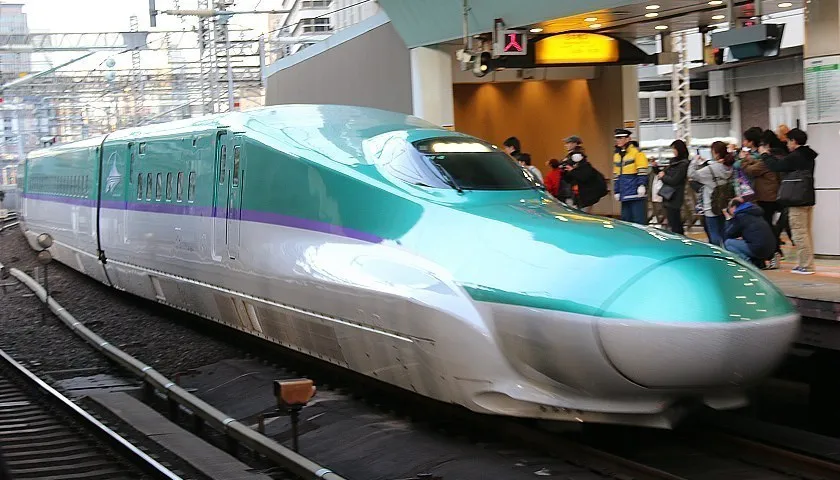
Japan has introduced an innovative freight transportation system by converting one of its renowned Shinkansen bullet trains into a dedicated cargo carrier. This initiative, spearheaded by the East Japan Railway Company, marks the launch of the world’s first freight-only Shinkansen, repurposing the E3 series—a train originally intended for passenger service. The redesigned train now facilitates the transportation of goods at remarkable speeds of up to 275 kmph.

Modified Interior for Efficient Cargo Transport

The transformation of the E3 series involved removing passenger seats and optimizing the interior layout for cargo. The redesign allows the train to accommodate approximately 1,000 boxes, amounting to around 17.4 tonnes of goods per trip. Unlike traditional freight trains, which focus on carrying large volumes at slower speeds, this high-speed alternative prioritizes rapid delivery without compromising safety or stability.

Service Operation and Route

The freight-only service operates between Morioka and Tokyo on the Tohoku Shinkansen line, completing the journey in just over three hours. By utilizing existing high-speed rail infrastructure for cargo operations, East Japan Railway Company avoids the necessity of constructing new logistics corridors. In some instances, freight cars are coupled with passenger trains, allowing for efficient track use while upholding high-speed operation.

Cargo Types and Speed Rationale

The inaugural trip highlighted the types of goods best suited to this speedy transportation method. High-value and perishable items including fresh scallops from Iwate Prefecture and precision instruments were among the first cargo transported. The system is designed to meet the needs of time-sensitive commodities such as seafood, premium agricultural products, and pharmaceuticals, thereby benefiting from the quick, stable delivery system.

From Pandemic Trials to Operational Freight System

The concept of using bullet trains for cargo transport was initially explored during the COVID-19 pandemic when reduced passenger traffic enabled experimentation with transporting goods in passenger compartments. These trials demonstrated the potential for high-speed rail logistics. As demand grew alongside labor shortages in trucking, the East Japan Railway Company developed a fully dedicated freight configuration to meet these evolving requirements.

Engineering Challenges and Solutions

Converting a passenger Shinkansen into a dedicated cargo carrier involved significant engineering modifications. Structural reinforcements were necessary after the removal of seats to manage concentrated loads effectively. Additionally, cargo securing systems were implemented to ensure stability while maintaining the train’s aerodynamic properties. Despite these adaptations, the freight Shinkansen operates at speeds comparable to traditional passenger services, providing a faster alternative to conventional rail and being more energy-efficient than air freight.

Significance of Japan’s Freight-Only Shinkansen

This innovative freight-only Shinkansen exemplifies a shift in logistical approaches, marrying speed and efficiency with sustainability. By demonstrating the potential of high-speed rail in the cargo sector, Japan positions itself at the forefront of evolving transportation solutions, reflecting a broader trend that other nations may adopt in the future to enhance their supply chains.

Long or Short, get news the way you like. No ads. No redirections. Download Newspin and Stay Alert, The CSR Journal Mobile app, for fast, crisp, clean updates!

App Store –  https://apps.apple.com/in/app/newspin/id6746449540 

Google Play Store – https://play.google.com/store/apps/details?id=com.inventifweb.newspin&pcampaignid=web_share

Latest News

Popular Videos
