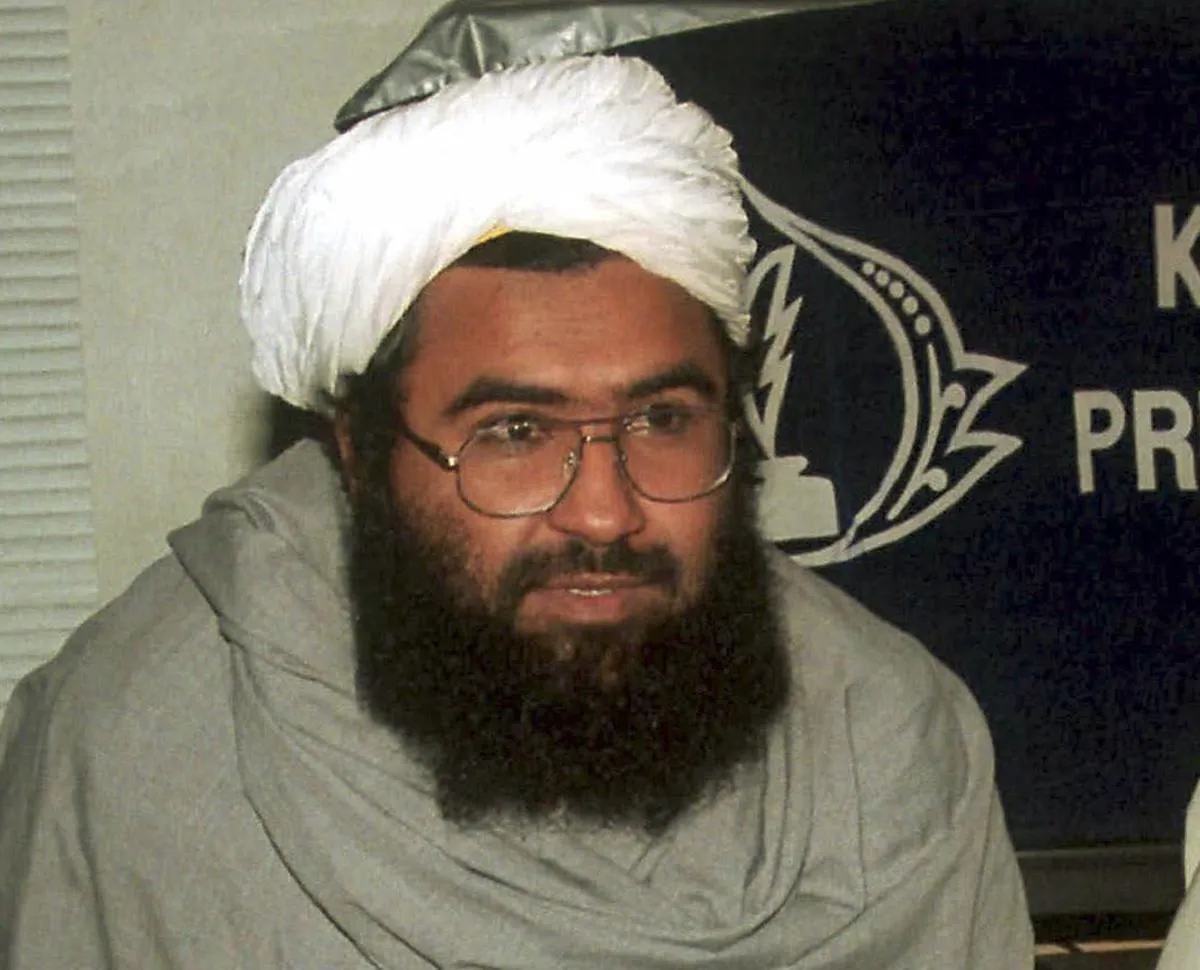
During a gathering held on February 5 in Rawalkot, located in Pakistan-administered Kashmir, a prominent leader of the Jaish-e-Mohammed organization, Ilyas Kashmiri, made notable remarks concerning the Indian-Pakistani conflict. The event was attended by various organization members, including new recruits, further emphasizing the group’s significance in the region.
Formalizing Religious Justification of Conflict
Kashmiri took the opportunity to reflect on the timeline of Operation Sindoor, highlighting the pivotal role it played in shaping the organization’s narrative. He noted that the group’s commander had officially framed this ongoing struggle in religious terms, suggesting a shift towards a more theologically motivated approach in their operations against India.
Context of the ‘Ghazwa-e-Hind’ Declaration
In his speech, Kashmiri alluded to the concept of ‘Ghazwa-e-Hind,’ which translates to ‘the battle of India’ in a religious context. He indicated that Asim Munir, a senior Pakistani military official, had previously advocated this notion, potentially solidifying a standpoint that frames the conflict as not just territorial but also as part of a larger religious war.
Operational Impact on Conflict Dynamics
Kashmiri’s remarks come at a time when various armed groups remain active in the region, increasing concerns over violence and insecurity. The reference to ‘Ghazwa-e-Hind’ is particularly significant as it highlights the efforts to galvanize support for militant activities under the banner of religious fervor. This language is often used to recruit followers and to establish a sense of urgency among militants, indicating that the group aims to escalate its activities in alignment with these ideological premises.
Recruits Encouraged to Embrace Ideology
During the assembly, recruits were encouraged to adopt this ideology, which aims to unify various factions under a common cause. The emphasis on religious justification serves to enhance group cohesion while also appealing to a broader audience that may resonate with religious narratives in the context of the ongoing conflict.
Ongoing Tension in Indian-Pakistani Relations
The remarks made by Kashmiri underscore the persistent tensions that define Indian-Pakistani relations, particularly in the context of Kashmir. This meeting, while focused on internal organization matters, also serves as a reminder of the complex interplay between military action and ideological belief systems.
Future Implications for Security in the Region
As groups like Jaish-e-Mohammed continue to articulate their positions publicly, the implications for security in the region remain profound. The rallying of support and recruitment based on religiously charged narratives may alter the dynamics of existing conflicts, as well as influence the broader political landscape.
Global Observations on Regional Militancy
International observers continue to monitor these developments closely, aware that the mixture of religious ideology and militant action poses challenges not just for India and Pakistan but for regional stability as a whole. The use of significant terminology such as ‘Ghazwa-e-Hind’ can complicate peace efforts, underscoring the need for a nuanced understanding of the motivations behind ongoing hostilities.