


Is Mouthwash Really Essential for Oral Health or Just a Breath Freshener?
The CSR Journal Magazine

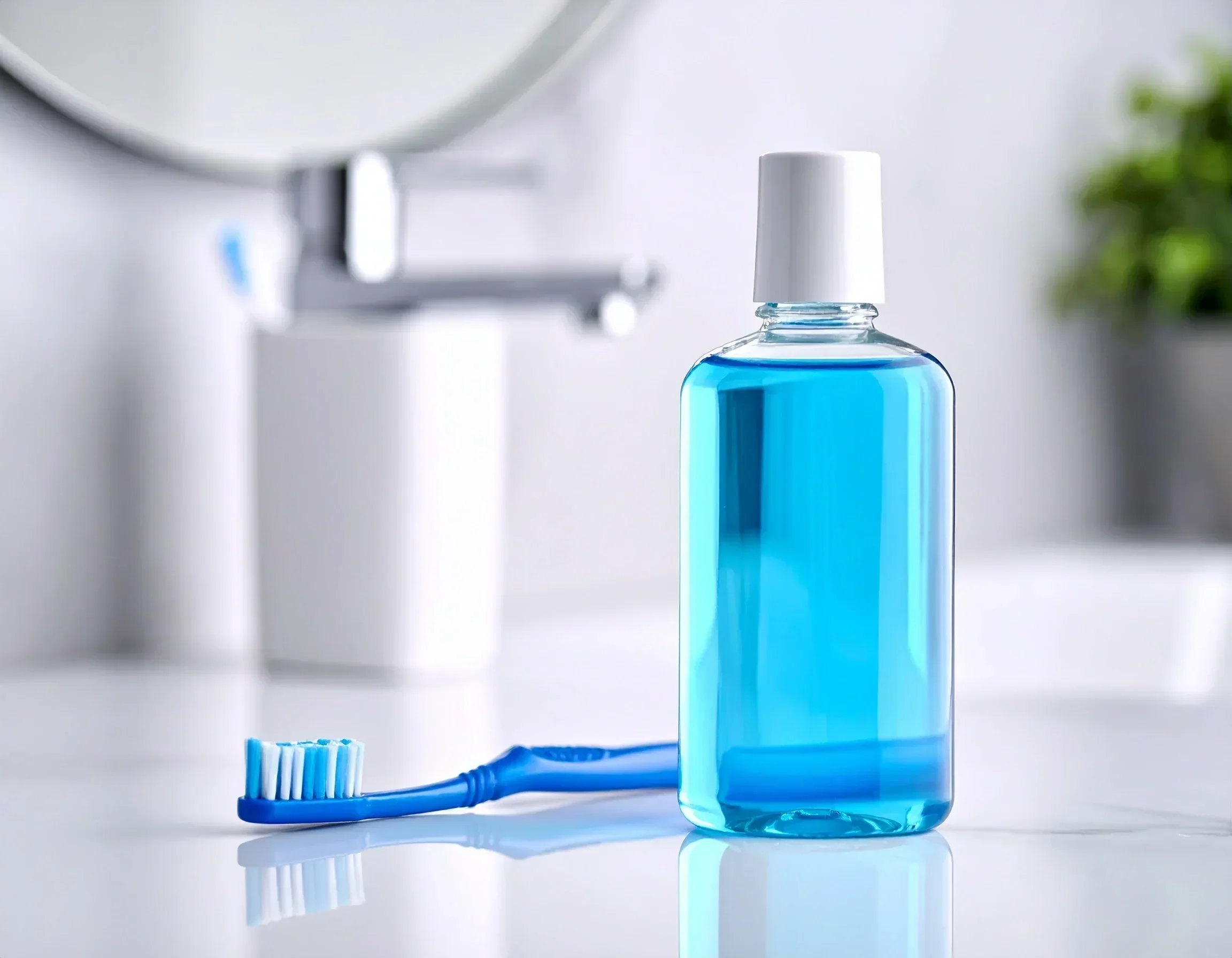
The debate surrounding mouthwash often raises the question of whether it is critical for maintaining oral health or merely serves a cosmetic purpose. Dental professionals suggest that the truth is nuanced.

While mouthwash can provide temporary freshness to breath and aid in plaque removal, it is not considered one of the fundamental components of oral hygiene. Many dentists view mouthwash as an additional tool in a comprehensive dental care routine, meant to enhance rather than replace brushing and flossing.

The Complexity of Oral Microbiology

The mouth is home to over 700 species of microbes, forming a complex ecosystem that is essential for immunity and protection against harmful bacteria. Disruption of this balance can lead to negative health implications. This complexity raises concerns regarding the overuse of mouthwash. Certain antibacterial rinses that contain potent antiseptics, such as chlorhexidine, are effective for specific conditions but are not intended for regular, long-term use.

A review conducted in 2025 highlighted that excessive mouthwash use could decrease microbial diversity within the oral cavity, a change associated with dry mouth, altered taste perception, and an increased risk of oral diseases over time. Dr. Diksha Taneja, a Consultant in Dentistry at Paras Health in Panchkula, emphasizes the importance of selecting the appropriate mouthwash formulation for effective oral care.

She notes, “Mouthwashes significantly depend on their ingredients. Therapeutic varieties containing antibacterial agents, like chlorhexidine or essential oils, can help reduce plaque formation, manage gingivitis, and decrease bacterial levels in the mouth. Fluoride-based rinses are beneficial in reinforcing tooth enamel and reducing cavity risks, particularly for individuals predisposed to tooth decay.”

Cosmetic vs. Therapeutic Mouthwashes

Dr. Taneja also warns that many over-the-counter mouthwashes primarily serve a cosmetic function. “They are formulated to temporarily cover bad breath, rather than to address deeper oral health issues,” she explains. Meanwhile, Dr. Debojyoti Dhar, Cofounder and Director of BugSpeaks (Leucine Rich Bio), highlights the need for balance in oral hygiene practices.

He states, “Mouthwash should be used alongside brushing and flossing. Ideally, it is best utilized once daily after brushing to maintain oral microbiota balance. Regular or prolonged use is generally discouraged, and opting for alcohol-free options is advisable.” Experts concur that the aim of effective oral care should not be complete sterilization but the maintenance of healthy microbial diversity.

The Bottom Line on Mouthwash Use

Experts posit that while mouthwash can be a helpful addition to oral hygiene, it should not stand alone as a substitute for essential practices like brushing and flossing. Unless fresh breath is a priority, it may not be necessary to incorporate mouthwash into daily routines.

Long or Short, get news the way you like. No ads. No redirections. Download Newspin and Stay Alert, The CSR Journal Mobile app, for fast, crisp, clean updates!

App Store –  https://apps.apple.com/in/app/newspin/id6746449540 

Google Play Store – https://play.google.com/store/apps/details?id=com.inventifweb.newspin&pcampaignid=web_share

Latest News

Popular Videos
