


Iran Permits Two Additional LPG Tankers from India to Transit Strait of Hormuz
The CSR Journal Magazine

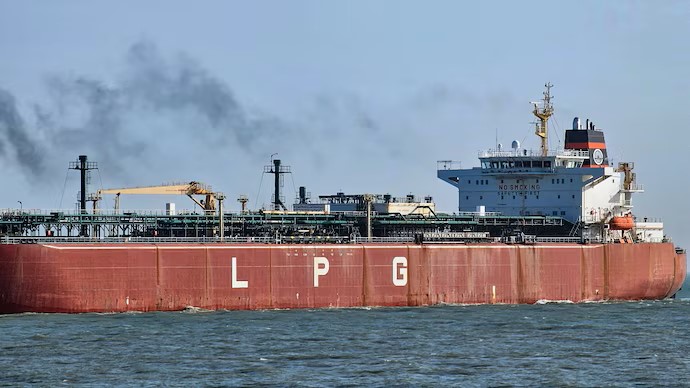
On Saturday, two liquefied petroleum gas (LPG) tankers en route to India successfully passed through the strategically significant Strait of Hormuz. This development follows an announcement from Iran which indicated that India, along with four other ‘friendly nations,’ would be granted permission to navigate their vessels through the critically important maritime corridor. The Strait of Hormuz has faced increased restrictions since the onset of conflict in the region.

Details of the Vessels

The two tankers, identified as BW ELM and BW TYR, were tracked navigating through the high-risk waterway, which has been largely inaccessible to foreign shipping since the escalation of hostilities. Shipping data confirmed the progress of these vessels as they headed towards the Gulf of Oman after transiting the strait.

Background on Maritime Access

The Strait of Hormuz serves as a vital shipping lane for a significant volume of global oil and gas supplies. Iran’s recent decision to allow vessels from specific countries access to this passage comes amid heightened tensions and has raised concerns about the safety and security of maritime operations in the region. The strategic importance of this waterway cannot be overstated, as it facilitates transit for a significant percentage of the world’s energy resources.

Implications for Trade

The ability of Indian vessels to cross through the Strait of Hormuz may have positive implications for trade and energy supplies between Iran and India. This development is particularly noteworthy given the geopolitical complexities surrounding maritime traffic in the region. Allowing tankers from ‘friendly nations’ signals a potential easing of restrictions that have previously curtailed commercial shipping activities in these waters.

Continued Monitoring of Shipping Patterns

Shipping analysts and experts are expected to closely monitor the situation as it evolves. The passage of these two LPG tankers might indicate a shift in Iran’s approach to international shipping amidst ongoing regional conflict. As shipping lanes become increasingly critical in the context of global energy security, the situation in the Strait of Hormuz remains a focal point for stakeholders in the energy sector.

Future Developments

While this latest development is significant, industry officials remain vigilant about potential challenges that might arise in the future. Factors such as international relations, shipping regulations, and security incidents can all influence the safe and effective operation of maritime routes in this contested area. The continuation of trade through the Strait of Hormuz will likely depend on a variety of geopolitical and economic factors.

Long or Short, get news the way you like. No ads. No redirections. Download Newspin and Stay Alert, The CSR Journal Mobile app, for fast, crisp, clean updates!

App Store –  https://apps.apple.com/in/app/newspin/id6746449540 

Google Play Store – https://play.google.com/store/apps/details?id=com.inventifweb.newspin&pcampaignid=web_share

Latest News

Popular Videos
