


Iran Missile Barrage Strains US Interceptor Stocks, Raising Military Readiness Concerns
The CSR Journal Magazine

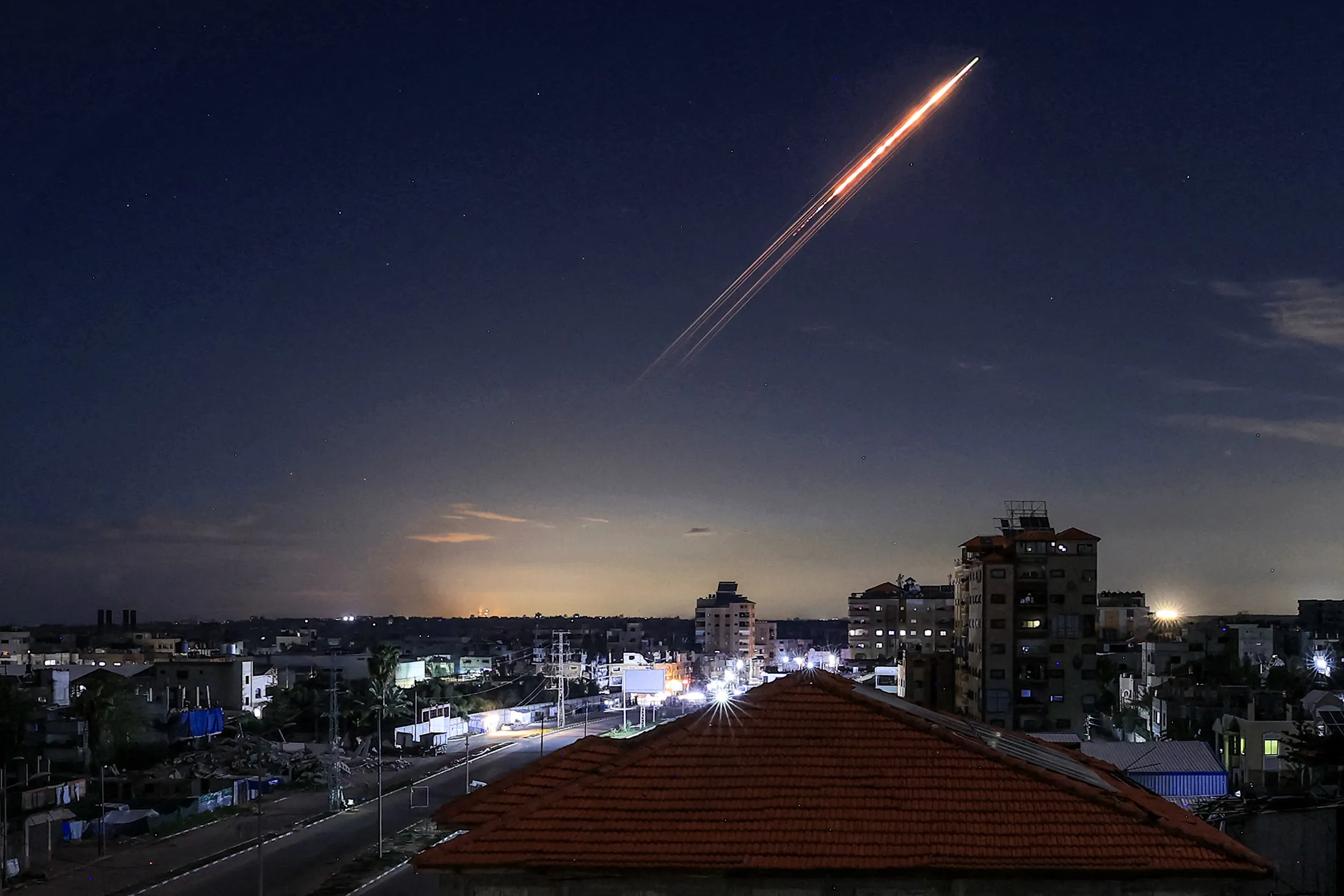
Iran has reportedly launched close to 1,200 ballistic missiles and approximately 4,000 Shahed cruise missiles targeting Gulf nations since hostilities commenced, as per official communications from those countries. These figures, however, are not exhaustive and provide a partial view of the situation. The defense strategy for intercepting ballistic missiles necessitates that each target is engaged at least twice due to the shoot-shoot-look doctrine, which requires operators to launch two missiles and then assess the effectiveness of the interception. Consequently, this indicates that a minimum of 2,400 interceptors would have been deployed throughout the ongoing conflict to address incoming threats, with additional interceptors likely used depending on the circumstances.

Patriot Missile Systems and Their Availability

Most interceptors employed in defense operations have been Patriot PAC-3 and GEM-T missiles. Prior to the outbreak of conflict, Gulf states had an inventory of less than 2,800 of these missiles based on assessments by three defense experts and an informed source. The US Department of Defense has stated that it possesses sufficient munitions to fulfill operational mandates. While Foreign Military Sales (FMS) records indicate the total requested or authorized missiles, the actual quantities delivered may be lower. Production capacity for these interceptors is noteworthy; Lockheed Martin Corp. currently manufactures around 650 PAC-3 interceptors annually and entered into an agreement in January to increase output to 2,000 units annually by the year 2030. The company also constructs 96 THAAD interceptors each year, with a separate arrangement in place to boost production to 400.

US Military Deployments and Munition Costs

The United States military has reportedly launched hundreds of Tomahawk missiles, each valued at $2 million, in addition to over 1,000 JASSMs, which cost approximately $1.5 million each. The deployment of these higher-cost munitions is largely driven by the ongoing risks involved in operations close to Iranian airspace, prompting a preference for cruise missiles over alternatives like the Joint Direct Attack Munitions (JDAM). Prior to the onset of conflict, the US possessed around 4,000 Tomahawk missiles in its arsenals, while RTX Corp. has an annual production of approximately 100 units. Moreover, Lockheed Martin can produce a maximum of about 860 JASSMs in the current year, based on government production data.

Strategic Implications of Ammunition Drain

The depletion of high-end munitions has raised concerns among US allies globally. The strain on weapon systems and ammunition arises from the need to support military actions against Iran. The Pentagon is reportedly assessing the possibility of redirecting arms intended for Ukraine towards the Gulf region, a move that includes missile interceptors. Defense officials in Germany and France, leading military powers in Europe, have observed indications of stress regarding the availability of specific arms. According to Thomas Erndl, who serves as the defense policy spokesperson for German Chancellor Friedrich Merz, extended US military involvement in the Iran conflict could significantly affect the readiness of US military resources.

Long or Short, get news the way you like. No ads. No redirections. Download Newspin and Stay Alert, The CSR Journal Mobile app, for fast, crisp, clean updates!

App Store –  https://apps.apple.com/in/app/newspin/id6746449540 

Google Play Store – https://play.google.com/store/apps/details?id=com.inventifweb.newspin&pcampaignid=web_share

Latest News

Popular Videos
