


app-store-logo
play-store-logo
March 13, 2026

Iran Confirms Strait of Hormuz Remains Open Amid Ongoing Regional Conflict
The CSR Journal Magazine

Dr. Abdul Majid Hakeem Ilahi, the Representative of Iran’s Supreme Leader in India, has clarified that the Strait of Hormuz has not been closed, stating that navigation continues despite current tensions in West Asia. He emphasized that while some ships are still transiting the waterway, the prevailing situation has hindered larger maritime movement. Dr. Ilahi remarked that Iran has never sought to block the Strait and reiterated its importance for international shipping.

Call for International Intervention

In his comments, Dr. Ilahi urged global leaders to pressure United States President Joe Biden to halt hostilities that began on February 28. He highlighted the escalating humanitarian crisis resulting from increased oil prices due to the conflict. According to Dr. Ilahi, the nations responsible for initiating the conflict should be held accountable for its consequences, particularly the hardships faced by ordinary citizens worldwide.

Escalation of Conflict in West Asia

The ongoing conflict, which has entered its 13th day, is characterized by hostilities primarily between Israel and the United States on one side and Iran on the other. This escalation was significantly influenced by the assassination of Iran’s Supreme Leader, Ayatollah Ali Khamenei, which intensified retaliatory actions against US and Israeli interests in the region. The resulting turbulence has impacted the waterway’s safety, raising concerns about global energy stability.

Military Warnings from Iran

Iran’s military establishment, Khatam al-Anbiya, has issued stern warnings regarding potential attacks on its energy infrastructure. They stated that any aggression against Iranian energy assets would lead to a severe and impactful response, threatening to disrupt oil and gas installations that are crucial to Western nations’ interests in the region.

Statements from Iran’s New Leadership

Mojtaba Khamenei, Iran’s recently appointed Supreme Leader, has indicated that the option to restrict passage through the Strait of Hormuz is a strategic measure to be utilized as necessary. In a public broadcast, he called for an ongoing commitment to national defense and suggested that tactical responses to perceived threats would remain an option if the state of hostilities persisted.

Iran’s Commitment to Navigational Rights

In light of the increasing tensions, Iran’s Ambassador to the United Nations, Amir Saeid Iravani, reaffirmed Iran’s stance on maintaining the security and peace of the Strait of Hormuz. He emphasized that the country respects international laws governing navigation and clarified that current conditions in the region do not stem from Iranian actions. He also maintained that Iran’s right to self-defense is recognized under international law, advocating for freedom of navigation in these critical waters.

Implications for Global Oil Supply

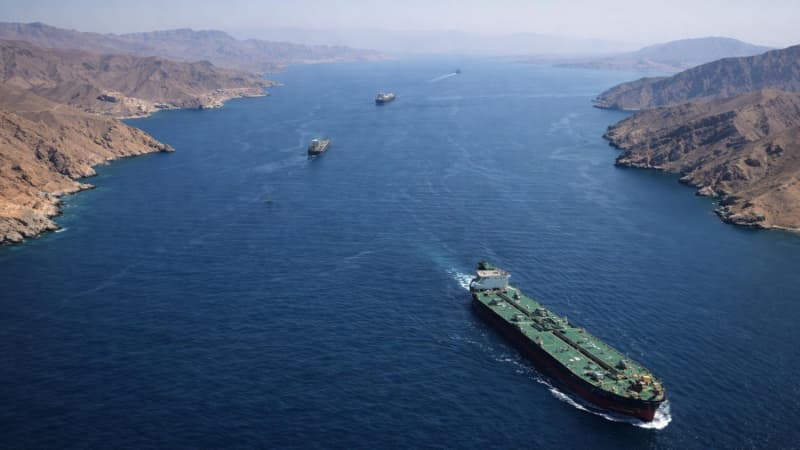
The Strait of Hormuz is a vital corridor for international oil shipments, with a significant portion of India’s crude oil imports traversing this channel. The ongoing conflict poses risks not only to regional stability but also to global energy supplies, raising apprehensions among major importing nations reliant on this crucial maritime route.

Long or Short, get news the way you like. No ads. No redirections. Download Newspin and Stay Alert, The CSR Journal Mobile app, for fast, crisp, clean updates!

App Store –  https://apps.apple.com/in/app/newspin/id6746449540 

Google Play Store – https://play.google.com/store/apps/details?id=com.inventifweb.newspin&pcampaignid=web_share

Latest News

Popular Videos
