


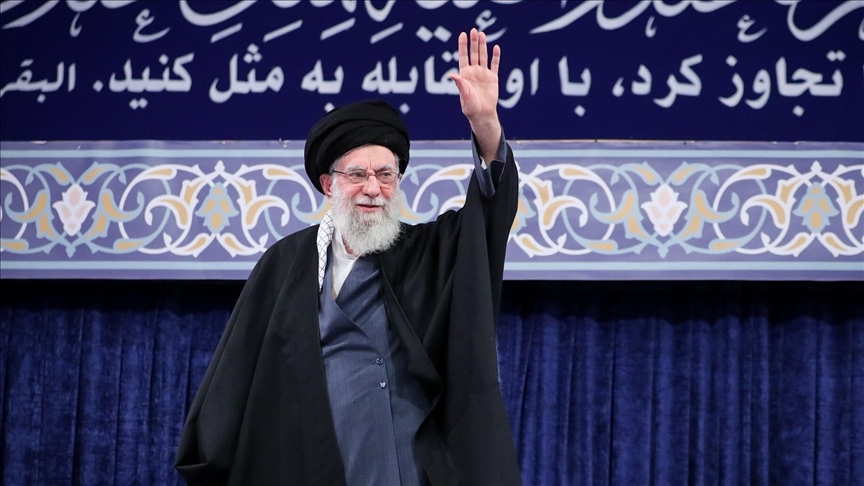

Iran’s state media has officially confirmed that Supreme Leader Ayatollah Ali Khamenei has died after joint airstrikes by the United States and Israel, marking a historic and unprecedented event in the nation’s modern history.
Iran announced a 40-day period of national mourning following the leader’s death.
Massive Airstrikes Target Leadership and Military Sites
The United States and Israel launched a major coordinated military operation, described by U.S. and Israeli officials as one of the most ambitious attacks on Iranian territory in decades.
Iran’s state media reported that Khamenei was killed at or near his office during the strikes.
Who Was Ali Khamenei?
Ayatollah Ali Khamenei, aged 86, had served as Iran’s Supreme Leader since 1989, overseeing political, military, and strategic decisions for more than three decades.
His passing removes the highest authority in Iran’s theocratic system, raising questions about the future of the country’s governance and regional role.
Reactions and Regional Impact
United States: President Donald Trump publicly confirmed Khamenei’s death and described the strikes as part of joint U.S.–Israeli military actions.
Israel: Israeli leaders supported the joint strikes and described them as targeting Iran’s strategic capabilities.
Regional Stability: Experts warn that Khamenei’s death could intensify tensions across the Middle East, with repercussions for diplomacy, military alliances, and security.
Uncertainty and Verification
Although Iranian state media confirmed the leader’s death, some earlier reports had contained conflicting statements before the official confirmation.
40 Days of Mourning Declared
Iran’s government declared 40 days of mourning for the late leader, emphasizing the historic weight of the event for the Islamic Republic.
What Happens Next?
-
With no clear successor immediately announced, analysts are focused on:
-
Iran’s succession process under the country’s constitution
-
Potential retaliation or escalation in the region