


app-store-logo
play-store-logo
March 13, 2026

Ira Bhaskar Critiques Dhurandhar for Its Depiction of Muslims and Ideological Messaging
The CSR Journal Magazine

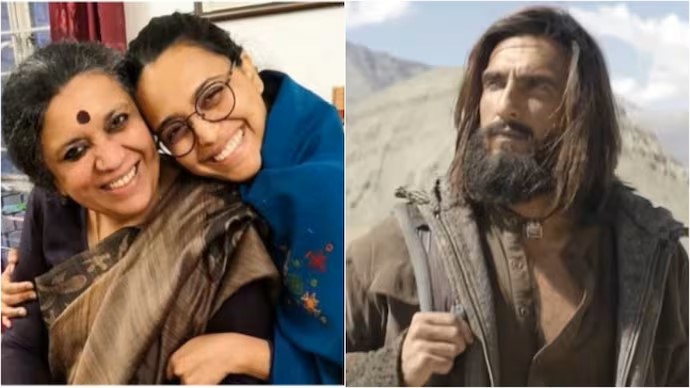
Ira Bhaskar, a former assistant professor of Cinema Studies at Jawaharlal Nehru University and the mother of Bollywood actress Swara Bhaskar, recently addressed issues related to the portrayal of marginalized communities in Indian films. Her comments came during a discussion about Aditya Dhar’s film Dhurandhar, where she focused on the representation of Dalits and Muslims in contemporary cinema. The conversation, hosted by activist and writer Harsh Mander on his YouTube channel, featured insights from Harish Wankhede, an Assistant Professor in the Centre for Political Science at JNU.

Concerns Over Ideological Messaging

During the dialogue, Ira Bhaskar expressed her concerns regarding the ideological implications present in Dhurandhar. She commented on films that have faced censorship in recent years, mentioning notable titles such as Punjab 95 and Phule, which encountered challenges related to certification and public screening. Bhaskar pointed out that despite the film’s box office success, its ideological underpinnings deserve scrutiny. She acknowledged Aditya Dhar as a capable filmmaker but noted that the film reflects an ideology aligned with Hindutva.

Violent Stereotypes and Representation of Muslims

Bhaskar emphasized the detrimental portrayal of Muslims within the film, stating that it perpetuates harmful stereotypes. She argued that the violence depicted is not random; rather, it serves to reinforce a belief system that views Muslims as inherently violent. “The film suggests that Pakistan is a violent nation, portraying all Muslims in a negative light,” she remarked. According to her, these narratives selectively draw from real events to align with specific ideological agendas.

Selective Narratives in Cinema

Highlighting the selective nature of storytelling in Dhurandhar, Bhaskar noted that such films often omit critical details that do not fit their narrative. “It claims to be based on true events but only includes fragments that support its underlying ideology,” she stated. This selectivity raises questions about the broader implications of how Dalits and Muslims are portrayed in Indian cinema, reflecting the current political and cultural atmosphere in the country.

The Role of Cinema in Society

The panel discussion further examined the role of cinema in promoting themes of humanism, secularism, and social equality. Bhaskar and Wankhede explored whether films with these themes are still able to make an impact within today’s filmmaking landscape, which often prioritizes commercial success over social messages. They emphasized the need for films that challenge prevailing stereotypes and promote a more inclusive narrative.

Upcoming Projects Following Dhurandhar’s Success

Following the box office triumph of Dhurandhar, its sequel titled Dhurandhar: The Revenge is scheduled for release on March 19, with paid previews set to commence on March 18. The upcoming film has generated anticipation as audiences await its continuation of the story established in its predecessor.

Long or Short, get news the way you like. No ads. No redirections. Download Newspin and Stay Alert, The CSR Journal Mobile app, for fast, crisp, clean updates!

App Store –  https://apps.apple.com/in/app/newspin/id6746449540 

Google Play Store – https://play.google.com/store/apps/details?id=com.inventifweb.newspin&pcampaignid=web_share

Latest News

Popular Videos
