


Indian Pilot Captain Smit Machchhar’s Quick Action Prevented Disaster on Flydubai Flight
The CSR Journal Magazine

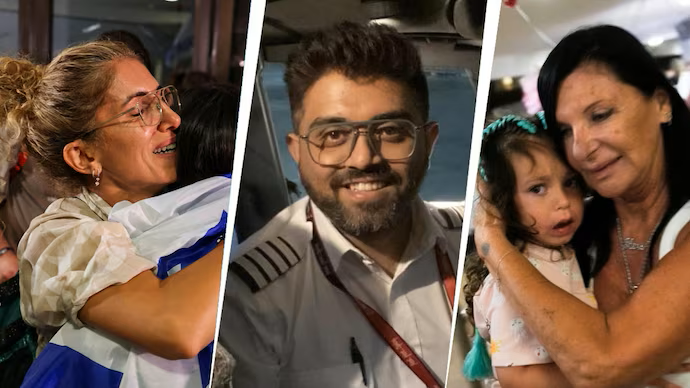
The recent incident involving Flydubai Flight FZ 1073 highlighted the bravery of Captain Smit Machchhar, who saved 174 lives during an attempted hijacking. His swift response after being attacked by his co-pilot was crucial in averting a major catastrophe. The flight, which was en route to Tel Aviv from Saudi Arabia, faced chaos only two hours into the journey when the cockpit was breached.

According to reports, Captain Machchhar sustained multiple stab wounds while allegedly battling his co-pilot, an Omani national. The attacker seemingly wished to seize control of the aircraft and cause it to crash. In the midst of this turmoil, the captain managed to send emergency distress signals, including code 7700, signalling a general emergency, followed swiftly by code 7500, indicating potential hijacking.

Heroic Actions Within the Cockpit

While grappling with his injuries, Captain Machchhar demonstrated remarkable resolve. Covered in blood and reportedly lying on the cockpit floor, he managed to open the cockpit door just in time as passengers rallied to respond to the emergency. This singular decision enabled individuals on board to rush in and subdue the co-pilot, preventing any further jeopardy to the aircraft and its passengers.

Israeli officials stated that thanks to the timely release of the cockpit door, passengers were able to confront the risky situation. Among the brave individuals who rushed forward was Dr Shota Musaev, a dentist, who played a pivotal role in assisting the injured captain. Dr Musaev later recounted that Machchhar was in a critical state, with severe wounds that had led to significant blood loss.

Following this intervention, two off-duty Flydubai pilots onboard successfully took control of the aircraft and executed an emergency landing in Tabuk, Saudi Arabia. Captain Machchhar was subsequently taken to a local hospital, where he has since stabilised.

The Importance of Cockpit Security Measures

The design of cockpit doors serves as a key security element in commercial aviation. Since the 9/11 attacks, these doors have been reinforced to resist unauthorised access. They cannot be opened from the passenger area and are intended to thwart any attempts at hijacking from within the cabin.

Each cockpit is equipped with a mechanism that allows flight crew to electronically unlock the door in emergencies, thus maintaining the delicate balance of security and accessibility. Captain Machchhar’s decisive action in unlocking the door from the inside was crucial in averting what could have escalated into a catastrophic incident.

This shocking event raises critical questions for airlines regarding both security protocols and passenger safety. As this incident unfolds, it is likely to prompt a reevaluation of current measures to ensure such threats can be managed effectively, especially when they originate from within the cockpit itself. The aviation community will need to work together to enhance safety protocols and mitigate potential risks associated with internal threats.

Long or Short, get news the way you like. No ads. No redirections. Download Newspin and Stay Alert, The CSR Journal Mobile app, for fast, crisp, clean updates!

App Store –  https://apps.apple.com/in/app/newspin/id6746449540 

Google Play Store – https://play.google.com/store/apps/details?id=com.inventifweb.newspin&pcampaignid=web_share

Latest News

Popular Videos
