


app-store-logo
play-store-logo
February 12, 2026

India Withdraws from Russian-Backed Lithium Project in Mali Due to Security Concerns
The CSR Journal Magazine

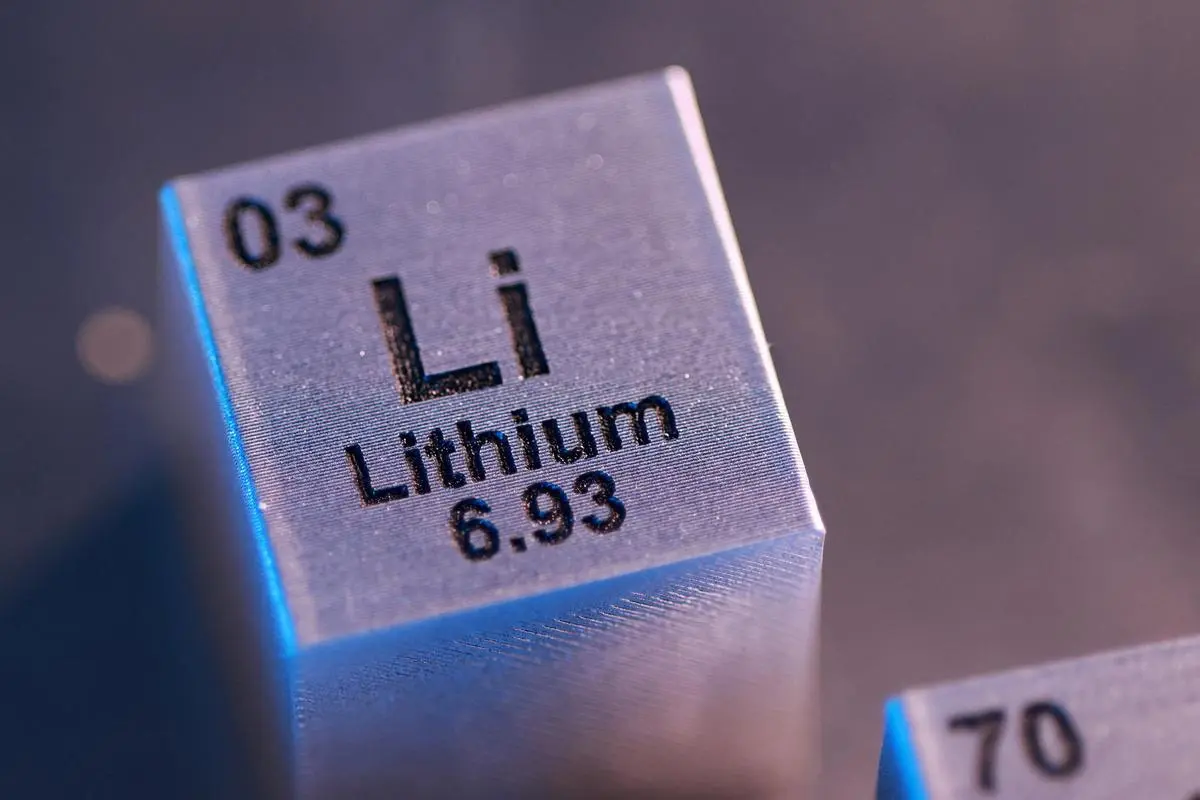
India has decided to withdraw from a lithium exploration project in Mali that is associated with Russia’s state nuclear corporation, Rosatom. This decision arises as New Delhi aims to protect its investments amidst escalating security challenges in the politically unstable West African nation. Countries including the United States, Britain, and France have advised their citizens to evacuate Mali, citing growing threats from militants affiliated with al Qaeda targeting economic resources and foreign investments.

Background of the Lithium Project

Last year, Rosatom approached India’s state-run entities Khanij Bidesh India Ltd (KABIL) and NLC India Ltd for potential lithium exploration in Mali, which has been emerging as a vital producer of this mineral, essential for electric vehicle batteries. However, the project is currently suspended, with sources indicating that financial expenditures on it are viewed as a potential loss due to the risky environment.

Confidential Discussions and Strategic Moves

The sources involved in the decision-making process opted to remain anonymous due to the confidential nature of the discussions. Neither India’s mining ministry nor the companies KABIL and NLC India provided comments when approached for clarification. Rosatom also chose to refrain from making any statements on the matter.

Broader Context of Russian Influence in Africa

Russia has been actively enhancing its relationships with several African nations through various means, including military partnerships. This strategy has notably bolstered its ties with both Mali and Burkina Faso. Concurrently, India is focused on securing a stable supply of lithium in anticipation of a significant surge in demand for the mineral, which is pivotal for reducing carbon emissions from its industrial output.

India’s Goals for Electric Vehicle Adoption

The Indian government has set a goal to achieve a 30% penetration rate of electric cars and 80% for two-wheelers by 2030, a significant increase from the current levels of 4% and 6%, respectively. In response to the rising necessity for critical minerals, India has intensified efforts to create partnerships in resource-rich nations such as Argentina, Australia, and Chile. Recently, KABIL entered into an agreement in 2024 with a state-owned company in Argentina to explore and develop five lithium blocks, although no similar agreements have been made since then.

Long or Short, get news the way you like. No ads. No redirections. Download Newspin and Stay Alert, The CSR Journal Mobile app, for fast, crisp, clean updates!

Latest News

Popular Videos
