


India Tightens Digital Security Regulations, Implements Stricter Compliance for Surveillance
The CSR Journal Magazine

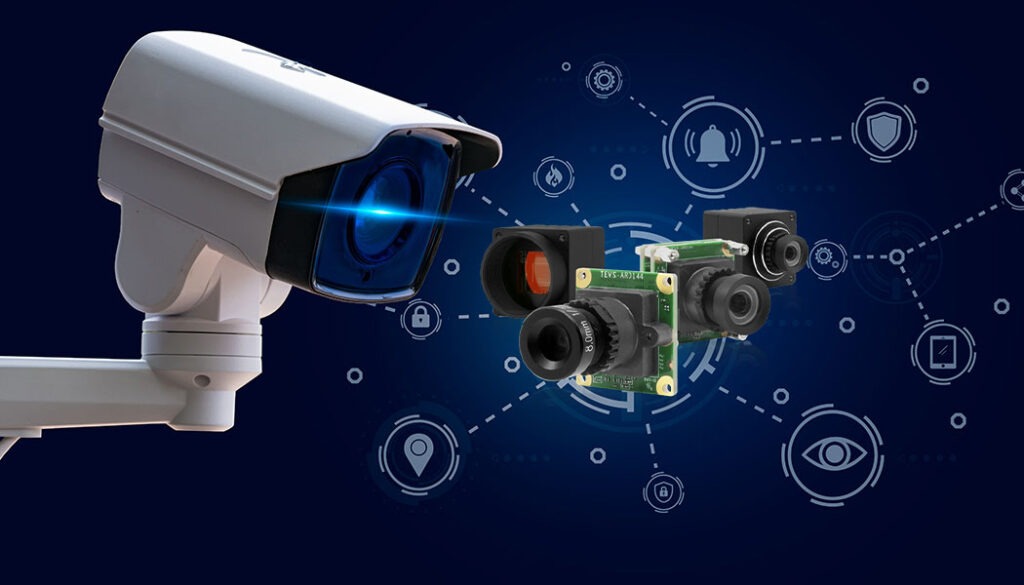
In a significant move to enhance its digital security framework, India has introduced stricter compliance measures for telecom equipment, CCTV systems, and data protection protocols. These changes come in light of increasing worries over vulnerabilities related to surveillance infrastructure and potential espionage risks, highlighted by recent investigations. The decision addresses longstanding issues regarding the reliance on imported CCTV equipment, particularly from Chinese manufacturers, within critical surveillance networks.

Concerns over security have intensified following discoveries by Indian security agencies of espionage operations connected to Pakistan that are believed to be exploiting insecure surveillance systems. These operations have raised alarms about the possibility of unauthorized access to sensitive information through compromised security technology.

Recent Global Precedents Alerting Security Experts

Global incidents have added urgency to India’s efforts to safeguard its digital networks. Security analysts have cited examples such as the Israeli targeting of Iranian officials, where the infiltration of urban surveillance systems facilitated real-time tracking of significant targets using commonplace technology like traffic cameras. Such instances serve as cautionary tales for nations attempting to secure and regulate their surveillance capabilities.

Implementation of Essential Requirements for CCTVs

In response to these heightened concerns, the Indian government has published a set of mandatory Essential Requirements (ERs) for CCTV systems intended for the domestic market. The new regulations stipulate the necessity for transparency regarding the origin of critical hardware components, including system-on-chip (SoC) technologies. Furthermore, CCTV products must undergo rigorous testing for vulnerabilities that could allow unauthorized remote access. Accredited laboratories will be responsible for certifying compliance with these new norms.

So far, authorities have certified a total of 507 CCTV models under these new guidelines. Furthermore, government departments are prohibited from acquiring any CCTV equipment that does not comply with these established standards. Ministries have been directed to enhance the security of their existing video surveillance networks to mitigate risks further.

Regulatory Framework Strengthened

At a broader legal level, India has reinforced its digital security framework through the enactment of the Telecommunication Act, 2023, and the Digital Personal Data Protection Act, 2022. These laws aim to create a more robust regulatory environment for the protection of digital infrastructures. Earlier directives, such as the National Security Directive on Trusted Sources established in 2021, mandated that telecommunications equipment be sourced exclusively from approved vendors. This policy underscores the government’s commitment to bolstering the security of interconnected digital systems across the nation.

Officials have underscored that these measures are part of a comprehensive approach to securing vital digital infrastructures in India. The move reflects a growing recognition of the complexities and challenges posed by evolving surveillance technology and the associated risks to national security.

Long or Short, get news the way you like. No ads. No redirections. Download Newspin and Stay Alert, The CSR Journal Mobile app, for fast, crisp, clean updates!

App Store –  https://apps.apple.com/in/app/newspin/id6746449540 

Google Play Store – https://play.google.com/store/apps/details?id=com.inventifweb.newspin&pcampaignid=web_share

Latest News

Popular Videos
