
Some journeys don’t ask you to be adventurous or brave. They ask you to slow down, listen, and feel. In India, healing rarely comes packaged as a retreat or a promise. It happens quietly—while sitting on a riverbank, waiting for a bus in the mountains, or watching light fall on ancient stones. These are places that don’t fix you. They simply meet you where you are.
This is India’s softest therapy.
Rishikesh: Where Your Breath Finds Its Way Back
Rishikesh works gently. You don’t arrive transformed—you arrive tired. Tired of noise, deadlines, and carrying thoughts that never seem to end. Then you sit by the Ganga. The river doesn’t rush you. It moves steadily, confidently, as if it knows something you’ve forgotten.
Mornings begin with bare feet on cool stone and the echo of temple bells. Yoga here isn’t about flexibility; it’s about learning how to pause. Somewhere between a deep breath and the sound of flowing water, your thoughts finally slow down. Not gone—just quieter. And for the first time in a while, that feels like relief.

Spiti: Where Silence Talks to You
Spiti doesn’t comfort you immediately. It strips things away. The landscape is vast and unforgiving, and the silence can feel unsettling at first. There’s no constant signal, no distraction, nowhere to hide from yourself.
But then something shifts. You start noticing small things—the colour of the sky, the way a monastery clings to a cliff, the sound of your own footsteps. In Spiti, silence becomes company. It teaches you that life doesn’t need to be loud to be meaningful. You leave with fewer answers, but clearer priorities.
Alleppey: Where Life Stops Rushing You
Alleppey feels like an apology for all the times you rushed through life. On the backwaters, days stretch and soften. The houseboat moves slowly, as if it refuses to be hurried. Villages pass by in quiet scenes—someone washing clothes, someone smiling at nothing in particular.
Here, no one asks you what you do for a living. Time isn’t tracked in hours but in sunsets and reflections. Alleppey heals by reminding you that doing nothing can still feel full. You don’t return more productive—you return more rested.
Ziro: Where the World Wakes Up Gently
Ziro doesn’t announce itself. It whispers. Rain-soaked mornings, mist hanging low over rice fields, and a calm that feels almost protective. Life here moves with nature, not against it. People rise with the sun, work patiently, and rest without guilt.
Healing in Ziro comes through quiet observation. You start listening again—to birds, to rain, to yourself. It teaches you that peace doesn’t need luxury or isolation. Sometimes, it just needs space to breathe.
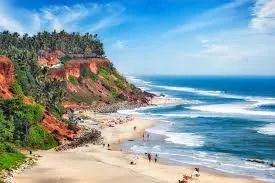
Varanasi: Where Life and Death Sit Side by Side
Varanasi doesn’t sugarcoat anything. It is crowded, intense, emotional, and deeply alive. At first, it overwhelms you. But then you see it—life and death sharing the same steps, the same river, the same prayers.
Watching the Ganga at dawn or the evening aarti, something settles inside you. Varanasi heals by showing you the whole picture. That endings are natural. That chaos and faith can coexist. And that life, even when messy, is enough.
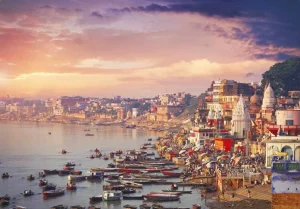
Hampi: Where Time Puts Its Hand on Your Shoulder
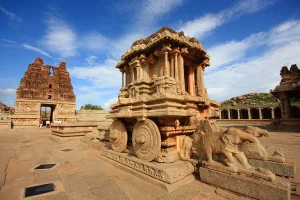
In Hampi, history doesn’t sit behind glass. It lies in ruins under open skies. You walk past temples and boulders older than memory, and suddenly your problems feel smaller—not insignificant, just manageable.
Hampi teaches patience. It reminds you that everything passes, and yet something always remains. Healing here comes from perspective. You don’t feel rushed to move on—you feel encouraged to endure.