


app-store-logo
play-store-logo
February 18, 2026

India Readies for Upcoming Lunar Eclipse Following Solar Eclipse Disappointment
The CSR Journal Magazine

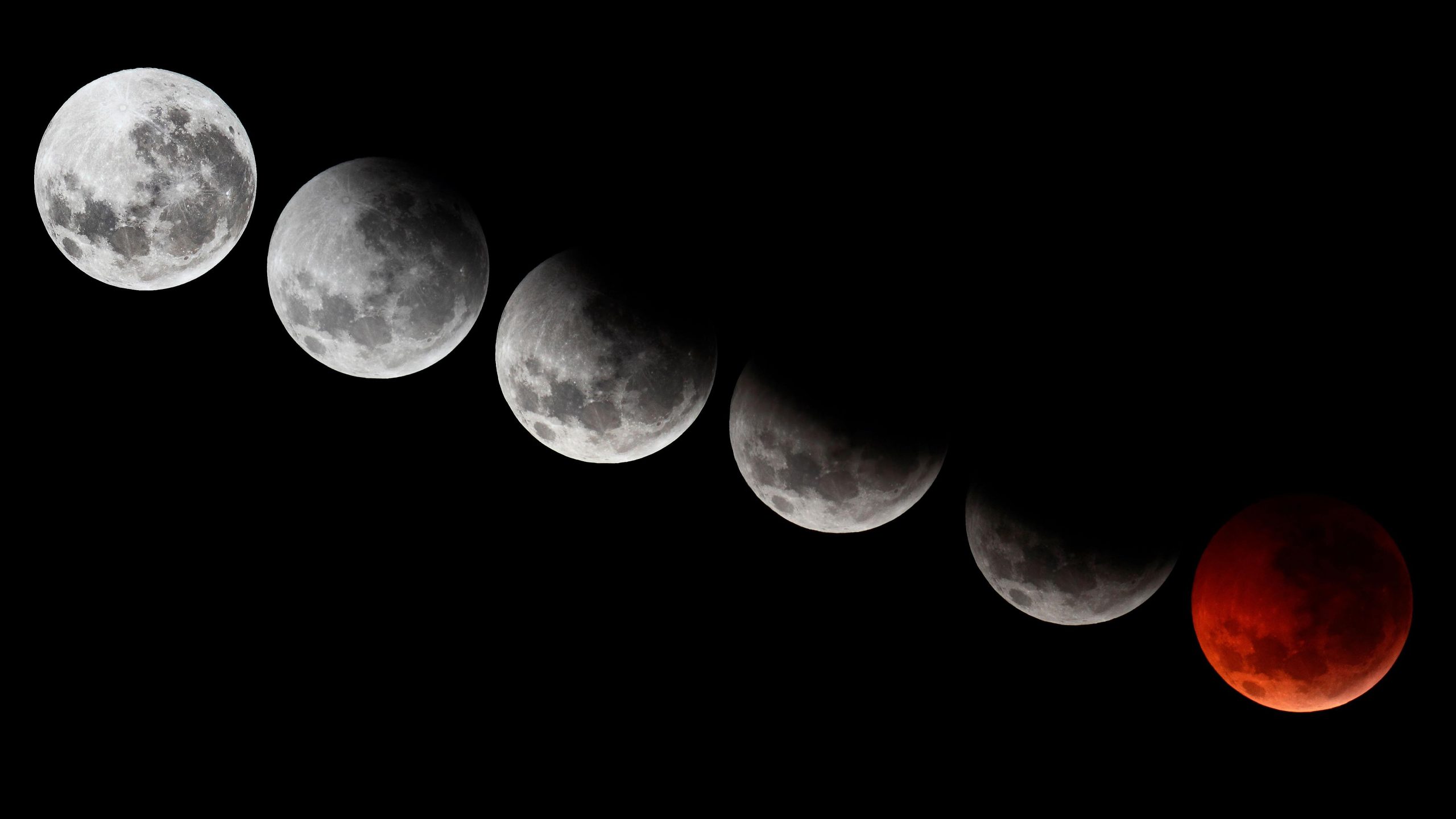
The cosmos is poised for an impressive event as India prepares to experience a total lunar eclipse on March 3. After missing the much-anticipated Ring of Fire solar eclipse on February 17, astronomy enthusiasts have a celestial event to look forward to. A lunar eclipse occurs when the Earth moves directly between the Sun and the Moon, resulting in the Earth’s shadow being cast on the lunar surface. Unlike solar eclipses, which are confined to a specific geographic area, lunar eclipses can be observed from any location on the night side of the Earth, making them accessible to a wider audience.

Timings for the Lunar Eclipse in India

On March 3, the visible lunar eclipse phase for regions like New Delhi and Noida will commence at 6:22 PM IST. During this time, observers will notice the Moon rising while already partially eclipsed. The peak of the eclipse is expected to occur at 6:27 PM IST, and it will conclude by 6:47 PM IST. This brief yet captivating glimpse of the lunar eclipse offers a perfect opportunity for skywatchers across India to witness this celestial phenomenon.

Reasons for Missing the Solar Eclipse

India’s absence from the recent solar eclipse was primarily due to the specific orbital position of the Moon. During the Ring of Fire solar event, the Moon was at its furthest point from Earth, known as apogee, which caused it to appear too small to completely cover the Sun. This resulted in a very narrow path through which the eclipse was visible on Earth. Unfortunately, that trajectory did not include any part of the Indian subcontinent, leading to disappointment for many eager observers.

How Eclipses Occur

The mechanics behind an eclipse are a fascinating aspect of astronomy. A solar eclipse takes place when the Moon aligns between the Sun and Earth, while a lunar eclipse happens when the Earth aligns between the Sun and the Moon. For the upcoming total lunar eclipse on March 3, the Earth will cast its extensive shadow, known as the umbra, over the Moon. Unlike the smaller shadow cast by the Moon during a solar eclipse, the Earth’s shadow is broad enough to be seen from almost half the globe simultaneously, explaining why lunar eclipses are far easier to witness from any single location compared to their solar counterparts.

What to Expect: The Blood Moon Phenomenon

During the lunar eclipse, when the Moon passes through the Earth’s darkest shadow, it will not simply vanish. Instead, it is likely to take on a deep, reddish hue due to a phenomenon known as Rayleigh scattering. This transformation gives rise to the term “Blood Moon,” as the Moon appears to glow in a rusty color. The Earth’s atmosphere plays a vital role in this process, filtering sunlight and allowing only longer red wavelengths to reflect off the Moon. Observers in India may enjoy this spectacular view, contingent on clear skies during the eclipse event.

Long or Short, get news the way you like. No ads. No redirections. Download Newspin and Stay Alert, The CSR Journal Mobile app, for fast, crisp, clean updates!

Latest News

Popular Videos
