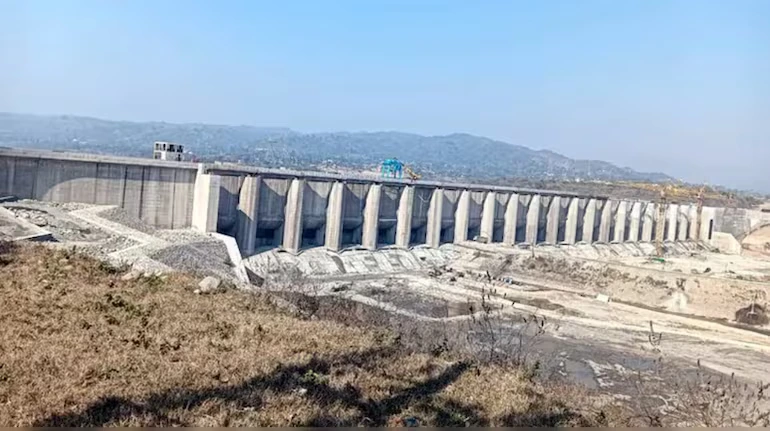
India is gearing up to prevent surplus water from the Ravi River from flowing into Pakistan with the expected operationalization of the Shahpur Kandi dam, situated on the border between Punjab and Jammu & Kashmir. The dam is projected to be completed by March 31, marking a significant development in the management of eastern river waters from the Indus basin.
Impact on Local Agriculture
Authorities have indicated that the dam will bring crucial irrigation benefits, impacting approximately 5,000 hectares in Punjab and over 32,173 hectares in the drought-prone districts of Kathua and Samba in Jammu & Kashmir. A central financial assistance package of Rs 485.38 crore has been approved specifically for the irrigation elements of this project.
Significance Under the Indus Waters Treaty
According to former irrigation minister Taj Mohideen, the Shahpur Kandi dam is not governed by the Indus Waters Treaty, which bestows India with exclusive rights over the Ravi River. Jammu & Kashmir Minister Javed Ahmed Rana noted that the suspension of certain treaty provisions has expedited various power and dam initiatives in the region.
Context of Water Sharing Disputes
The 1960 Indus Waters Treaty allocates the eastern rivers—Sutlej, Beas, and Ravi—to India, while granting Pakistan rights over the western rivers—Indus, Jhelum, and Chenab. Following a terrorist attack in Pahalgam in April 2025 that resulted in the deaths of 26 individuals, India took the unprecedented step of putting parts of the treaty on hold. This strategic policy change was aimed at curtailing cross-border terrorism and ceased data sharing with Pakistan, allowing for increased utilization of water resources from the western rivers.
Reduction of Water Wastage
Despite significant demand for water in Punjab and Jammu & Kashmir, portions of the Ravi River have been flowing unused into Pakistan, according to Minister Rana. He emphasized that the Shahpur Kandi dam would serve to minimize this wastage, facilitating better resource allocation for domestic irrigation projects.
Long Journey to Completion
Initially approved in November 2001, the project faced numerous delays due to inter-state disputes. However, after a series of bilateral discussions and meetings at the central government level, an agreement was reached in September 2018 between Punjab and Jammu & Kashmir. Subsequently, the Union Cabinet, under the leadership of Prime Minister Narendra Modi, sanctioned the project’s implementation on December 6 of that year.
Local Community Response
Bani MLA Dr. Rameshwar Singh expressed gratitude on behalf of the residents who have awaited the dam’s completion for an extended period. He remarked that once the project is operational, water resources that previously flowed toward Pakistan will instead be redirected to enhance irrigation capabilities in the expansive agricultural lands of Kathua and surrounding areas.