


India Gets Support from For Euro Nations for Permanent UN Security Council Seat
The CSR Journal Magazine

India’s pursuit for permanent representation at the United Nations Security Council has gained notable backing from four Central European nations: Hungary, Poland, Slovakia, and the Czech Republic. This support was officially articulated during the inaugural V4-India meeting, which took place on the sidelines of the 81st United Nations General Assembly in New York.

Slovak Foreign Minister Juraj Blanar highlighted the consensus among the Visegrad Group countries, affirming India’s role as a significant player in the Global South and the Indo-Pacific region.

Behind India’s Bid for Permanent Membership

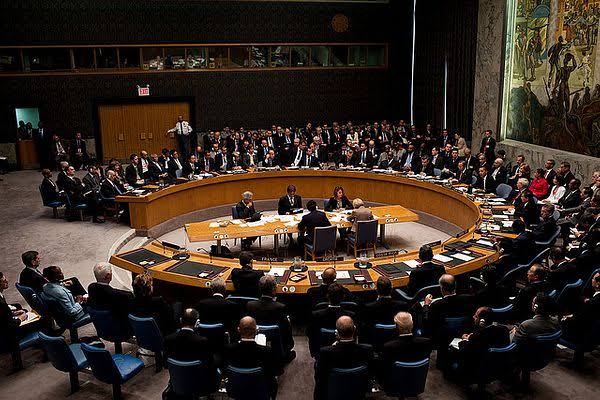
The rationale for India’s ongoing campaign for a permanent seat at the Security Council is grounded in historical and contemporary realities. The structure of the Security Council, established in 1945, does not adequately reflect the geopolitical changes that have occurred since its inception, particularly as many countries in Asia and Africa were under colonial rule at that time.

India’s significant population, robust economy, and contributions to UN peacekeeping, alongside its increasing diplomatic clout, form the foundation of its argument for inclusion. India has previously served as an elected member of the Security Council on eight occasions, with its most recent terms being in 2021 and 2022.

The country actively engages in pivotal discussions regarding counterterrorism, maritime security, and development, advocating for reforms that enhance the UN’s credibility and effectiveness when responding to global conflicts. India’s position paper for the current General Assembly argues that the UN’s challenges underscore the need for a restructured Security Council that better aligns with contemporary global dynamics.

The demand for reform extends beyond India’s inclusion; it calls for a revision of the operational framework of the Security Council itself. An effective reform process hinges on broad support, particularly from the existing permanent members, to ensure that it adequately addresses the needs of the current international landscape.

Challenges to Security Council Reform

India’s push for permanent membership is bolstered by support from several permanent UN Security Council members, notably France, the United Kingdom, and the United States, while Russia has also expressed backing. India is part of the G4 coalition, which includes Brazil, Germany, and Japan, that collectively advocates for expanded representation within the Security Council.

This coalition proposes a new model that would increase the number of Council members from the current 15 to between 25 and 26, introducing six new permanent seats across various regions. Despite this support, a clear consensus among the five existing permanent members—namely the US, UK, France, Russia, and China—remains elusive.

Differing views on the number of new members, regional representation, and the issue of veto power complicate the reform process. China, in particular, has taken a cautious stance, expressing understanding of India’s aspirations while posing demands for wider consensus that hinder India’s bid.

One of the primary contentious issues revolves around the future of the veto power currently held by the permanent members. Proposals by the African Union and India suggest that new permanent members should hold equal rights, including veto privileges, yet this aspect remains a significant hurdle in negotiations.

Diplomatic Engagement with the V4 Nations

The recent V4 meeting symbolizes a significant step in India’s diplomatic outreach to Central Europe. External Affairs Minister S Jaishankar described the gathering as a historic event, valuing the opportunity for increased collaboration. Discussions encompassed not only the security reforms but also broader initiatives aimed at enhancing institutional relationships.

These include the establishment of an annual business forum and consistent meetings at the foreign ministerial level. In addition to economic cooperation, topics of innovation, technology, defence, and regional issues such as the Ukraine conflict also came up, indicating a multi-faceted approach to India’s engagement with the V4 nations. Jaishankar noted that these developments align with India’s deepening ties with the European Union and outline an ambitious path forward for collaborative efforts.

While the V4’s endorsement of India’s UN Security Council bid adds to its diplomatic weight, the path to reform remains intricate and dependent on extensive negotiations among various stakeholders, particularly the existing permanent members. India’s ongoing dialogue with the V4 indicates a commitment to fostering robust international partnerships while advocating for necessary changes in global governance structures.

Long or Short, get news the way you like. No ads. No redirections. Download Newspin and Stay Alert, The CSR Journal Mobile app, for fast, crisp, clean updates!

App Store –  https://apps.apple.com/in/app/newspin/id6746449540 

Google Play Store – https://play.google.com/store/apps/details?id=com.inventifweb.newspin&pcampaignid=web_share

Latest News

Popular Videos
