


India Diversifies LPG Imports to US, Africa Amid Supply Shortages and Global Tensions
The CSR Journal Magazine

In response to growing concerns over liquefied petroleum gas (LPG) availability, India is exploring alternative fuel sources. The ongoing tensions in the Middle East have begun affecting international fuel supplies, prompting government officials to actively manage the situation. Sujata Sharma, Joint Secretary in the Ministry of Petroleum and Natural Gas, highlighted the seriousness of the challenges posed by the current geopolitical climate.

With approximately 90% of the nation’s LPG imports previously routed through the Strait of Hormuz, India finds itself increasingly vulnerable to disruptions in this critical region. To mitigate these risks, the government has initiated sourcing LPG from the United States while securing liquefied natural gas (LNG) from countries such as Australia and Russia. Efforts are being directed towards stabilizing the supply of these essential fuels.

LPG Accessibility Remains a Concern for Consumers

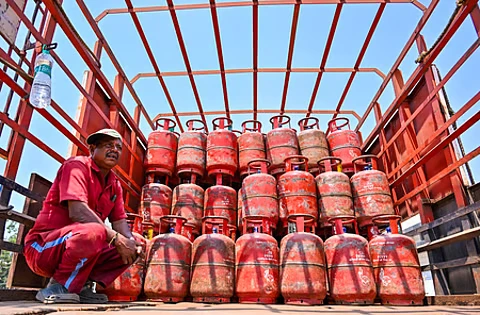
Despite the government’s attempts to diversify sources, the situation for LPG accessibility is still challenging. Sharma noted a positive development in consumer behavior, with around 93% of consumers now opting for online booking platforms to order cylinders.

Nonetheless, she acknowledged the presence of long waits and queues at several distribution points across the country. To alleviate the burden on distribution centers, she encouraged consumers to avoid physical visits after booking online, reassuring them that home deliveries will be managed efficiently to ensure timely access to LPG.

Conflict Escalates into Energy Infrastructure Targeting

The geopolitical landscape has further deteriorated, transforming a military escalation between the US-Israel alliance and Iran into direct attacks on energy production facilities. This development has raised alarms as both factions have begun targeting critical infrastructure linked to oil and gas. Recently, Israel’s attack on the South Pars gas field, which Iran shares with Qatar, underscored the transformative nature of the conflict regarding global energy supplies.

This field is recognized as the largest gas reserve in the world and is significant for India’s LNG shipments. Following this strike, there was an immediate spike in oil and gas prices, indicating the sensitivity of the situation. In retaliation, Iran has initiated strikes on key energy sites, including the Samref refinery associated with Saudi Aramco and gas facilities located in Qatar and the United Arab Emirates.

Broader Implications for Global Energy Supply Chains

The conflict has extended its reach to Kuwait, impacting essential refineries, including the Mina Al-Ahmadi facility. Although officials reported that damages were contained, the sight of significant fires raised international concerns regarding the stability of energy resources. The targeting of multiple energy hubs has radically increased risks to global supply chains, creating potential repercussions for nations that depend heavily on imports, such as India.

This evolving situation indicates not only immediate cost increases but also tighter fuel supplies in the near future. As the conflict unfolds, India continues to prioritize securing fuel from a variety of sources to maintain consistency in supply amidst the escalating global uncertainty.

Long or Short, get news the way you like. No ads. No redirections. Download Newspin and Stay Alert, The CSR Journal Mobile app, for fast, crisp, clean updates!

App Store –  https://apps.apple.com/in/app/newspin/id6746449540 

Google Play Store – https://play.google.com/store/apps/details?id=com.inventifweb.newspin&pcampaignid=web_share

Latest News

Popular Videos
