


India Allows Petrol Pumps to Sell Kerosene for Households Amid Energy Supply Concerns
The CSR Journal Magazine

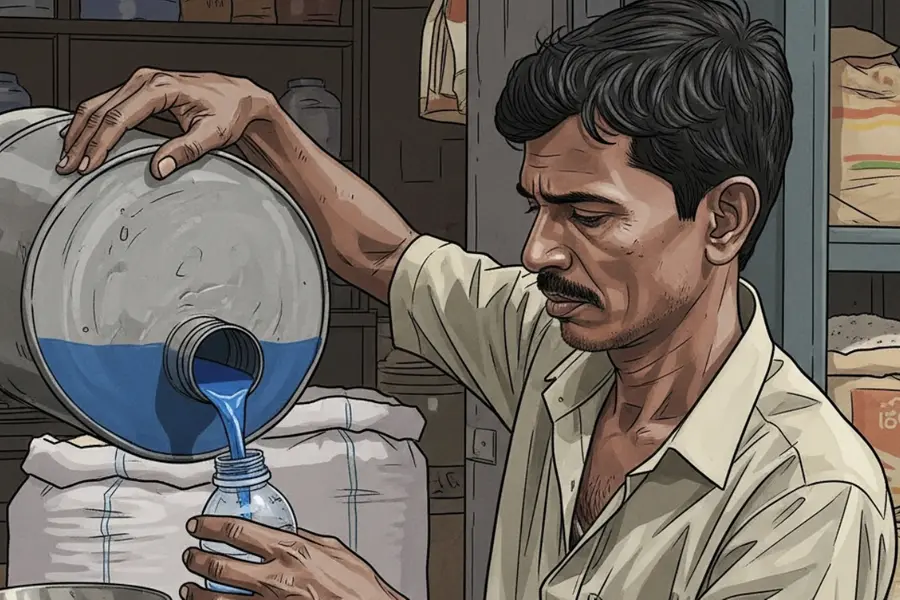
The Indian government has announced a temporary relaxation of petroleum safety and licensing regulations to promote the distribution of kerosene. This measure, detailed in a Gazette notification dated March 29, permits select petrol stations to sell kerosene. The Ministry of Petroleum and Natural Gas has authorized public sector oil marketing companies to distribute superior kerosene oil (SKO) under the Public Distribution System (PDS) across 21 states and Union Territories, including Delhi, Haryana, Uttar Pradesh, and Gujarat, which had previously phased out kerosene supply.

Regulatory Adjustments for Petrol Pumps

Under the revised guidelines, designated petrol pumps will be allowed to store and sell kerosene for household use, such as cooking and lighting. Each petrol station may hold up to 5,000 litres of kerosene, with state governments and Union Territory administrations identifying up to two service stations per district to facilitate this process. Furthermore, the notification provides exemptions from several provisions of the Petroleum Rules, 2002, thus reducing the licensing burdens for dealers and transport vehicles managing kerosene sales.

Context of the Regulatory Changes

This decision has been made in light of current global crises affecting fuel supply, with the government aiming to maintain access to essential energy sources for residents. In addition to the petrol stations, oil marketing companies are also authorized to stock kerosene at existing retail outlets, promoting quicker distribution through already established fuel networks. The safety and operational protocols issued by the Petroleum and Explosives Safety Organisation will remain in place for all designated sites. These relaxations are effective immediately and will remain valid for 60 days unless further decisions are made.

Government’s Response to Energy Supply Challenges

On March 29, Defence Minister Rajnath Singh emphasized the importance of preparedness and prompt decision-making strategies to address the ramifications of the ongoing crisis in West Asia. He chaired the first meeting of the Informal Group of Ministers (IGoM), tasked with overseeing the developing situation. This meeting involved senior ministers, including Nirmala Sitharaman, Kiren Rijiju, Hardeep Singh Puri, Manohar Lal Khattar, and J P Nadda, and featured presentations from seven Empowered Groups of Secretaries that outlined specific sector challenges and the policy measures already in place.

Focus on Energy Risks and Supply Chains

The IGoM assessed various risks pertaining to energy supply, as well as the availability of essential commodities, infrastructure resilience, and overall supply chains. Singh called for a coordinated and proactive approach to tackle these challenges as the situation continues to unfold. By allowing kerosene sales through petrol stations, the government is attempting to cushion the impact of disruptions in global energy sources and ensure that households maintain access to necessary fuel supplies.

Long or Short, get news the way you like. No ads. No redirections. Download Newspin and Stay Alert, The CSR Journal Mobile app, for fast, crisp, clean updates!

App Store –  https://apps.apple.com/in/app/newspin/id6746449540 

Google Play Store – https://play.google.com/store/apps/details?id=com.inventifweb.newspin&pcampaignid=web_share

Latest News

Popular Videos
