


app-store-logo
play-store-logo
February 13, 2026

Increasing Female Enrollment in IITs Fails to Bridge Gender Gap
The CSR Journal Magazine

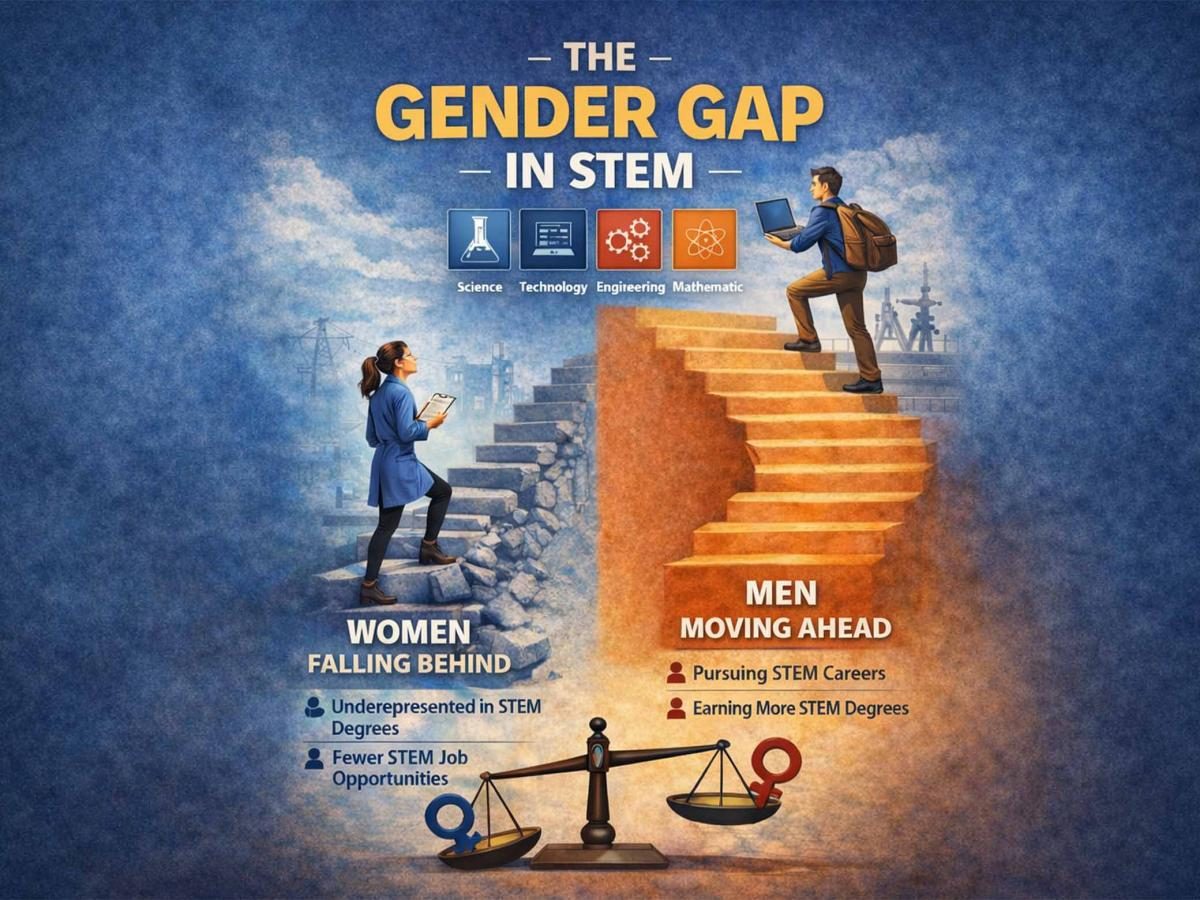
The landscape of India’s premier science and engineering institutions has witnessed a significant transformation over recent years, with a notable rise in female enrollment. The number of women enrolled in five leading Indian Institutes of Technology (IITs) has surged nearly two-fold, increasing from 1,621 in 2018 to 3,247 in 2025. This change has been spurred by the introduction of supernumerary seats and broader acceptance within families for daughters to pursue technical education away from home. However, despite these promising statistics, the overall gender gap in absolute numbers has escalated, with the difference in candidates growing from 7,007 to 9,153 across these top IITs, which include Bombay, Madras, Delhi, Kanpur, and Kharagpur. Educational experts emphasize that while initial enrollment figures are improving, issues related to participation, retention, and career development remain significant barriers.

Government Initiatives Yield Mixed Results

Recent admission reforms implemented in top engineering institutes have undeniably increased female participation in these fields. The proportion of women now attending prestigious engineering institutions has doubled in the last few years due to targeted policy measures aimed at improving gender representation. However, data from global studies indicates that mere enrollment growth does not guarantee true gender equality in these disciplines. UNESCO’s studies detail that women constitute only about 35 percent of STEM graduates globally, indicating persistent underrepresentation in engineering and technology sectors. Research related to academic careers reveals that the gender gap widens significantly at senior positions in various fields, proving that increased entry-level participation does not lead to higher career advancement. The Economic Survey for 2025-26 indicates slight improvements in female involvement in specific sectors; however, it also points to critical drop-off points at various life stages, particularly as women transition from education to employment and during child-rearing years.

Societal Norms Influence Academic Choices

Societal pressures are significant barriers affecting women’s academic pursuits long before they reach university campuses. Women from economically disadvantaged backgrounds are often interested in higher education but lack access to essential resources. Many young women cease their academic pursuits due to early marriages, family responsibilities, or societal expectations directing them toward short-term vocational training for immediate income. Even among more affluent families, girls frequently receive insufficient encouragement to explore studies in STEM fields. Further complicating matters, the geographical distance from rural areas to leading institutions raises concerns over safety and accommodation for female students. Inadequate security and hostel facilities present major hurdles for many aspiring female engineers.

Challenges in Campus Life and Support Structures

Gaining admission to an institute is merely the initial hurdle; maintaining progress in a conducive environment proves to be more challenging. Many campuses do not adequately cater to women’s needs related to safety, security, and support. Shortcomings like absence of childcare facilities and accommodation policies for women deter many from pursuing further education. Recognizing the importance of mentorship and support networks for women in STEM, Institutes have  structured mentorship programs like schemes aimed at nurturing female talent through guidance, scholarship opportunities, and fostering leadership skills.

The Exit Gap Post-Graduation

Disparities become more evident after graduation, as international data reveals women’s participation in STEM diminishes dramatically before reaching leadership roles. UNESCO findings denote a significant pipeline issue, where workplace culture, stereotypes, and networking deficiencies contribute to this decline. We should argue for early interventions within the academic system, advocating for awareness campaigns starting from primary education, mentorship programs during secondary schooling, and improved safety measures to ensure long-term retention in STEM careers. Experts reiterate the necessity for aligning access with ongoing support and career advancement frameworks to ensure women’s successful progression from education to leadership roles.

Long or Short, get news the way you like. No ads. No redirections. Download Newspin and Stay Alert, The CSR Journal Mobile app, for fast, crisp, clean updates!

Latest News

Popular Videos
