


app-store-logo
play-store-logo
March 2, 2026

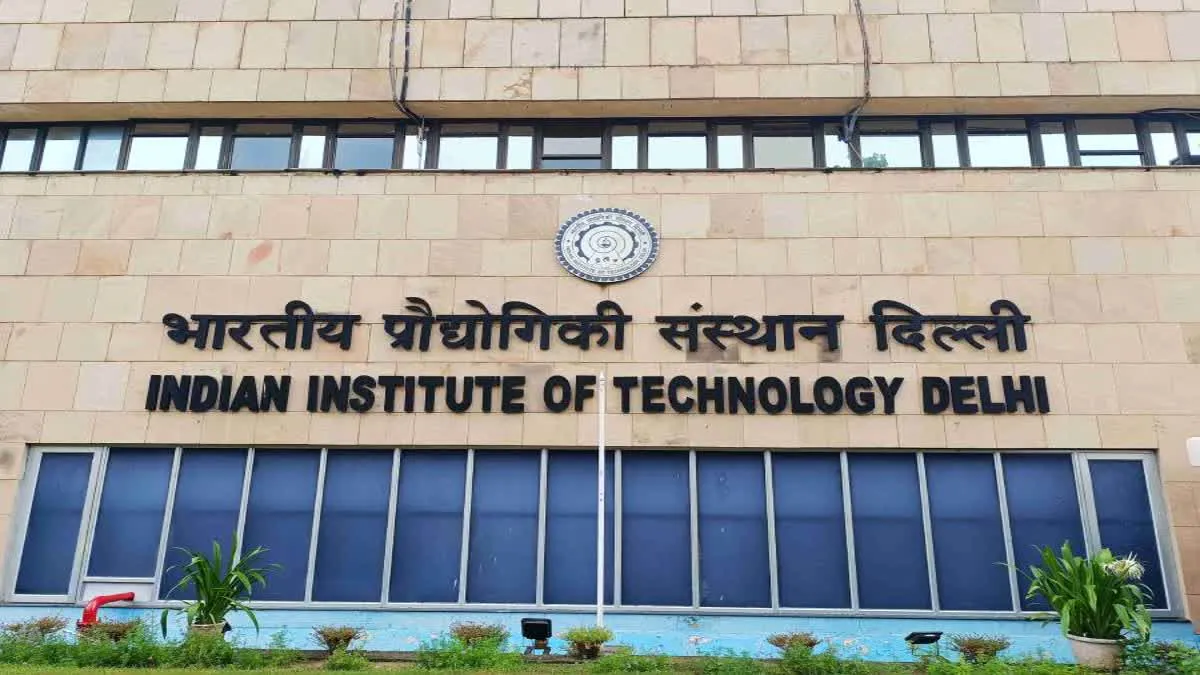
IIT Delhi Researchers Innovate Air Conditioner to Cut Power Consumption
The CSR Journal Magazine

As temperatures rise and electricity demand peaks across India, researchers from the Indian Institute of Technology (IIT) Delhi have made a significant advancement that could help alleviate the burden on both households and the national power grid. Led by Professor Anurag Goyal from the Department of Mechanical Engineering, the team has developed an add-on module for standard air conditioners designed to reduce energy consumption by nearly one-third while ensuring indoor comfort is maintained.

Understanding Conventional AC Systems

Most air conditioning units currently in use operate based on a vapor-compression system that cools indoor air while also managing humidity levels. This dual function necessitates a process where indoor air is cooled below the desired temperature, allowing water vapor to condense on cooling coils. While effective for humidity control, this method demands a significant amount of energy. Users often find themselves adjusting thermostat settings to achieve comfort, leading to increased electricity bills and heightened peak power demand, particularly during sweltering summer months. Average power consumption for typical room air conditioners hovers around 1200 watts during use.

Innovative Separation of Cooling Functions

Professor Goyal’s research group has introduced a compact add-on module that efficiently addresses moisture control without the necessity to excessively cool the air. This system utilizes a liquid desiccant—a salt solution—that extracts water vapor from incoming air. A specialized polymer membrane acts as a barrier between the air and the salt solution, preventing any salt particles from entering the indoor environment, a concern often associated with traditional liquid-desiccant systems. With this method, air conditioners no longer need to overcool the air, resulting in a marked reduction in compressor energy load.

Smart Regeneration Process

Following moisture absorption, the salt solution becomes diluted and requires regeneration for reuse. Instead of relying on an additional heater or burner, the IIT Delhi team has developed a system that utilizes waste heat generated from the outdoor condenser unit of the AC. This heat, which is ordinarily expelled into the environment, is redirected to a regeneration module to dry the diluted salt solution. This innovative design allows continuous cycling of the same liquid desiccant without the need for extra heating devices, ensuring efficient performance tailored to India’s varied climate.

Energy Savings Through Advanced Design

According to Professor Goyal, under standard operating conditions, the newly designed hybrid system brings down total energy usage from approximately 1200 watts to around 800 watts, marking a reduction in energy consumption of about 33 percent while maintaining equivalent levels of indoor comfort. The extent of energy savings may differ depending on geographical climate, with an estimated 28 percent decrease in humid regions and up to 41.5 percent in arid areas, averaging a 33 percent reduction overall. Such efficiency improvements could critical in managing peak energy demands during intense summer conditions.

Recognition and Future Implications

This research has been comprehensively detailed in a study titled “Model-based analysis of a novel hybrid membrane-liquid desiccant air conditioner for high-efficiency space cooling,” published in the Journal of Building Engineering. The study covers system modeling, performance evaluation, and expected energy savings across different climates in India. Should this technology receive widespread adoption, it has the potential to significantly lower household electricity expenditures, decrease national peak power demand, and contribute positively to environmental sustainability efforts. As urbanization continues to escalate cooling requirements, innovations like this could initiate a transformative shift towards more sustainable cooling solutions across Indian infrastructure.

Long or Short, get news the way you like. No ads. No redirections. Download Newspin and Stay Alert, The CSR Journal Mobile app, for fast, crisp, clean updates!

App Store –  https://apps.apple.com/in/app/newspin/id6746449540 

Google Play Store – https://play.google.com/store/apps/details?id=com.inventifweb.newspin&pcampaignid=web_share

Latest News

Popular Videos
