


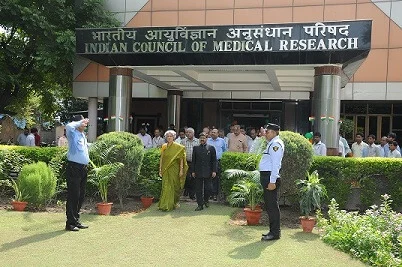

In a significant policy shift, the Indian Council of Medical Research (ICMR) is advocating for the initiation of large-scale multi-centre clinical trials to develop India-specific evidence for treating lifestyle and chronic diseases. This initiative seeks to decrease reliance on data derived primarily from Western countries, which may not be directly applicable to Indian patients. The focus is on prevalent non-communicable diseases including diabetes, cardiovascular issues, and cancer, which impact millions of individuals across the nation.
Need for Localized Evidence
Health professionals have noted that therapies that are deemed effective in Western populations do not always yield the same health outcomes in Indian patients. Factors such as genetic diversity, dietary habits, climatic conditions, and varying patterns of disease contribute to the necessity for research tailored to Indian demographics. Dr. Ambuj Rao, a cardiologist affiliated with AIIMS Delhi, expressed the urgency for localized clinical research, referencing an ongoing influenza vaccine trial being conducted among heart patients at AIIMS. He emphasized that evidence from Western nations is inadequate given India’s unique flu cycles and public health challenges.
Implementation and Funding Details
Under this new initiative, networks composed of at least five hospitals will collaborate to assess various treatment approaches, medical procedures, digital healthcare tools, and lifestyle modifications within real-world scenarios unique to India. The primary goal is to identify therapeutic methods that are clinically effective as well as economically viable for the country’s government hospitals and public health initiatives. Each selected study will be eligible for government funding of up to Rs 8 crore over a four-year period, according to officials.
Unique Health Challenges in India
Dr. Ravinder Goswami from the endocrinology department at AIIMS Delhi highlighted that India’s tropical climate, the repeated cycles of socioeconomic stress, and unique dietary habits have led to specific metabolic and hormonal responses among Indian populations. These include characteristics such as insulin resistance, elevated cortisol levels, and altered body composition, which contribute to significant health issues like diabetes and hypertension. With consumption patterns increasingly leaning towards processed foods, there’s a pressing need for culturally relevant, India-specific treatment options that address these conditions.
Strengthening Research Capacity
In addition to refining treatment protocols, this initiative aims to enhance India’s research capabilities. Participating hospitals will undertake independent clinical trials, keep standardized digital records, and ensure transparent data sharing, which will minimize reliance on pharmaceutical-driven global studies. Public health experts are optimistic that this endeavor may considerably benefit patients, as even minor adjustments to treatment approaches grounded in Indian evidence could lead to improved health outcomes and potentially lower healthcare costs for families managing chronic conditions.
Future Implications for Healthcare
If this initiative proves successful, it could lead to a paradigm shift in how medical professionals prescribe treatments in India, ultimately ensuring that clinical decisions are informed by data sourced from Indian patients rather than assumptions extrapolated from international studies.
Long or Short, get news the way you like. No ads. No redirections. Download Newspin and Stay Alert, The CSR Journal Mobile app, for fast, crisp, clean updates!
App Store – https://apps.apple.com/in/app/newspin/id6746449540
Google Play Store – https://play.google.com/store/apps/details?id=com.inventifweb.newspin&pcampaignid=web_share