


How Mosquitoes Track Humans in the Dark?
The CSR Journal Magazine

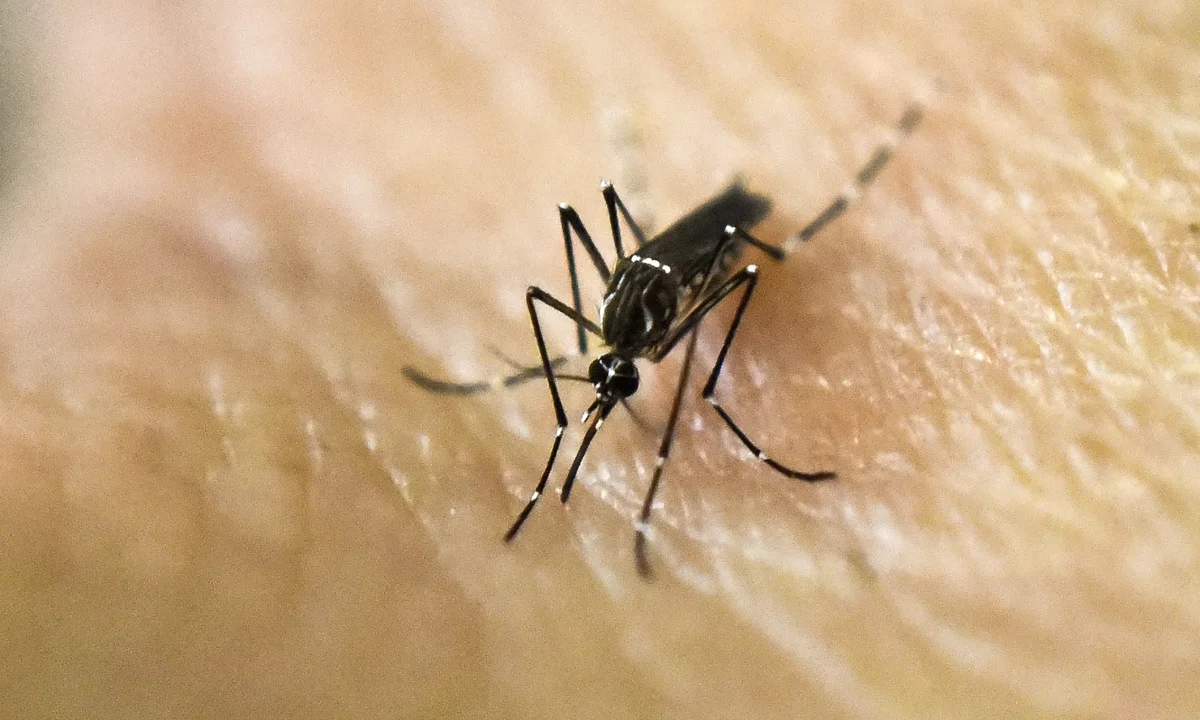
Mosquitoes are known for their ability to locate humans even in complete darkness. Their primary means of detection involves the sensing of carbon dioxide, body heat, and skin odour. While humans rely predominantly on vision, these insects utilise a combination of chemical and thermal signals to navigate their surroundings efficiently.

Carbon dioxide is a critical factor; every time an individual exhales, they produce this gas, which mosquitoes can detect. Their sensitivity to carbon dioxide enables them to determine both the direction and proximity of a potential host. This reaction is often the initial cue that guides them toward humans.

In addition to carbon dioxide, mosquitoes employ specialized sensors to detect body heat. The warmth emitted by a human body creates a distinct thermal signature in the darkness. These temperature variations help mosquitoes identify and hone in on individuals, making them particularly effective hunters, even without the benefit of light.

Factors Influencing Mosquito Attraction

Several factors contribute to why certain individuals experience more mosquito bites than others. Unique body odours play a significant role, as each person exudes a distinctive combination of chemicals, including lactic acid and ammonia. This variance means that some individuals attract mosquitoes more effectively than others based on their scent profile.

Additionally, physiological factors such as sweat composition and even specific infections can alter an individual’s attractiveness to mosquitoes. The concept of a “chemical signature” helps explain how mosquitoes select their targets, often preferring those with certain skin chemistries or higher perspiration levels.

A common misconception that mosquitoes follow one another to find hosts is unfounded. Research indicates that each mosquito reacts independently to stimuli such as carbon dioxide and visual cues. Their presence in the same area often results from a shared attraction to these environmental signals rather than coordinated movement.

Behavioural Patterns and Public Health Implications

Mosquitoes exhibit increased activity during the night, largely due to intrinsic biological clocks. This nocturnal behaviour aligns with their feeding patterns, as they tend to target humans during periods of rest. Reduced human activity at night enhances their ability to feed with minimal disturbance.

The implications of mosquito bites extend beyond mere annoyance; they can also pose significant public health risks. Mosquitoes are vectors for various diseases, including malaria and dengue fever. As a result, it is essential for communities to take preventative measures to minimise mosquito populations and reduce the risk of transmission.

To mitigate the threat posed by mosquitoes, individuals are advised to implement basic precautions. Maintaining a clean environment, avoiding stagnant water, and using insect repellents when necessary can significantly reduce the likelihood of mosquito bites. This proactive approach is crucial for safeguarding public health, particularly in regions where mosquito-borne diseases are prevalent.

Long or Short, get news the way you like. No ads. No redirections. Download Newspin and Stay Alert, The CSR Journal Mobile app, for fast, crisp, clean updates!

App Store –  https://apps.apple.com/in/app/newspin/id6746449540 

Google Play Store – https://play.google.com/store/apps/details?id=com.inventifweb.newspin&pcampaignid=web_share

Latest News

Popular Videos
