


Gwalior Recognised as City of Music by UNESCO
The CSR Journal Magazine

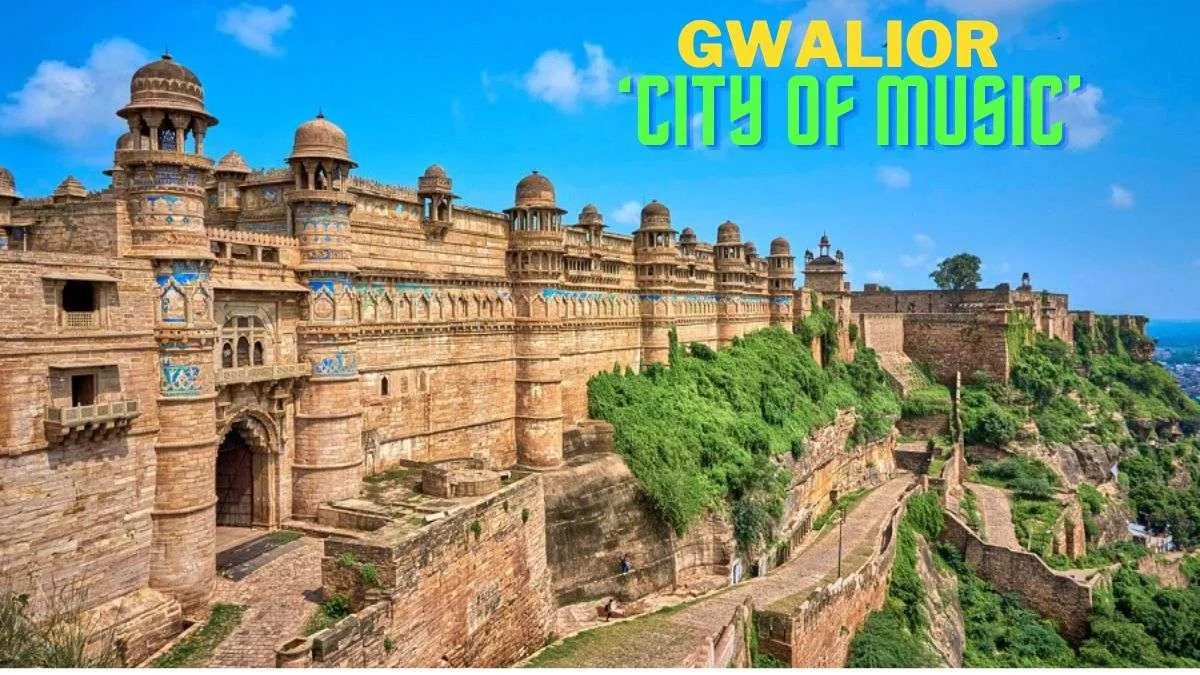
Gwalior has been officially acknowledged by the UNESCO Creative Cities Network for its rich musical heritage, asserting itself as a significant representative of India’s classical music traditions. The city’s narrative is deeply intertwined with music, portraying it not only as an art form but also as an integral aspect of daily life.

The city hosts numerous grand music festivals that draw large crowds, ensuring the continuation of its musical legacy. Traditional ‘baithaks’ evoke the atmosphere of royal courts, where music is not just performed; it is fully experienced as part of the local culture.

As a cultural centre in Madhya Pradesh, Gwalior is home to the Gwalior Gharana, a prominent lineage in Hindustani classical music. The city is a nurturing ground for various musical styles such as Dhrupad and Khayal, which have been cultivated and appreciated for centuries.

Empowerment Through Music Initiatives

Efforts in Gwalior are not limited to performances, as the city is actively promoting inclusivity in music. Initiatives decreasing ticket prices and offering free concerts aim to broaden access to artistic experiences for the general populace.

Young talents from underprivileged backgrounds are being supported through scholarships, while programmes like ‘Dream Hatcher’ focus on empowering women artists by helping them turn their creative ideas into sustainable careers. This approach highlights music’s role as a tool for social upliftment.

Additionally, Gwalior partakes in national initiatives such as ‘Ek Bharat Shreshtha Bharat’, enhancing its artistic economy by hosting cultural festivals and partnerships with media channels, thereby broadening the recognition of local artists on wider platforms.

The Historical Context of Gwalior’s Musical Heritage

Gwalior’s rich musical heritage can be traced to the influential Scindia dynasty, known for fostering a vibrant arts culture. Their patronage created an environment where music could thrive, laying the groundwork for the city’s longstanding prominence in this field.

Historical figures like Mahadji Scindia and Daulatrao Scindia significantly contributed to the cultural richness, supporting musicians and establishing institutions dedicated to the arts. Their leadership not only provided financial backing but also elevated artistic respect and recognition.

Madhavrao Scindia furthered this legacy by founding one of the earliest structured music education institutions, the Shri Madhav Music School, on January 10, 1918. Under the mentorship of Pandit Bhatkhande, the school introduced instructional methodologies that include notation systems still prevalent today.

The significant role of music within the royal household is evidenced by Jiwajirao Scindia, who, although not a musician, closely engaged with the art form by attending numerous musical gatherings. This reflects the seamless integration of cultural performance into everyday royal life, enriching both past and present.

Today, Gwalior stands as a vivid link between its illustrious past and contemporary musical expression. With its ongoing initiatives, the city strives to keep its musical traditions alive, while also adapting to modern-day requirements, ensuring that its story continues to resonate for generations to come.

Long or Short, get news the way you like. No ads. No redirections. Download Newspin and Stay Alert, The CSR Journal Mobile app, for fast, crisp, clean updates!

App Store –  https://apps.apple.com/in/app/newspin/id6746449540 

Google Play Store – https://play.google.com/store/apps/details?id=com.inventifweb.newspin&pcampaignid=web_share

Latest News

Popular Videos
