


app-store-logo
play-store-logo
March 7, 2026

Gulf Nations Voice Frustration Over US Support Amid Rising Iran Threat
The CSR Journal Magazine

The Trump administration is facing increasing dissatisfaction from its allies in the Persian Gulf regarding the handling of the ongoing conflict with Iran. Officials from two Gulf nations indicated disappointment with the US approach, particularly criticizing the lack of advance notice before the US and Israel conducted their attack on Iran on February 28. These officials noted that warnings regarding the repercussions of the war were overlooked, leaving their nations vulnerable to retaliatory strikes.

Concerns have been raised about the adequacy of US military support in defending Gulf nations against Iranian drone and missile strikes. One official articulated frustration that the primary focus of US military operations has been on safeguarding Israeli and American interests rather than those of Gulf states. They highlighted that their region’s stock of missile interceptors is “rapidly depleting,” signaling urgent needs for defense resources.

Officials from Bahrain, Kuwait, Oman, Qatar, Saudi Arabia, and the United Arab Emirates have remained silent in response to media queries. In contrast, a spokesperson for the White House stated that “Operation Epic Fury” has significantly reduced the effectiveness of Iran’s retaliatory missile attacks by 90 percent. The spokesperson emphasized President Trump’s coordination with regional partners and framed the operations as necessary to counter the threats posed by Iran.

Although the official reactions from Gulf countries have been restrained, public figures affiliated with those governments have been vocal in their criticism of the US. Some have asserted that Israeli Prime Minister Benjamin Netanyahu played a pivotal role in influencing Trump to engage in the conflict. Prince Turki al-Faisal, a former Saudi intelligence chief, referred to the situation as “Netanyahu’s war,” indicating a prevalent sentiment that the US was unduly drawn into a conflict lacking necessary justification.

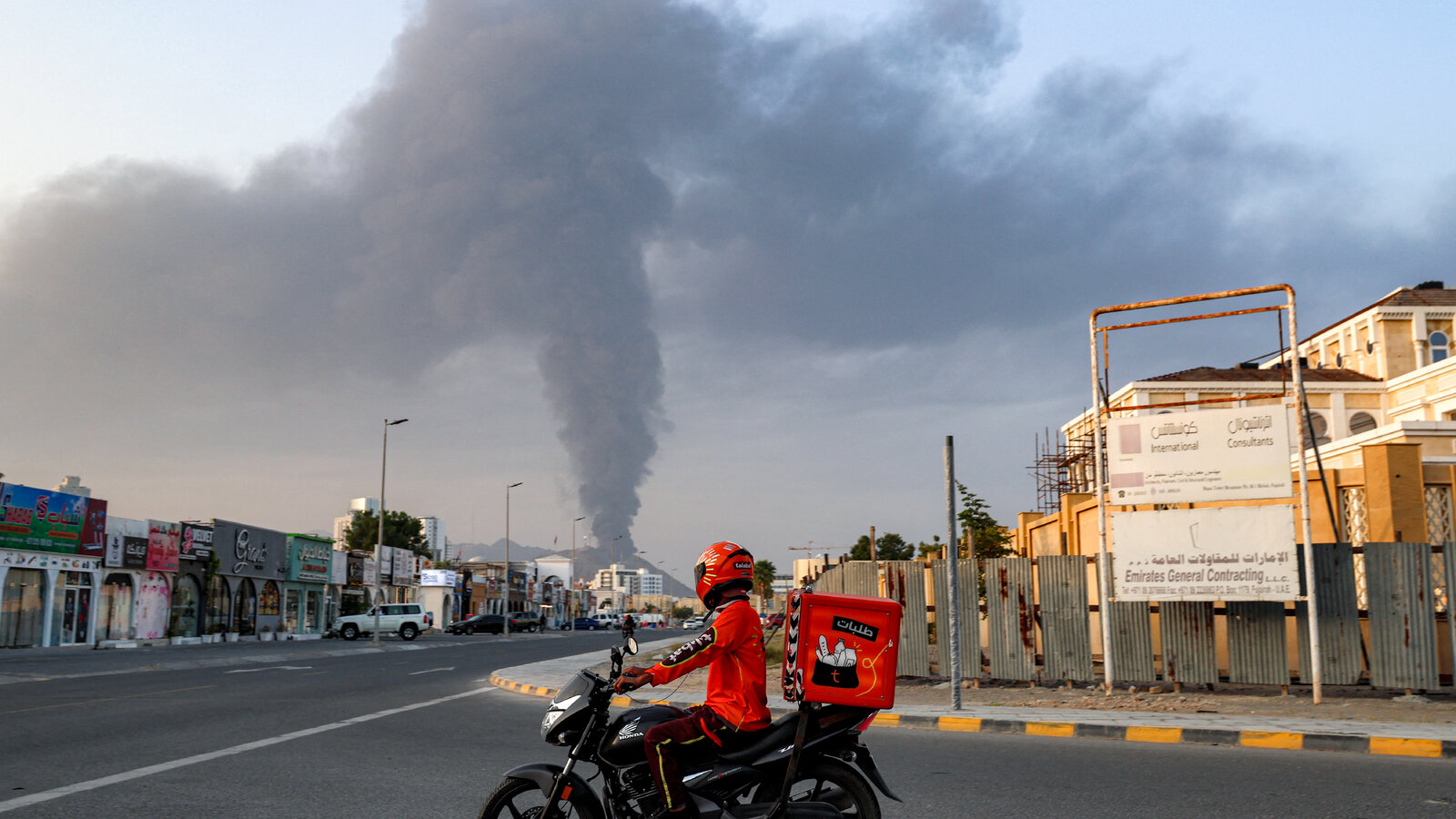
In classified briefings this week, Pentagon officials admitted to lawmakers that they are grappling with Iranian drone attacks, which have put US personnel in the Gulf region at risk. These countries have become primary targets given their proximity to Iran’s missile capabilities and high-value locations housing American troops, businesses, and energy infrastructures.

Data indicates that Iran has launched an extensive campaign against the Gulf nations since the onset of the war, firing approximately 380 missiles and over 1,480 drones, resulting in at least 13 fatalities in those areas and additional casualties among US military personnel. A recent drone strike in Kuwait killed six US soldiers, drawing attention to inadequacies in military defenses even in civilian operations centers.

During briefings, US Defense Secretary Pete Hegseth and General Dan Caine discussed the limitations of US interception capabilities against incoming drones, specifically those of the Shahed model. They offered minimal explanations regarding the perceived unpreparedness to counter Iran’s operational tactics and broader drone deployment across the region.

Incidents this week included drone strikes targeting the US embassy in Saudi Arabia and the consulate in Dubai, causing minor damage but highlighting the persistent threat posed by Iranian drone operations. The US has reached out for assistance from Ukraine, which has developed expertise in countering such UAV threats, further illustrating the expansive nature of this conflict.

Analyses suggest that the US may have underestimated the risk imposed on Gulf allies, historically focused on protecting American and Israeli assets instead. This misjudgment, coupled with the successful interception rates of Israeli defenses, has fueled frustrations in the Gulf that they are inadequately equipped for their protection in the conflict.

Concerns are growing that if attacks persist, Gulf nations may resort to retaliatory measures against Iran. Former officials indicate there is recognition that significant risk awareness exists among Gulf states, which fear long-term consequences stemming from the conflict’s nature and the economic instability it nurtures.

Long or Short, get news the way you like. No ads. No redirections. Download Newspin and Stay Alert, The CSR Journal Mobile app, for fast, crisp, clean updates!

App Store –  https://apps.apple.com/in/app/newspin/id6746449540 

Google Play Store – https://play.google.com/store/apps/details?id=com.inventifweb.newspin&pcampaignid=web_share

Latest News

Popular Videos
