


Gujarat Budget Allocates Rs 60 Crore for Bio-CNG Plants to Boost Dairy Sustainability
The CSR Journal Magazine

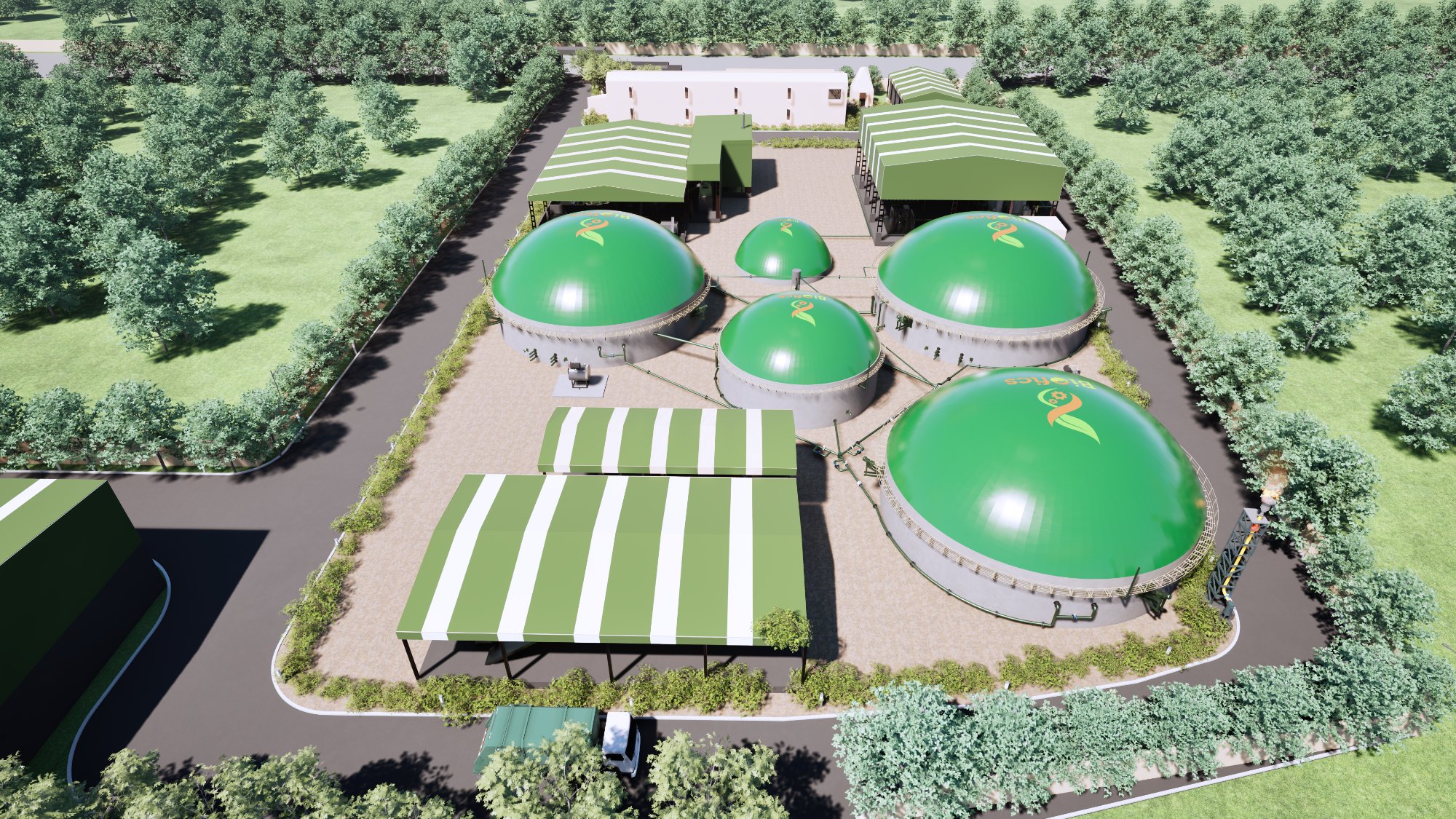
In line with Prime Minister Narendra Modi’s ‘Waste to Wealth’ initiative and the goals of Aatmanirbhar Bharat, the Gujarat government has made substantial allocations in its budget to promote Bio-CNG plants. The Chief Minister’s Office has announced a budgetary provision of Rs 60 crore specifically aimed at establishing new Bio-CNG facilities through cooperative milk production societies. This follows the successful model of the Banas Bio-CNG plant, which has served as an inspiration for similar projects across nearly 15 states in India, facilitated by the Union Ministry of Jal Shakti and the Union Ministry of Cooperation.

Innovative Approach to Rural Economy

The Banas Dairy initiative stands out for its role in transforming organic waste, including cow dung, into clean fuel and organic fertiliser. This project has not only improved the local economy but has also aimed to elevate the dairy sector into a center for sustainable energy production. The state government intends to implement a phased approach to establish around 10 Bio-CNG plants in Gujarat, capitalizing on this innovative framework.

Operational Success and Future Plans

The Banas Bio-CNG facility located in Banaskantha, which has been operational for six years, effectively processes 40 metric tonnes of dung daily. Encouraged by its success, plans are in motion to develop five larger Bio-CNG plants in the same region. Currently, two of these facilities are functioning, with a third nearing completion. Each plant is designed to handle approximately 100 metric tonnes of dung each day, representing a significant step in modernizing energy production while maintaining environmental sustainability.

Economic Benefits for Local Farmers

Farmers from around 20-25 villages within a 20-kilometre radius supply dung to these Bio-CNG plants, receiving Rs 1 per kilogram. This arrangement provides additional income to around 400-450 families engaged in animal husbandry. To facilitate the collection of cow dung, approximately 13 tractor-trolleys are utilized, each capable of carrying about 4 metric tonnes per trip, thus generating employment opportunities and boosting the local economy.

Diverse Revenue Generation Model

The Bio-CNG plants adopt a diversified revenue model that generates income from multiple products. Daily production includes about 1,800 kilograms of compressed biogas (CNG), which is marketed at around Rs 75 per kilogram. Additionally, these facilities produce around 25 metric tonnes of solid organic fertiliser and 75 metric tonnes of liquid organic fertiliser, sold for approximately Rs 6 and Rs 0.50 per kilogram respectively. The combined income from these products surpasses Rs 3 lakh daily, potentially reaching an annual revenue of Rs 12 crore.

Environmental Impact and Future Vision

Gujarat’s commitment to the Bio-CNG project marks a significant advancement in both the energy and environmental sectors. The initiative is projected to reduce approximately 6,750 tonnes of CO2e (carbon dioxide equivalent) greenhouse gas emissions every year. By integrating clean fuel production with chemical-free organic fertilisers and effective waste management, the effort is contributing to the state’s broader vision of ‘Green Gujarat’, aligning with ongoing global challenges surrounding climate change.

Long or Short, get news the way you like. No ads. No redirections. Download Newspin and Stay Alert, The CSR Journal Mobile app, for fast, crisp, clean updates!

App Store –  https://apps.apple.com/in/app/newspin/id6746449540 

Google Play Store – https://play.google.com/store/apps/details?id=com.inventifweb.newspin&pcampaignid=web_share

Latest News

Popular Videos
