


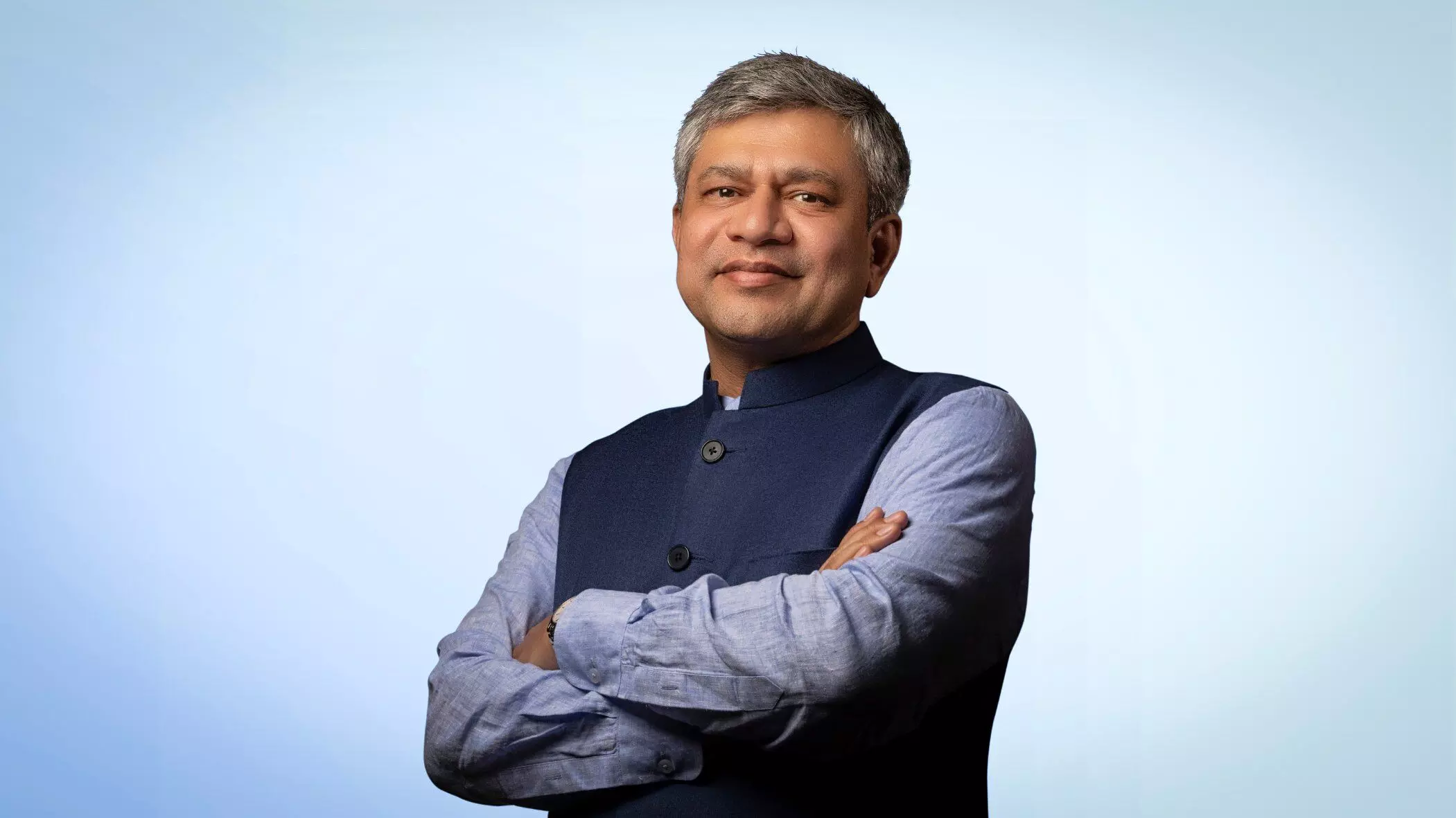

The Union Government has authorized 29 rail surveys in Tamil Nadu, covering a total of 2,501 kilometers over the past four years. Among these, six pertain to the construction of new railway lines, while the remaining 23 involve capacity enhancement through doubling existing tracks. The information was conveyed by the Ministry of Railways during a session in the Rajya Sabha. Union Minister Ashwini Vaishnaw underscored the necessity of collaboration from the State Government for the projects to advance effectively.
Recent Undertakings in Tamil Nadu
Vaishnaw highlighted several projects that have either been completed or are in progress within Tamil Nadu. Recently finished projects include the Dindigul-Palani-Pollachi gauge conversion, which extends 121 kilometers and was completed at a cost of Rs 610 crore. Other notable projects are the Pollachi-Palghat line spanning 56 kilometers at Rs 350 crore, and the Quilon-Tirunelveli-Tiruchendur line, measuring 357 kilometers and costing Rs 1,122 crore. Additionally, the Mayiladuturai-Thiruvarur-Karaikkudi gauge conversion project, covering 187 kilometers, had an investment of Rs 1,338 crore, while the Villupuram-Dindigul doubling project cost Rs 2,000 crore for its 273-kilometer stretch.
Ongoing Projects and Challenges
Several ongoing projects were also mentioned, with the Tindivanam-Nagari new line being approximately 184 kilometers long and costing Rs 3,631 crore. The Trivandrum-Kanyakumari doubling project spans 87 kilometers with an outlay of Rs 3,785 crore. The Morappur-Dharmapuri new line, though shorter at 36 kilometers, has a significant investment of Rs 359 crore. However, there are notable delays primarily attributed to issues concerning land acquisition, which necessitate the cooperation of the Tamil Nadu Government.
Land Acquisition Issues
The total land required for the various railway projects in Tamil Nadu amounts to 4,326 hectares. Yet, only 1,052 hectares have been acquired so far, which constitutes approximately 24 percent of the total requirement. This leaves a significant 3,274 hectares, or 76 percent, still to be secured. Projects such as the Tindivanam-Tiruvannamalai new line, which is 71 kilometers long, require the acquisition of 243 hectares, while the Attiputtu-Puttur new line, measuring 88 kilometers, has yet to acquire any of the necessary 189 hectares. Similar circumstances are observed in the Mannargudi-Pattukkottai (41 kilometers) and Thanjavur-Pattukottai (52 kilometers) new lines.
Specific Delayed Projects
One significant project, the Rameshwaram-Dhanushkodi new line, which spans 18 kilometers and was sanctioned for Rs 734 crore, has remained dormant since the laying of the foundation stone on March 1, 2019, due to land acquisition delays by the State Government. Vaishnaw asserted that while the Indian Government is prepared to execute these projects, timely completion heavily relies on cooperation from the Tamil Nadu authorities.
Factors Affecting Project Execution
Vaishnaw reiterated that the sanctioning of railway projects involves multifaceted considerations, including traffic assessments, connectivity needs, congested line augmentations, and demands from state administrations. He emphasized that land acquisition, along with other logistical and legal requirements, such as forest clearances and statutory approvals, significantly influence both the timelines and costs associated with project execution. This detailed overview was provided by Ashwini Vaishnaw in response to inquiries in the Rajya Sabha.