


Government Plans to Increase Parliament Seats to 816 for Women’s Reservation
The CSR Journal Magazine

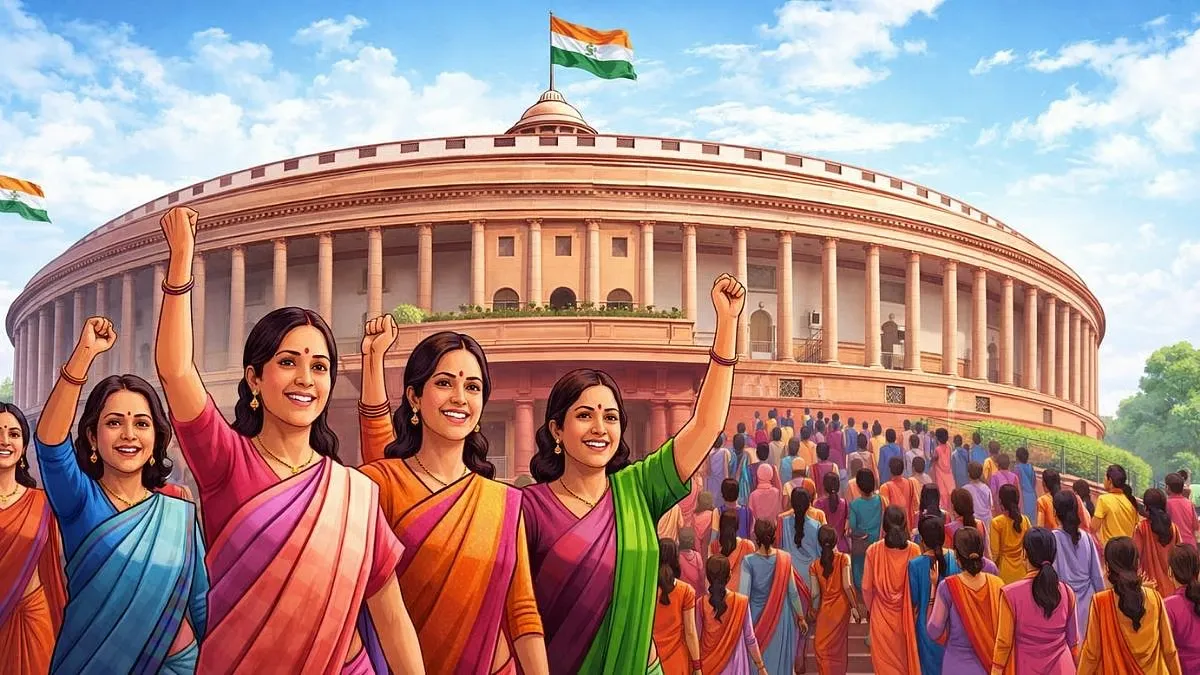
NEW DELHI: The government is set to introduce two bills in the current session of Parliament aimed at implementing one-third reservation for women in the next Lok Sabha elections and subsequent assembly elections. This initiative seeks to significantly alter the political framework of the country, aligning with Prime Minister Modi’s agenda for women’s empowerment, especially as campaigns for four state assemblies intensify. If the government succeeds, the Lok Sabha’s total seats may increase by 50% from the current 543 to 816, allocating 273 of those seats specifically for women. This move is designed to retain the current political structure, primarily composed of male parliamentarians, while integrating a more gender-balanced representation.

Increase in Lok Sabha Seats and Majority Requirement

The proposed adjustment will shift the majority threshold in the Lok Sabha to 409. This represents the first increase in the House’s size over the past fifty years. The changes will not affect the composition of the Rajya Sabha or state legislative councils. The government intends to introduce at least one bill concerning delimitation and another for a constitutional amendment, which will require two-thirds support in both Houses for passage. Although the ruling NDA coalition does not hold sufficient power to independently pass the bills, there is a strong push to seek bipartisan support during the ongoing budget session, which is scheduled to conclude on April 4. Should the bills not be passed in this session, the government is poised to consider calling a brief extra session dedicated to this issue.

Efforts Led by Home Minister Amit Shah

Home Minister Amit Shah is at the forefront of this legislative push, having convened meetings with both regional parties and opposition groups to garner support for these bills. His discussions included engagements with parties not aligned with either the NDA or the INDIA blocs, as well as consultations with allies within the BJP. The women’s reservation legislation, which the Modi government introduced in 2023, is linked to the process of delimitation, planned to follow the forthcoming Census, which is set to begin shortly.

Delimitation Based on Census 2011 Proposed

People familiar with the discussions noted that Shah expressed a preference to detach the current law’s stipulation for initiating the women’s quota from the upcoming Census. Instead, he suggested leveraging data from the 2011 Census to facilitate a timely implementation of the women’s quota by the 2029 Lok Sabha elections. Relying on the earlier Census data, the government aims to expedite the process, as current demographic evaluations may delay the completion of a nationwide delimitation exercise. Sources indicate that the government is eager to have the quota ready for elections following March 31, 2029, and is willing to extend the budget session if necessary for that consensus to be achieved.

Projected Constituency Changes Across States

According to proposed demographic adjustments, states like Uttar Pradesh and Bihar are projected to have their Lok Sabha seats increase to 120 and 60, respectively, up from 80 and 40. Kerala’s representation is also expected to rise from 20 to 30 seats. In states with uneven seat distributions, such as Tamil Nadu, the delimitation commission will determine the exact allocations. The government’s approach aims to maintain proportional representation for states and Union Territories, as increasing seat shares by 50% addresses concerns expressed by southern states regarding potential losses in Parliamentary representation due to successful population control initiatives compared to northern states. Furthermore, existing reserved seats for Scheduled Castes and Scheduled Tribes are anticipated to increase, with SC representation rising from 84 to 126 seats and ST seats increasing from 47 to 70.

Negotiations and Political Dynamics

The meetings involved varied party representatives, with notable attendance by leaders from NDA allies and several opposition parties. Some parties, including the Congress and the Samajwadi Party, have advocated for the inclusion of Other Backward Classes within the women’s quota. As the NDA holds a majority in both Houses, achieving the necessary two-thirds support will require collaboration with other parties. Previously, the women’s reservation bill was passed during a special session of Parliament in September 2023, while the government recognized the Constitution (One Hundred and Sixth Amendment) Act as “Nari Shakti Vandan Adhiniyam.” Despite the official endorsement, conflicting viewpoints persist among opposition members and women’s advocacy groups, who criticized the necessity of linking the quota’s implementation to upcoming Census data, thus complicating its timely action.

Long or Short, get news the way you like. No ads. No redirections. Download Newspin and Stay Alert, The CSR Journal Mobile app, for fast, crisp, clean updates!

App Store –  https://apps.apple.com/in/app/newspin/id6746449540 

Google Play Store – https://play.google.com/store/apps/details?id=com.inventifweb.newspin&pcampaignid=web_share

Latest News

Popular Videos
