


app-store-logo
play-store-logo
February 24, 2026

Government Introduces Bharat Taxi Cooperative Model for Drivers’ Empowerment
The CSR Journal Magazine

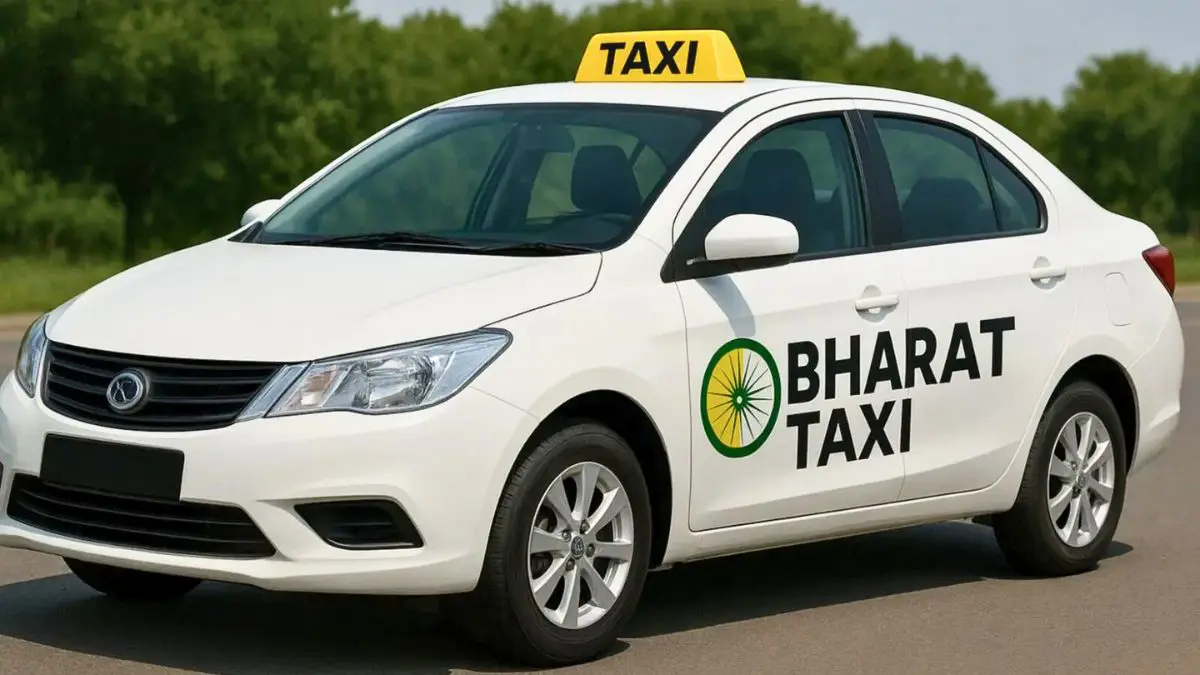
For many years, cab drivers have voiced concerns regarding their earnings and lack of influence in ride-hailing platforms, which have burgeoned into significant enterprises. In a move to address these issues, the government has introduced Bharat Taxi, a cooperative ride-hailing service that enables drivers to attain ownership status.

Union Cooperation Minister Amit Shah elaborated on the initiative during a meeting with cab and auto drivers from Delhi-NCR and Gujarat, emphasizing that the primary goal is to ensure that drivers benefit directly from the platform’s profitability.

Shah outlined that the cooperative model will allocate 80 percent of the profits generated to drivers, a distribution based on the distances they cover, while retaining 20 percent within the organization to fund operations and future growth. This structure aims to combat the volatility of earnings commonly experienced by drivers on private platforms.

Shah highlighted his discussions with existing ride-hailing companies regarding minimum earnings, stating, “I asked the existing companies whether they had fixed a minimum base rate for drivers. They said no. We will ensure your minimum earnings are protected. Anything earned beyond that should also benefit you.” This assurance addresses long-standing concerns regarding unpredictable income and extended working hours.

Cooperative Model Inspired by Amul

To illustrate the practical aspects of driver ownership, Shah made a comparison to Amul, a well-known cooperative that originated from modest contributions by producers and has since flourished. He mentioned, “Nearly 36 lakh women invested just Rs 50 each to build Amul into a Rs 1.25 lakh crore organization.

In private companies, profits are attributed to owners. In Amul, the majority of profits are returned to producers. Bharat Taxi emulates this concept within the mobility sector.” Under this initiative, drivers can join the cooperative by purchasing a share for Rs 500, granting them a transition from mere service providers to active contributors.

Driver Representation and Future Plans

As the cooperative expands, drivers will gain representation on the board, allowing them to question and influence decision-making processes. Shah guaranteed that drivers would have advocates who could challenge decisions that do not align with their welfare. “If any decision goes against drivers, your representative will question it and protect your interests,” he stated.

Bharat Taxi’s rollout will occur in stages, initially launching in Delhi-NCR and Rajkot, with aspirations to encompass up to 15 crore drivers within the next two years and to achieve presence in all cities housing municipal corporations within three years.

Shah acknowledged that the cooperative’s profit-sharing mechanism might not yield immediate benefits, indicating a projected timeline of nearly three years for optimal functionality. He encouraged drivers to remain committed during this formative phase. Bharat Taxi, which officially commenced operations on February 5 following a two-month pilot, has garnered backing from eight cooperative organizations.

As it prepares to compete against established platforms like Ola, Uber, and Rapido, the initiative represents a significant shift in the landscape of ride-hailing services in India.

Long or Short, get news the way you like. No ads. No redirections. Download Newspin and Stay Alert, The CSR Journal Mobile app, for fast, crisp, clean updates!

App Store –  https://apps.apple.com/in/app/newspin/id6746449540 

Google Play Store – https://play.google.com/store/apps/details?id=com.inventifweb.newspin&pcampaignid=web_share

Latest News

Popular Videos
