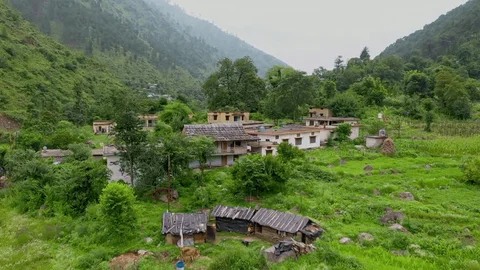
The northern states of Uttarakhand and Himachal Pradesh are home to numerous villages that stand abandoned, echoing the poignant history of human habitation intertwined with the rugged terrains of the Himalayas. These so-called ghost villages offer a glimpse into the lives that once animated these remote areas, now bereft of their residents. Factors such as harsh climatic conditions, natural calamities, and socioeconomic challenges have led to the decline of these communities over the years, resulting in the haunting quietude of the mountains.
Narrative of Abandonment
Many of these villages were once thriving centers of agrarian life, bustling with families engaged in farming and livestock rearing. However, successive landslides, earthquakes, and extreme weather events have prompted many residents to seek refuge in more urbanised areas. In villages like Pithoragarh in Uttarakhand and Kinnaur in Himachal Pradesh, entire populations have migrated in search of better livelihoods and living conditions, leaving behind structures that tell stories of a once-vibrant community.
Natural Disasters as a Catalyst
Recurring natural disasters play a critical role in the abandonment of these villages. The 1991 Uttarkashi earthquake and the devastating floods of 2013 are among the most significant events that compelled villagers to evacuate. The unpredictable nature of these geological occurrences has instilled a sense of fear among the remaining residents, leading to gradual depopulation as families choose to prioritise safety and stability over remaining in these risky environments.
Socioeconomic Factors at Play
The younger generations from these villages often face a dilemma between upholding ancestral ties and pursuing opportunities in urban centers. The lack of basic amenities such as schools, healthcare, and road connectivity has intensified the migration trend. Government initiatives aimed at rural development face challenges in implementation due to geographical constraints and a lack of sustained investment, further exacerbating the issue of village abandonment.
Preserving Cultural Heritage
While most of these ghost villages have succumbed to silence, efforts are being made to preserve their cultural and architectural heritage. Local governments and various organisations are exploring potential for tourism to breathe new life into these areas. Projects focusing on cultural documentation, heritage walks, and eco-tourism initiatives aim to attract visitors while fostering an appreciation for the history and tradition of these once-vibrant communities.
Impacts on Local Ecosystems
The abandonment of these settlements has also had an impact on local ecosystems. Agricultural practices that once maintained the ecological balance in these areas have diminished. With declining human activity, there have been noticeable shifts in flora and fauna, leading to both positive and negative changes in biodiversity. Natural habitats are beginning to rejuvenate, but this must be balanced with the need to acknowledge the traditions and practices that once governed these spaces.
Future Prospects for Ghost Villages
The future of Uttarakhand and Himachal’s ghost villages hangs in the balance, as local communities grapple with choices about their existence and identity. Discussions surrounding sustainable development plans and eco-friendly initiatives indicate that there is interest in reviving these areas while respecting their cultural significance. However, the challenges of geography, climate, and societal shifts remain considerable hurdles that will need to be addressed for any meaningful transformation to take place.