


app-store-logo
play-store-logo
March 9, 2026

Generation Z vs. Life Skills: The Challenge of Everyday Independence
The CSR Journal Magazine

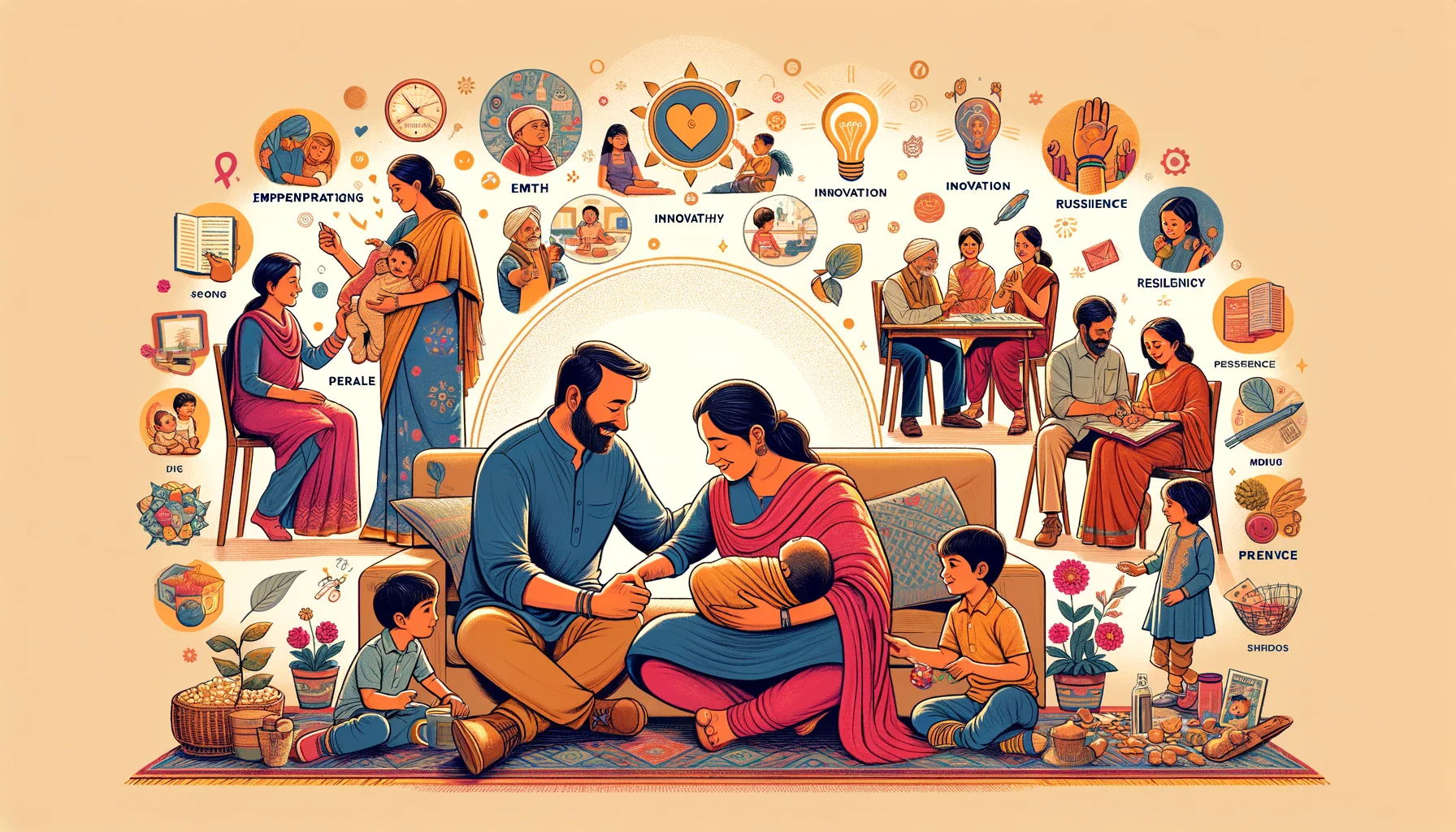
Indian parenting has traditionally focused on academic achievement, prioritizing good schools, high grades, and competitive exams that lead to secure careers. However, in an age characterized by rapid technological advancements and economic changes, educators are increasingly asserting that academic success is insufficient on its own. Many young people today may possess impressive credentials and digital skills but often encounter difficulties with essential life skills. Mastery in tasks such as cooking, money management, and emotional coping mechanisms is not adequately emphasized in academic settings but plays a critical role in determining how effectively young adults transition into independent living.

A Gap Between Awareness and Action

While there is a clear understanding among parents regarding the importance of life skills, there remains a significant gap in implementation. A national survey by K12 Techno Services revealed that while 94% of Indian parents believe life skills should be imparted at an early age, only 23% actively engage in teaching these competencies at home. The survey, which involved over 3,000 participants from various regions, underscores the discrepancy between parental intent and practical application. Families often face academic pressures that leave little room for teaching life skills. Educator Ritu Sharma, based in Delhi, notes that even highly capable students struggle with fundamental responsibilities such as time management and household tasks.

Recognizing Essential Real-World Skills

The recognition of these deficiencies in educational systems is gaining global traction. The World Health Organization defines life skills as psychosocial competencies that enable individuals to make informed choices, solve problems, and interact effectively with others. These skills, which include decision-making and emotional regulation, are increasingly recognized for their importance in fostering both personal growth and professional success. Research has indicated that adolescents with developed socio-emotional skills tend to demonstrate higher levels of school attendance and better classroom engagement, thereby reinforcing the idea that these competencies complement academic learning rather than detract from it.

Life Skills That Need Emphasis at Home

Experts emphasize that many life skills are best taught in the home environment rather than in school settings. Basic cooking and nutritional knowledge are essential, particularly for young adults who may move away for education. A parent from Mumbai, Shilpi Mishra, shares that she ensured her daughter could prepare basic meals before heading to college, citing independence as a vital outcome. Additionally, financial literacy has become a fundamental survival skill, with educators urging that teenagers should be taught to monitor their expenses early on to avoid future financial stress. Household management, which encompasses chores and maintenance, fosters a sense of responsibility, as noted by school counselor Neha Sharma.

Addressing Emotional Resilience and Digital Literacy

An often-overlooked concept is building emotional resilience, especially as studies have shown that a significant number of young Indians lack essential life competencies. Understanding that failure is a natural part of growth is crucial for handling stress effectively, according to educator Sharma. Furthermore, as children increasingly navigate digital spaces, awareness of online safety and social interactions has become a modern extension of traditional life skills.

The Modern Context for Life Skills

The contemporary landscape presents children with challenges distinct from those faced by previous generations. Young adults frequently relocate for education and often live independently at younger ages. The modern job market, characterized by gig work and unpredictable career paths, demands adaptability alongside traditional academic metrics. While grades remain important, it is imperative for parents to consider whether their children can independently manage their lives. The ultimate goal, as expressed by Mishra, is to prepare children not only for academic achievement but for real-world survival.

Combining Knowledge with Practical Skills

Education specialists contend that success in the future will depend on a combination of academic understanding and practical adaptability. Skills such as cooking, financial management, and conflict resolution, while perhaps unglamorous, are essential for sustaining adult life. As families navigate the complexities of modern living, the most impactful lessons may come from everyday experiences rather than formal education.

Long or Short, get news the way you like. No ads. No redirections. Download Newspin and Stay Alert, The CSR Journal Mobile app, for fast, crisp, clean updates!

App Store –  https://apps.apple.com/in/app/newspin/id6746449540 

Google Play Store – https://play.google.com/store/apps/details?id=com.inventifweb.newspin&pcampaignid=web_share

Latest News

Popular Videos
