


app-store-logo
play-store-logo
March 10, 2026

Fruits That Rely on Insect Pollination for Growth
The CSR Journal Magazine

Insect pollination is fundamental to the production of various fruits that are integral to our diets. Many crops, including apples, berries, and almonds, depend on the activities of bees and other insects to transfer pollen between flowers, enabling fertilization. The absence of these pollinators can lead to significant decreases in fruit yields, and in extreme cases, crops may fail altogether. Therefore, discussions around insect pollination and its impact on agriculture and food security are increasingly important. Pollinating insects not only facilitate fruit development but also enhance the size, quality, and seed formation of these fruits, positioning them as crucial components of the global food supply.

Mechanism of Insect Pollination

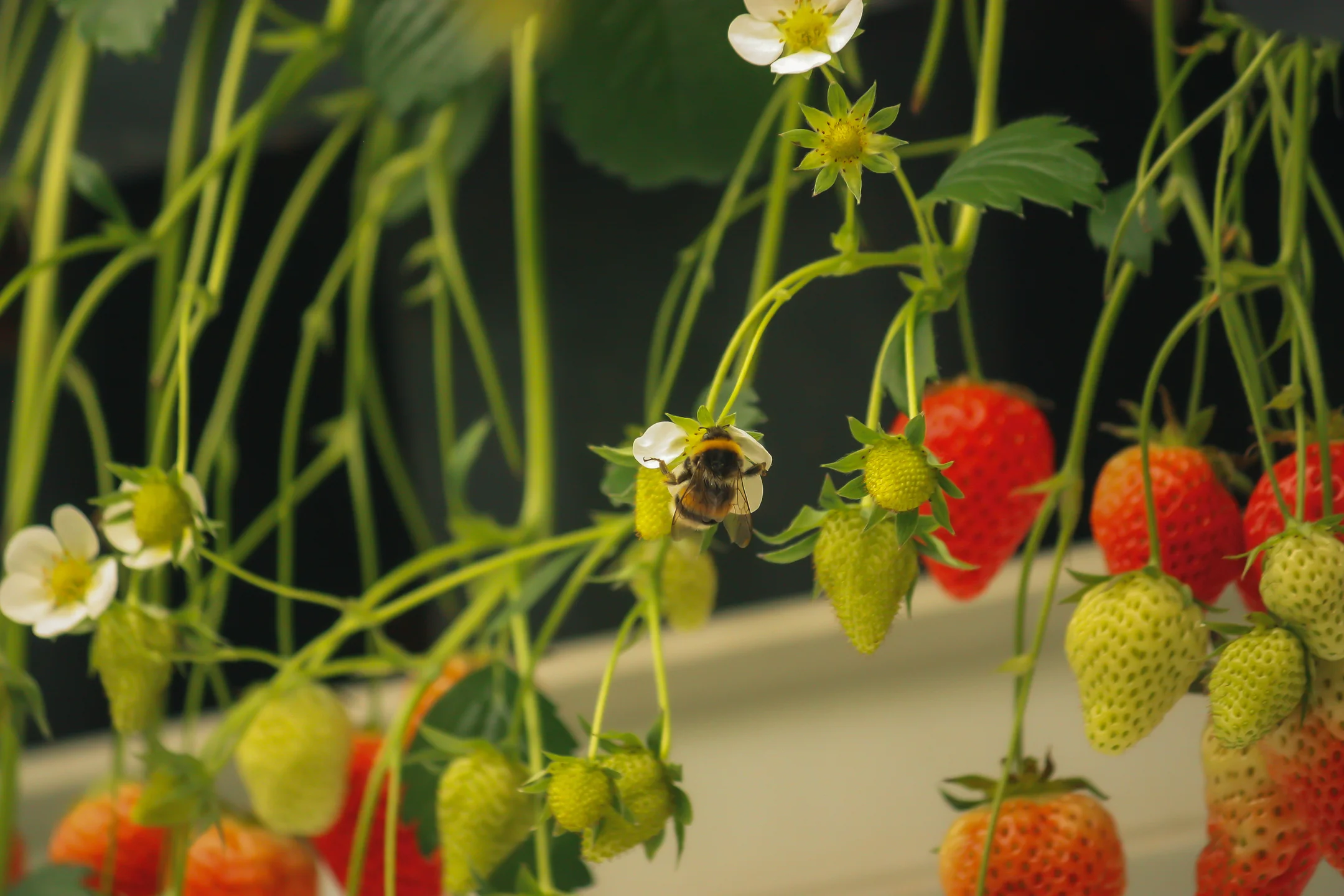
Insect pollination occurs when insects carry pollen from the male part of a flower, known as the anther, to the female part, termed the stigma. This transfer initiates the fertilization process of the ovules within the flower, leading to the formation of seeds and fruit. Cross-pollination aided by insects results in improved fruit size, quality, and seed creation. For instance, strawberries necessitate approximately 21 pollination visits per fruit to reach their full potential. An increased number of seeds often contributes to larger and sweeter strawberries, underscoring the importance of bees, butterflies, and other pollinators in agricultural productivity.

Fruits Heavily Dependent on Bee Pollination

Several well-known fruits indicate a strong reliance on bees for effective pollination. For example, apples and various stone fruits such as peaches, cherries, and plums require multiple visits from bees to achieve complete fertilization of their flowers. In the absence of insect activity, cross-pollination cannot occur at a scale necessary for commercial farming, directly impacting fruit yields. Similarly, berries, including blueberries, raspberries, and strawberries, also exhibit significant dependence on pollinators. Bumblebees, in particular, utilize a technique called “buzz pollination,” where they vibrate the flowers to release pollen. Approximately 91 percent of pollination in blueberries is accomplished by insects. Moreover, almond crops are entirely reliant on honeybees; inadequate pollination can lead to drastic declines in almond production, even more so than water or fertilizer shortages.

Specialized Pollination Relationships in Nature

Some crops establish unique relationships with specific insect species for pollination. Figs, for example, rely on a particular type of wasp, which enters the fig to lay its eggs while simultaneously pollinating the flowers contained within the fruit. Other crops, such as squash plants, depend on ground-nesting bees that are active in the early morning when the flowers bloom. These examples illustrate the close interconnection between various crops and their pollinating insects. Consequently, safeguarding pollinators is crucial for both agricultural practices and the broader food supply chain.

Long or Short, get news the way you like. No ads. No redirections. Download Newspin and Stay Alert, The CSR Journal Mobile app, for fast, crisp, clean updates!

App Store –  https://apps.apple.com/in/app/newspin/id6746449540 

Google Play Store – https://play.google.com/store/apps/details?id=com.inventifweb.newspin&pcampaignid=web_share

Latest News

Popular Videos
