


app-store-logo
play-store-logo
February 19, 2026

Five Common Habits That Can Weaken Tooth Enamel
The CSR Journal Magazine

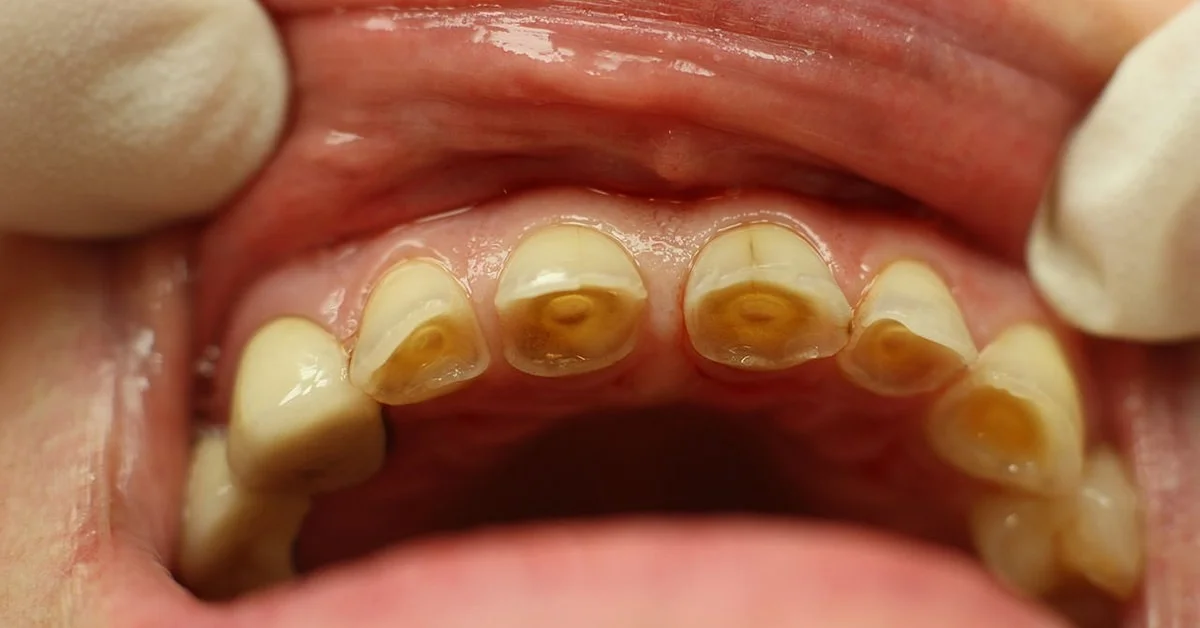
Tooth-related issues in India are evolving beyond typical cavities and dental pain. Dentists across the nation are observing an alarming rise in cases of weakened tooth enamel, which serves as the hard protective layer of teeth. This enamel is essential for safeguarding against decay, sensitivity, and other damages. Unlike bones, enamel does not regenerate once it is worn down. Many individuals remain unaware that certain everyday practices, including improper brushing techniques and excessive consumption of specific beverages, can lead to gradual erosion of this vital layer. Symptoms such as increased sensitivity and a yellowish tint may appear only after significant damage has occurred.

Common Mistakes That Cause Enamel Erosion

Preventing enamel erosion is largely achievable through awareness of common detrimental habits. Identifying these mistakes can empower individuals to take proactive steps in preserving their dental health.

The first common mistake involves brushing too hard or using a toothbrush with hard bristles. Many mistakenly think that applying more pressure results in cleaner teeth; however, aggressive brushing can gradually damage enamel. Using a hard-bristled brush or exerting excessive force can cause micro-abrasions on the enamel surface, leading to thinning enamel and heightened sensitivity over time. To minimize damage, it is advisable to opt for a soft-bristled toothbrush and adopt gentle circular brushing motions for two minutes, twice daily, while avoiding excessive pressure.

Another significant factor contributing to enamel wear is the frequent consumption of acidic foods and drinks. Items such as soft drinks, packaged fruit juices, energy drinks, citrus fruits, and vinegar-based products contain acids that are harmful to enamel. Continuous exposure to these acids can soften enamel, resulting in gradual erosion. The habit of sipping acidic beverages throughout the day increases the duration of acid exposure on teeth, further escalating the risk of damage. To mitigate this, individuals should limit their intake of sugary and acidic items and rinse their mouths with water afterward. It is also essential to wait for at least 30 minutes before brushing after consuming acidic foods, as brushing immediately after can exacerbate the damage.

Teeth grinding, also known as bruxism, is another common issue that can lead to enamel erosion. This condition often occurs during sleep or times of stress, and many may be unaware that they grind their teeth at night. The constant pressure and friction from grinding can slowly wear down enamel, resulting in flat or chipped teeth and increased sensitivity. If individuals notice symptoms like jaw pain, headaches, or visible wear on teeth, consulting a dentist is recommended. A night guard can provide protection against enamel erosion during sleep.

Neglecting oral hygiene and skipping routine dental check-ups can significantly affect enamel health. Inadequate brushing or flossing leads to plaque accumulation, which produces acids that harm enamel and may contribute to decay. Furthermore, missing regular dental visits can result in unnoticed early erosion. Regular check-ups enable dentists to detect early signs of enamel damage before it escalates. Maintaining proper oral hygiene practices, which include brushing twice daily, flossing regularly, and visiting a dentist every six months, is essential.

Overusing teeth whitening treatments is another mistake that can weaken enamel. Many popular whitening products contain potent bleaching agents that, when misused, may cause temporary sensitivity or even enamel damage. To avoid risks associated with frequent use of over-the-counter products, consulting a dentist before starting any whitening treatment is advisable. Careful adherence to instructions and avoiding overuse are critical to safeguard enamel.

Indicators of Weakened Enamel

Many individuals may not immediately recognize enamel erosion, but some common warning signs include heightened sensitivity to hot or cold foods, a yellowish appearance where inner dentine becomes visible, rough or chipped edges on teeth, and an increase in cavities. Prompt consultation with a dental professional is crucial upon experiencing these symptoms.

The growing incidence of enamel damage in India underscores the importance of awareness regarding daily dental practices. Adopting simpler habits such as gentle brushing, reducing acidic drink consumption, managing stress, and ensuring regular dentist visits can significantly impact dental health. Taking steps to protect enamel today helps ensure a healthier smile for the future.

Long or Short, get news the way you like. No ads. No redirections. Download Newspin and Stay Alert, The CSR Journal Mobile app, for fast, crisp, clean updates!

Latest News

Popular Videos
