


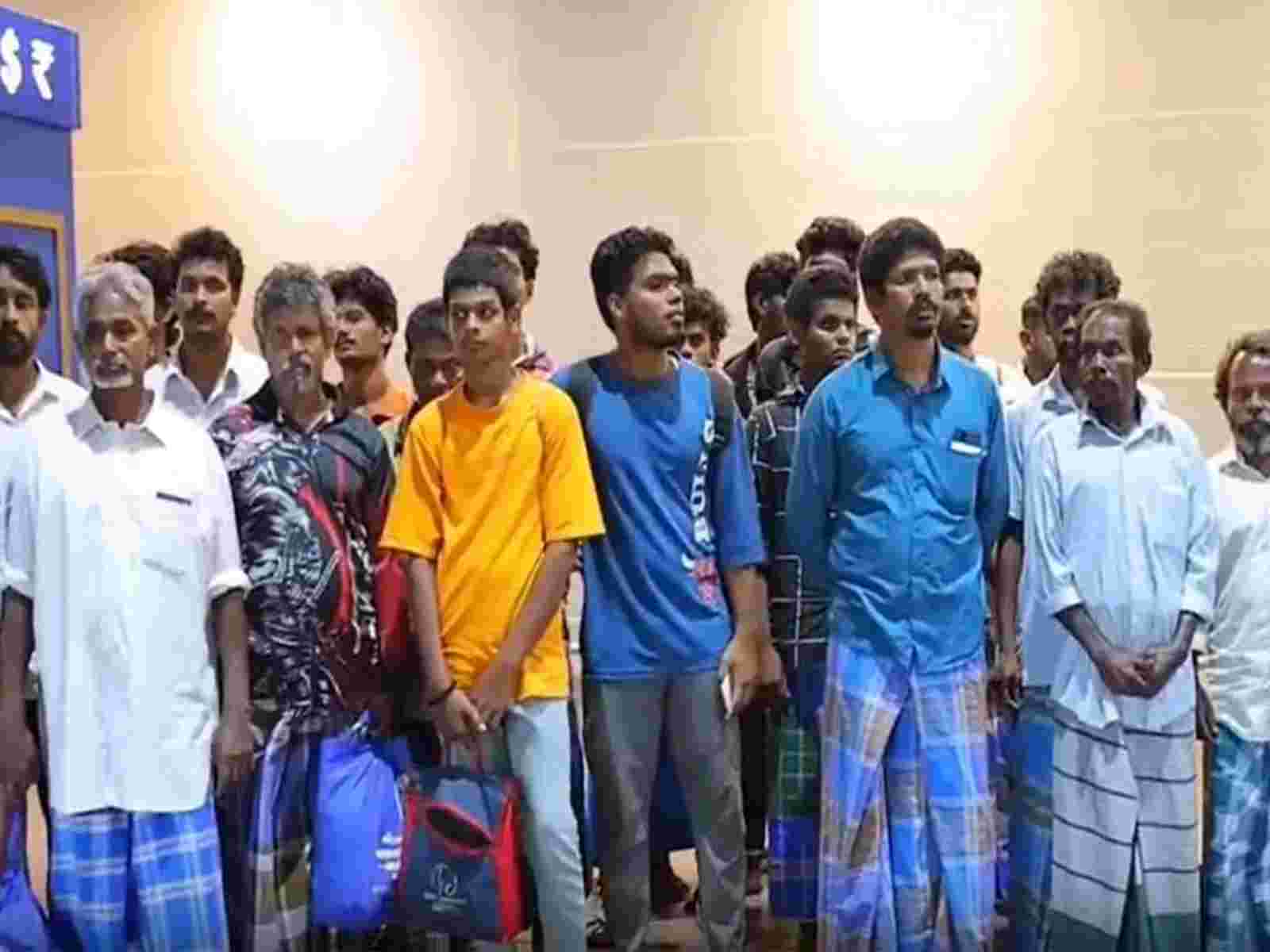
30 Fishermen from Tamil Nadu and Puducherry Return from Sri Lanka
The CSR Journal Magazine

On April 7, thirty Indian fishermen successfully returned to their homeland after being detained in Sri Lanka. The group included 21 individuals from Ramanathapuram and 9 from Karaikal. These fishermen, who are residents of Nagapattinam, Mayiladuthurai, and Karaikal, embarked on their fishing expedition on February 15 using two boats. They were reported to have crossed the International Maritime Boundary Line, leading to their apprehension by the Sri Lankan Navy, which seized their vessels and transported them to Sri Lanka.

Legal Proceedings and Diplomatic Efforts

The fishermen were subsequently presented in a court in Mallakam, where they were placed in custody at a prison in Jaffna. In the aftermath of their detention, both the Central and State governments initiated diplomatic endeavors to facilitate their release. In addition, Charles Martin, a leader from Puducherry’s LJK, engaged legal assistance to work towards securing their freedom. On March 31, the Sri Lankan authorities released all thirty fishermen as a result of these concerted efforts.

Returning Home

After their release, the fishermen were handed over to officials from the Indian High Commission in Colombo. Following medical check-ups and the acquisition of emergency travel documents, they boarded a flight from Colombo and arrived at Chennai International Airport. Upon arrival, they completed necessary customs and immigration procedures. Subsequently, officials from the Fisheries Department provided transport to escort them back to their respective hometowns.

Ongoing Challenges for Fishermen

In light of this incident, Sri Lankan MP Harsha de Silva commented on the recurring issue of Indian fishermen in Sri Lankan waters. He noted that this problem is deeply rooted, as fishing is a primary livelihood for many on both sides of the maritime boundary. De Silva highlighted that the complexities of the situation cannot be simplified, given the reliance of numerous small fishermen on fishing for their survival. He stated that observations made through satellite imagery indicate that Indian trawlers frequently operate in large numbers, adding another layer of difficulty to the issue.

Legal and Economic Dimensions

De Silva characterized the problem as more legally oriented than purely political. He acknowledged that multiple diplomatic channels have been engaged in addressing the issue, particularly concerning practices such as bottom trawling and its implications for marine ecosystems. He emphasized that a resolution to the challenges faced by fishermen would likely require an economic approach rather than a strictly legal one. The recurring arrests of Indian fishermen by Sri Lankan authorities continue to pose a significant concern for the fishing communities in Tamil Nadu, affecting their livelihoods and prompting ongoing discussions between the two nations.

Long or Short, get news the way you like. No ads. No redirections. Download Newspin and Stay Alert, The CSR Journal Mobile app, for fast, crisp, clean updates!

App Store –  https://apps.apple.com/in/app/newspin/id6746449540 

Google Play Store – https://play.google.com/store/apps/details?id=com.inventifweb.newspin&pcampaignid=web_share

Latest News

Popular Videos
