


Faulty Electronics from Developed Nations Contribute to Nigeria’s E-Waste Crisis
The CSR Journal Magazine

In Kano, Nigeria, Marian Shammah, a cleaner, visited the Sabon Gari Market, one of the region’s largest electronics centers, searching for a refrigerator. With her limited income and the rising prices of new appliances, she opted for a second-hand model priced at 50,000 naira (approximately $36). Unfortunately, the freezer failed within a month, leaving her without reliable refrigeration and forcing her to return to the market for another purchase.

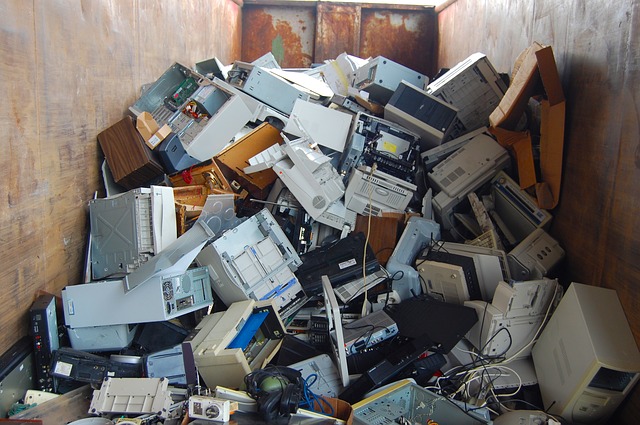
Shammah, like many others in Nigeria, believes that imported second-hand items from Europe and America are more durable than newer, locally manufactured products. Observers indicate that this belief fuels a significant issue in Nigeria, where discarded electronics from developed countries are accumulating, compounding the nation’s mounting e-waste problem.

Global E-Waste Imports and Their Consequences

Annually, an estimated 60,000 tonnes of used electronics are imported into Nigeria, with around 15,700 tonnes already deemed non-functional upon arrival, according to the United Nations. A study highlighted that over 85 percent of these imports come from countries like Germany, the UK, Belgium, the Netherlands, Spain, China, the US, and Ireland, often violating international regulations, including the Basel Convention.

This treaty is designed to prevent hazardous e-waste from being dumped in nations with less stringent environmental protections. E-waste, defined by the UN as discarded electronic devices containing harmful substances, poses threats to both public health and the environment, with Nigeria identified as a significant participant in the trade.

Health Risks and Environmental Impact

The prevalence of hazardous materials in e-waste poses severe health threats, particularly as informal recycling practices involve workers dismantling these devices without proper safety measures. Health surveys indicated that individuals in proximity to these informal recycling areas often report symptoms associated with toxic exposure, such as respiratory issues, skin irritations, and neurological disorders.

These health risks are exacerbated in Kano, where assessments indicate rising heavy metal levels in local soils. Medical professionals predict that exposure to toxins from recycled electronics is causing both short- and long-term health complications within these communities.

Challenges in Regulating E-Waste Imports

Market vendors, like those in Sabon Gari, frequently sell appliances labeled as “directly from Europe,” but much of the merchandise is sold without proper testing. Traders admit that they buy unverified devices to increase their profits, even though regulations prohibit the shipment of e-waste into Nigeria. The National Environmental Standards and Regulations Enforcement Agency (NESREA) emphasizes that used electronics can only be imported if they meet specific functionality guidelines, yet loopholes persist, allowing substandard items to circulate.

Some traders circumvent regulations by labeling cargo as personal belongings or second-hand household goods, significantly reducing inspection rigor. This system results in a continuous influx of defective goods into Nigeria despite regulatory efforts aimed at maintaining quality control.

Grassroots Efforts and the Future of E-Waste Management

The second-hand electronics market is supported by a network of collectors who source discarded items mainly from Europe. Importers have acknowledged that a substantial percentage of shipments arrive damaged or near the end of their lifespan. Retailers have called for clearer regulations and inspection measures to build consumer trust amid widespread concerns over product quality.

With no guarantees for their purchases, many Nigerians resort to buying imported devices, despite frequent failures. As seen through the experiences of consumers, the cycle of purchasing faulty electronics underscores the urgent need for improved regulations and enforcement within the e-waste trade in Nigeria, highlighting the interplay between economic hardship and environmental consequences.

Long or Short, get news the way you like. No ads. No redirections. Download Newspin and Stay Alert, The CSR Journal Mobile app, for fast, crisp, clean updates!

App Store –  https://apps.apple.com/in/app/newspin/id6746449540 

Google Play Store – https://play.google.com/store/apps/details?id=com.inventifweb.newspin&pcampaignid=web_share

Latest News

Popular Videos
