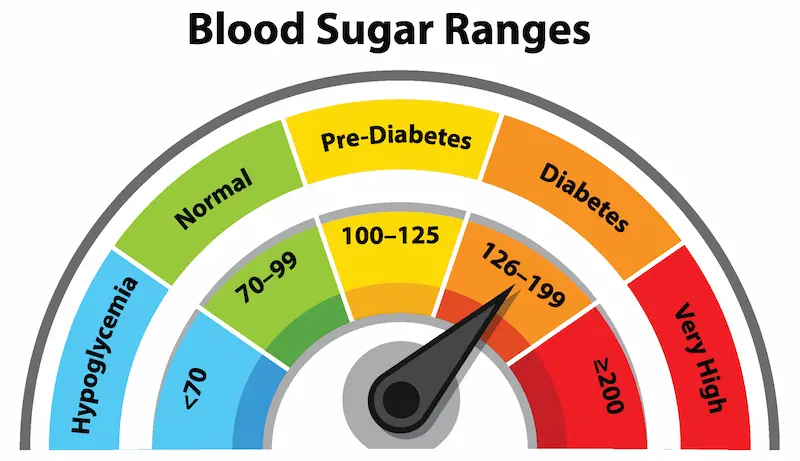
Many individuals often observe that their blood sugar levels are slightly elevated in the morning compared to other times of the day, particularly before breakfast. Dr A. Sharda, a Consultant in Endocrinology at Manipal Hospital located on Millers Road, explains that this phenomenon is a natural function of the body. In the hours leading up to waking up, certain hormones like cortisol and growth hormone surge. These hormones, referred to as counter-regulatory hormones, oppose the action of insulin and play a role in preparing the body for the day by enhancing energy levels. Consequently, the liver releases an increased amount of glucose into the bloodstream.
Insulin Response in Healthy vs. Diabetic Individuals
In individuals with healthy physiology, insulin effectively counters this rise in glucose, maintaining levels within normal parameters. However, for those diagnosed with diabetes or prediabetes, either the body does not produce adequate insulin during the night or cannot utilise it properly due to insulin resistance. This results in elevated blood sugar levels in the morning. Fortunately, adopting a few simple habits in the morning can help in managing these glucose spikes naturally.
Morning Habits to Maintain Stable Blood Sugar Levels
According to Dr Sharda, the following five habits can significantly assist in controlling morning blood sugar levels:
Sunlight Exposure for Hormonal Regulation
The human body operates on a circadian rhythm, which is biologically aligned with daylight and darkness. Exposure to sunlight shortly after waking up can help adjust cortisol levels effectively. Dr Sharda suggests that individuals spend approximately 5 to 10 minutes outdoors on a balcony or visible area where sunlight can reach them. This minimal exposure assists in hormone regulation and may enhance control over morning glucose levels.
Hydration Before Coffee
Many individuals opt for coffee as their first beverage upon waking. However, consuming coffee on an empty stomach can lead to a temporary elevation in blood sugar, particularly among those with insulin resistance. Dr Sharda recommends starting the day with one or two glasses of plain water, as hydration aids kidney function and improves the body’s ability to regulate glucose. Following hydration, coffee can be consumed but should not be the first intake.
Engaging in Light Movement
Exercise plays a vital role in helping muscles absorb glucose from the bloodstream. However, there is no need for an intense workout first thing in the morning. Dr Sharda encourages simple forms of movement such as gentle walking within the home, light stretching, or yoga for 5 to 10 minutes. These activities enhance glucose uptake by muscles and peripheral tissues. Nonetheless, individuals on particular medications like GLP-1 receptor agonists or tirzepatide should avoid vigorous exercises undertaken on an empty stomach, as they may exacerbate hyperglycemia. Gentle movement and breathing exercises are considered safer alternatives.
Incorporating Protein Before Breakfast
For persons with obesity, prediabetes, or early-stage type 2 diabetes, consuming a small amount of protein before breakfast can help mitigate glucose spikes following meals. Options for protein intake include a handful of nuts, a bowl of curd, or a scoop of whey protein mixed with water. Protein consumption slows carbohydrate absorption, thus preventing abrupt increases in blood sugar levels following breakfast.
Monitoring and Adjusting Medication
Individuals on multiple insulin therapy should prioritise monitoring their fasting blood sugar. If levels are significantly high, it may be necessary to assess ketone levels. Occasionally, a corrective insulin dose, typically ranging from 2 to 4 units, might be necessary after consultation. Adjustments may also be required for basal insulin dosages or insulin pump settings. For those on GLP-1 receptor agonists or tirzepatide, maintaining adequate hydration and avoiding coffee immediately upon waking is advisable. In instances of nausea, buttermilk may serve as a beneficial option.
A Streamlined Morning Routine for Blood Sugar Stability
Dr Sharda emphasises a balanced morning routine summarising five essential steps: exposure to sunlight for 5-10 minutes, hydration with water, engaging in light physical activity or yoga, consuming a small protein intake if recommended, and monitoring sugar levels for individuals on insulin. Implementing just a few minutes of mindful care each morning could significantly influence the management of blood sugar levels.