


Elon Musk Slams WhatsApp Privacy Claims Amid Encryption Lawsuit
The CSR Journal Magazine

The recent class-action lawsuit faced by Meta has intensified scrutiny over WhatsApp’s privacy practices. The lawsuit alleges that WhatsApp misrepresented its end-to-end encryption claims, suggesting that the platform enables unauthorised access to users’ private messages. This case has attracted significant attention in a US court, reigniting concerns about user data security on the messaging platform.

The allegations assert that WhatsApp permits employees, contractors, and third parties to access private messages, thereby undermining the very essence of encryption. According to the lawsuit, internal systems at Meta are capable of bypassing encryption protocols, allowing for the review of messages under certain circumstances, particularly those flagged for moderation.

Legal representatives claim that external partners, including Accenture, are implicated and refer to what they describe as a “kleptographic backdoor.” This terminology suggests an underlying mechanism that may facilitate unauthorized access to user content, leading to further complications in the ongoing debate over privacy rights in digital communication.

Elon Musk’s Criticism of WhatsApp

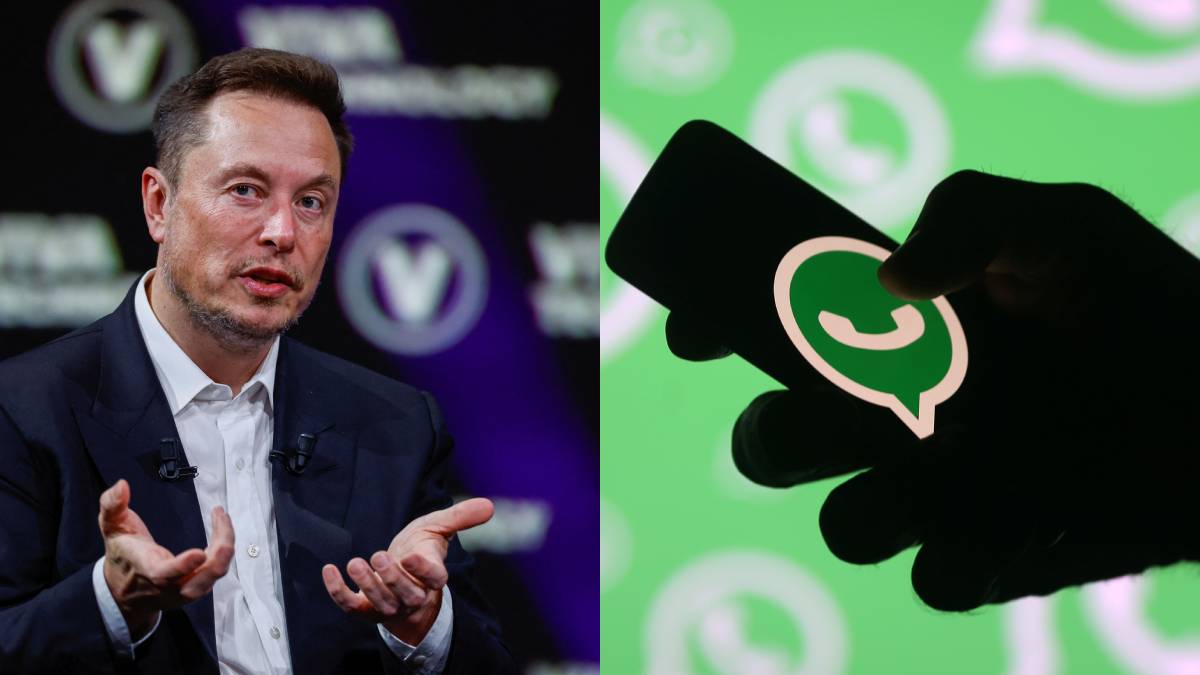
In the aftermath of these allegations, Elon Musk has publicly expressed distrust towards WhatsApp, labelling it “unsafe” for users. Musk’s comments were shared in response to a viral post discussing the legal challenges faced by the platform. He further encouraged individuals to transition to his own platform, X, for what he describes as more secure audio and video communications.

This incident is not the first instance of Musk targeting Meta’s platforms. He has a well-documented history of criticising Mark Zuckerberg and the perceived inadequacies of Meta’s communication services. Musk’s remarks have been complemented by Telegram CEO Pavel Durov, who alleged that WhatsApp’s encryption is misleading and that the application shares user data with third parties.

Durov stated that WhatsApp’s encryption might constitute the largest consumer fraud in history, claiming it deceives billions of users. Interestingly, while Telegram makes these accusations, it should be noted that its own privacy model is less stringent, as standard chats on Telegram are not end-to-end encrypted by default, which raises questions about the comparative security of these messaging platforms.

WhatsApp’s Response to Allegations

In light of the unfolding controversy and Musk’s comments, WhatsApp has vehemently denied the allegations made in the lawsuit. In an official statement, the platform asserted that the claims are categorically false and absurd, emphasising that it has operated with end-to-end encryption based on the Signal protocol for a decade. This, they argue, ensures that only the sender and recipient can access messages.

WhatsApp further clarified that there is no so-called “backdoor” within its system, countering the narrative established by the lawsuit. The company explained that while some messages may undergo review when users report them or if harmful content is flagged, this process does not equate to blanket access to private communications.

This exchange highlights the extensive dialogue around privacy in digital messaging and evokes broader discussions about user rights and data protection in an increasingly interconnected world. The outcome of the lawsuit and the implications for WhatsApp’s operations could potentially redefine standards for privacy within the messaging industry.

Long or Short, get news the way you like. No ads. No redirections. Download Newspin and Stay Alert, The CSR Journal Mobile app, for fast, crisp, clean updates!

App Store –  https://apps.apple.com/in/app/newspin/id6746449540 

Google Play Store – https://play.google.com/store/apps/details?id=com.inventifweb.newspin&pcampaignid=web_share

Latest News

Popular Videos
