


El Nino Expected to Become Most Intense: Food Security Risks Loom in 2027
The CSR Journal Magazine

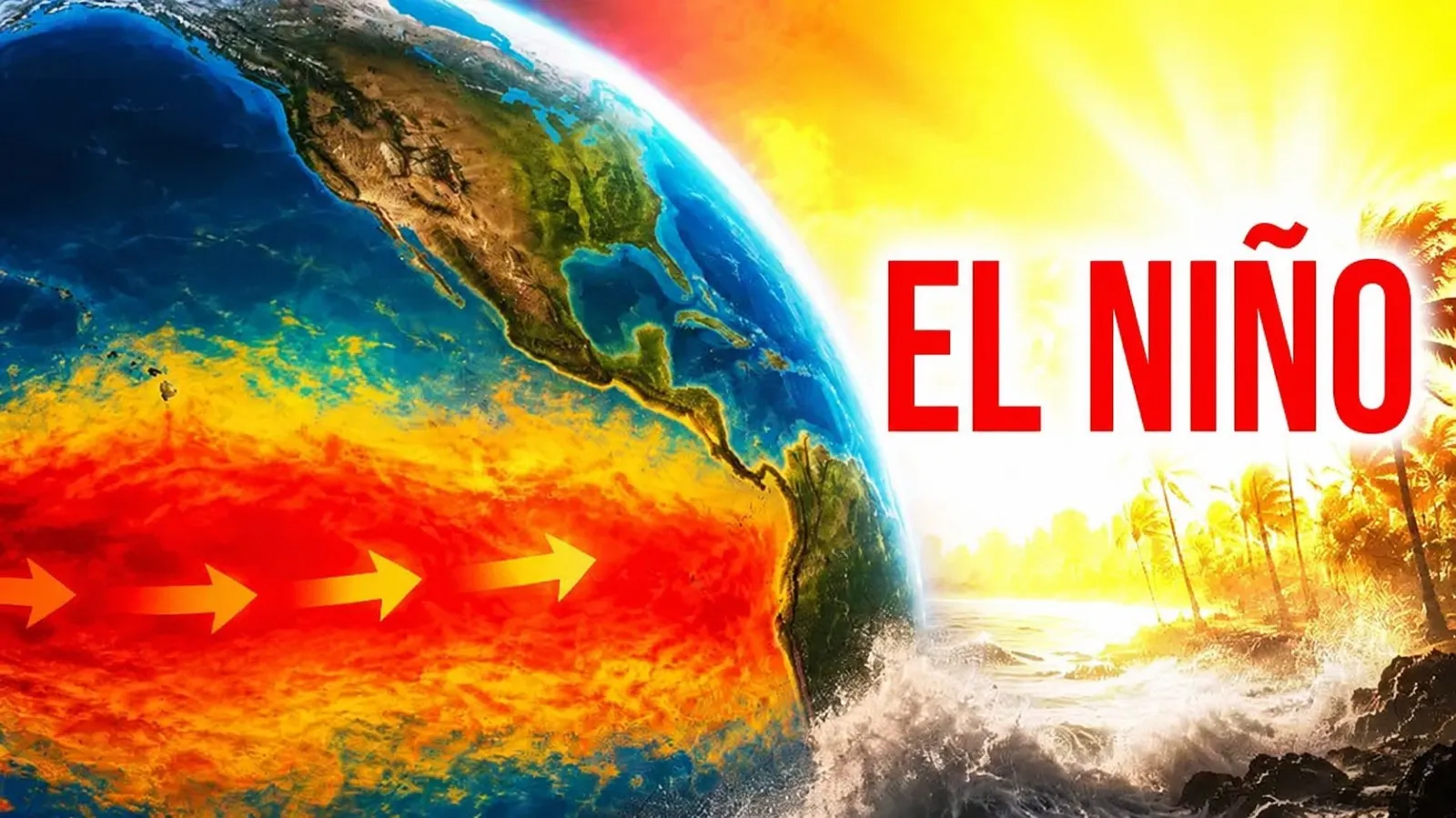
The world is potentially facing one of the most intense El Nino events on record, which raises significant concerns regarding food production and the availability of staple crops. According to the latest advisory from the US National Oceanic and Atmospheric Administration (NOAA), there is a 60 per cent likelihood that the developing El Nino will evolve into a historic phenomenon, with strong to very strong conditions anticipated to persist into early 2027.

NOAA’s recent update indicates that temperatures in the central and eastern equatorial Pacific Ocean have risen significantly, with the Nino 3.4 region recording a temperature difference of 2.5 degrees Celsius above the average. The agency also predicts a greater than 79 per cent chance of these strong conditions continuing through January to March 2027.

However, the implications extend beyond rising ocean temperatures, as the changing weather patterns associated with El Nino could jeopardise harvests, disrupt food supplies, and exacerbate hunger in regions already grappling with food insecurity.

Impact of El Nino on Agriculture

El Nino is a natural climate phenomenon characterised by warmer-than-usual sea surface temperatures in parts of the Pacific Ocean, which subsequently alters wind patterns and the distribution of rain-bearing clouds globally. These changes can lead to prolonged dry spells in some agricultural regions while causing excessive rainfall and flooding in others, both of which can severely damage crops.

Farmers, particularly those reliant on seasonal rainfall, face significant challenges. A failed rainy season or extended drought can leave fields parched, while flooding can obliterate standing crops and damage agricultural land. Additionally, higher temperatures can increase water demand, placing further strain on crops and livestock.

The Food and Agriculture Organisation (FAO), in its assessment dated November 17, has warned that the intensifying El Nino poses increased risks to staple crop production and food security across various regions. Countries already affected by conflict, displacement, and high food prices are particularly vulnerable, as these communities often lack the resources to withstand another agricultural crisis.

Global Response and Preparations

The scale of concern regarding food security is evident in the proactive measures being taken by the FAO and the World Food Programme (WFP). The two organisations have initiated a $202 million anticipatory action appeal aimed at protecting nearly 9 million individuals across 22 high-risk countries from potential climate-related disruptions.

The proposed support measures include facilitating farmers’ access to drought-resistant and flood-resistant seeds, safeguarding livestock, improving water storage, and providing assistance prior to extreme weather events that could threaten livelihoods. The European Commission’s Joint Research Centre has also identified risks to agricultural production in various regions.

Throughout much of 2026, sea surface temperatures in the equatorial Pacific have experienced significant warming, largely influenced by the presence of a very strong El Nino. In southern Africa, below-normal rainfall and above-normal temperatures may jeopardise maize production through March 2027, while parts of East Africa and Central America are also facing agricultural and food security challenges.

India’s Vigilance on El Nino Developments

India, being the world’s most populous nation, is closely monitoring the developing El Nino event due to its implications for food security. Historically, El Nino has been linked to weaker southwest monsoon rainfall, although its effects can vary, influenced by other oceanic and atmospheric conditions.

A weaker monsoon could adversely affect rain-fed agriculture, water availability, and overall agricultural production, especially if rainfall deficits coincide with elevated temperatures. With the current El Nino expected to remain strong into early 2027, its potential impact on India’s June to September monsoon season will be closely observed.

This powerful El Nino is anticipated to have far-reaching effects, extending beyond weather patterns to influence farms, food markets, and households that are already struggling to secure basic necessities.

Long or Short, get news the way you like. No ads. No redirections. Download Newspin and Stay Alert, The CSR Journal Mobile app, for fast, crisp, clean updates!

App Store – https://apps.apple.com/in/app/newspin/id6746449540

Google Play Store – https://play.google.com/store/apps/details?id=com.inventifweb.newspin&pcampaignid=web_share

Latest News

Popular Videos
