


app-store-logo
play-store-logo
March 2, 2026

Eco-friendly Holi 2026: Celebrating the Festival with Nature in Mind
The CSR Journal Magazine

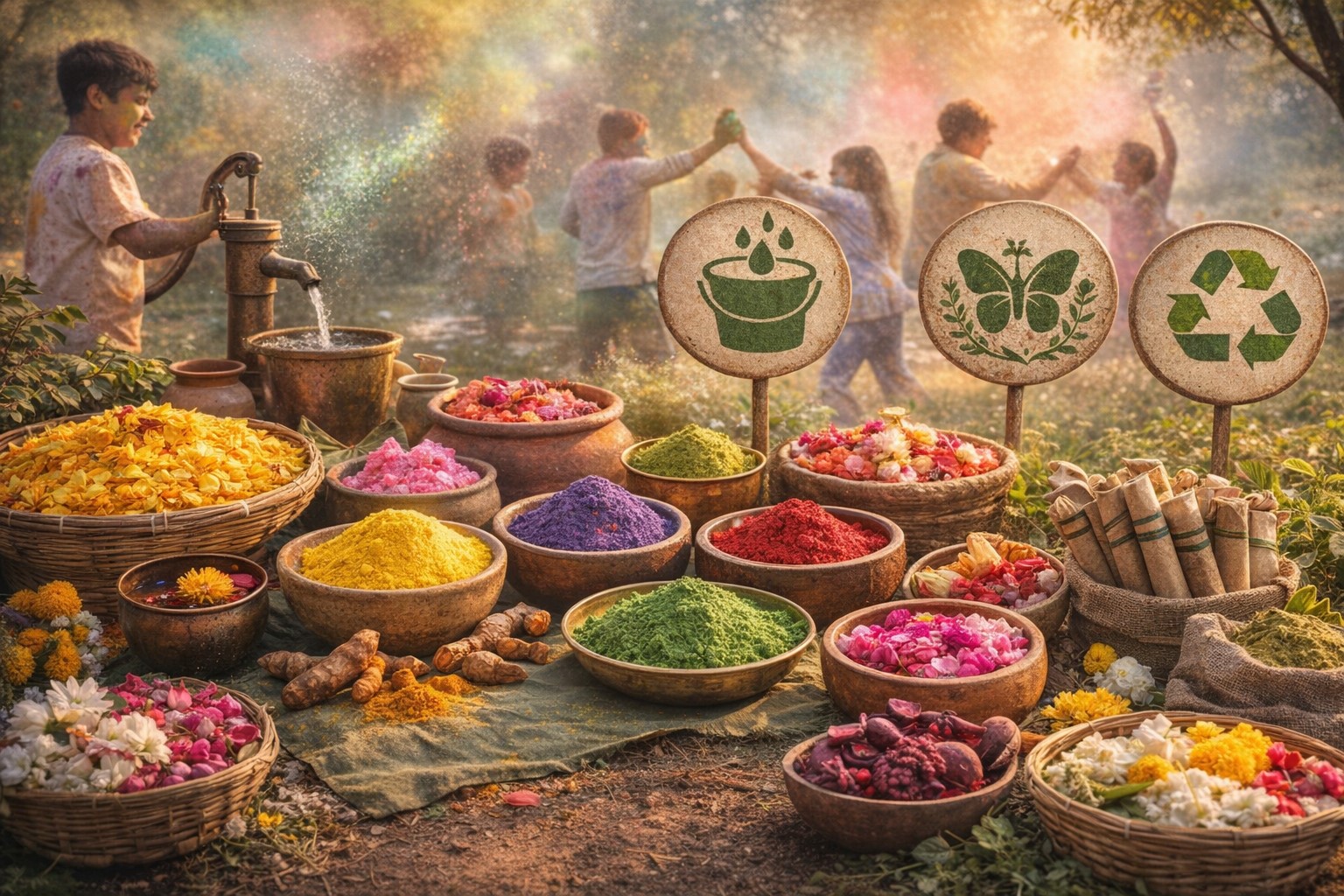
Holi, celebrated with vibrant colors and joyous gatherings, can often leave behind environmental challenges such as contaminated water, plastic pollution, and harmful chemical residues. As Holi 2026 approaches, an increasing number of families are opting for eco-conscious celebrations that uphold the essence of the festival while prioritizing environmental sustainability. With rising concerns over climate change and persistent water shortages in several Indian cities, the need for responsible festivities is more crucial than ever. Embracing a greener approach to Holi does not equate to a lackluster celebration; rather, simple adjustments like using natural colors, conserving water, and being mindful of waste can enhance the experience for everyone, including wildlife and the planet.

Opt for Natural and Safe Colors

A significant number of commercial color products contain harmful chemicals that can adversely affect skin, eyes, and aquatic habitats. To mitigate these risks, natural colors present a safer alternative. Options such as flower-based gulal derived from marigold, rose, or palash are widely available and eco-friendly. Additionally, turmeric, beetroot powder, and dried leaves can serve as excellent color sources. Not only do these natural colors wash off easily, but they also prevent damage to the soil and drainage systems. It is advisable to avoid glitter or metallic hues, as they are visually appealing but can lead to severe water pollution and difficult clean-up processes.

Water Conservation Practices

Water wastage remains one of the critical issues associated with Holi celebrations. In numerous regions, water supply often becomes limited shortly after the festival. To tackle this concern, opting for a dry Holi using gulal or flower petals is highly recommended. If water is necessary, utilizing buckets rather than hoses can help restrict usage. Limiting playtime to the morning and stopping early in the day can further contribute to water conservation. Community housing societies are encouraged to establish basic guidelines for managing water use while ensuring that the festive spirit remains intact.

Responsible Clothing and Decorations

Choosing appropriate attire for the festivities is essential. Wearing old cotton garments that can be reused or recycled helps minimize waste. Unlike synthetic materials, cotton does not trap colors and does not release microplastics during washing. For decorations, it is best to avoid plastic items like balloons and banners. Utilizing fresh flowers, paper bunting, and fabric decor can create an ambiance of joy without contributing to plastic waste, as these can either be reused or composted.

Consideration for Animals and Public Spaces

It’s vital to prioritize the well-being of animals and common areas during Holi. Loud music, chasing pets, and throwing colors at animals can lead to distress and harm. Pet owners should keep their animals indoors and away from crowded locations. Additionally, respect the wishes of those who prefer not to participate in the color play, ensuring that public spaces, parks, and water bodies remain clean and well-maintained.

Mindful Celebration with Purpose

The essence of an eco-friendly Holi is centered on care and consideration. Responsible festivities signify respect for nature, neighbors, and future generations. This Holi 2026, aim to create lasting memories while ensuring the planet remains vibrant and thriving.

Long or Short, get news the way you like. No ads. No redirections. Download Newspin and Stay Alert, The CSR Journal Mobile app, for fast, crisp, clean updates!

App Store –  https://apps.apple.com/in/app/newspin/id6746449540 

Google Play Store – https://play.google.com/store/apps/details?id=com.inventifweb.newspin&pcampaignid=web_share

Latest News

Popular Videos
