


ECI Addresses Security Vulnerability Exposing Personal Voter Data
The CSR Journal Magazine

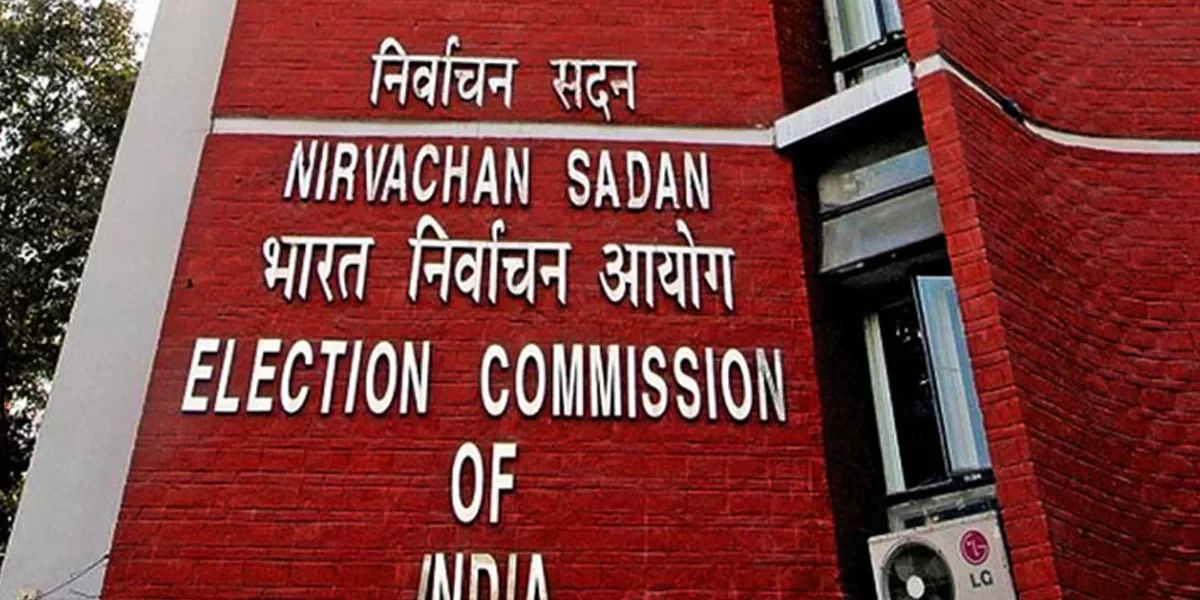
The Election Commission of India (ECI) has addressed a security vulnerability on its website that previously exposed sensitive personal information of registered voters. This flaw was identified by Reuters during a month-long investigation and reported to the ECI on October 26, 2026. The vulnerability allowed access to details such as voters’ names, phone numbers, email addresses, dates of birth, residential addresses, and file paths to uploaded identity documents through a browser’s developer tool.

The security gap was rectified on November 26, following repeated inquiries from Reuters. This incident occurred just a month prior to assembly elections in significant states like Uttar Pradesh, amidst heightened scrutiny regarding the ECI’s voter list verification process. Experts indicated that the vulnerability could have facilitated the mass harvesting of voters’ personal data.

The flaw was linked to the website’s call-booking system, introduced in June 2025, which allowed voters to request calls from their electoral officers. The network tab on the website revealed reference numbers associated with voter registration, leading to the exposure of additional personal information.

Details of the Exposed Information

According to Reuters, the vulnerability allowed access to personal details that were not visible on the main webpage. This included home addresses and file paths to voter-registered identification documents. Indian security researchers Karan Saini and Ehraz Ahmed verified the flaw, noting that the reference numbers followed a predictable sequence.

It could enable attackers to guess the numbers and automate the collection of sensitive information. Researchers warned that cybercriminals could have exploited publicly available web tools and basic coding skills to download identity documents, including passports and national identity cards.

A reporter from Reuters was able to replicate the steps to download a copy of their national identity document, highlighting the inadequacy of the server’s verification process. Despite the findings, Reuters could not determine whether the vulnerability had been exploited, how long it had been present, or the number of voters potentially affected. The ECI’s response to the initial inquiry was delayed, leading to concerns about the security of voter data.

EC Responds to Concerns

After Reuters raised concerns, the ECI was contacted on October 26 for comments regarding the findings. The commission did not respond until November 26, when a spokesperson confirmed that the IT division had been instructed to investigate the issue. Following this, a review confirmed that the vulnerability had been addressed, and the method of accessing sensitive information was no longer available.

Congress spokesperson Pawan Khera described the revelations as “deeply alarming,” cautioning that such exposure could lead to voter information being used for intimidation, profiling, and voter suppression. Former election commissioner Ashok Lavasa stated that the exposure appeared to be accidental, while the ECI’s website privacy statement acknowledged that no system can be entirely secure.

This incident follows a similar security concern reported in 2019, when researcher Karan Saini discovered that the ECI’s online voter search portal was exposing personal information through the browser’s network tab. The recurrence of such vulnerabilities raises questions about the robustness of the ECI’s data protection measures.

Long or Short, get news the way you like. No ads. No redirections. Download Newspin and Stay Alert, The CSR Journal Mobile app, for fast, crisp, clean updates!

App Store – https://apps.apple.com/in/app/newspin/id6746449540

Google Play Store – https://play.google.com/store/apps/details?id=com.inventifweb.newspin&pcampaignid=web_share

Latest News

Popular Videos
