


app-store-logo
play-store-logo
February 26, 2026

East India Company Faces Bankruptcy, Ceases Operations After 170 Years
The CSR Journal Magazine

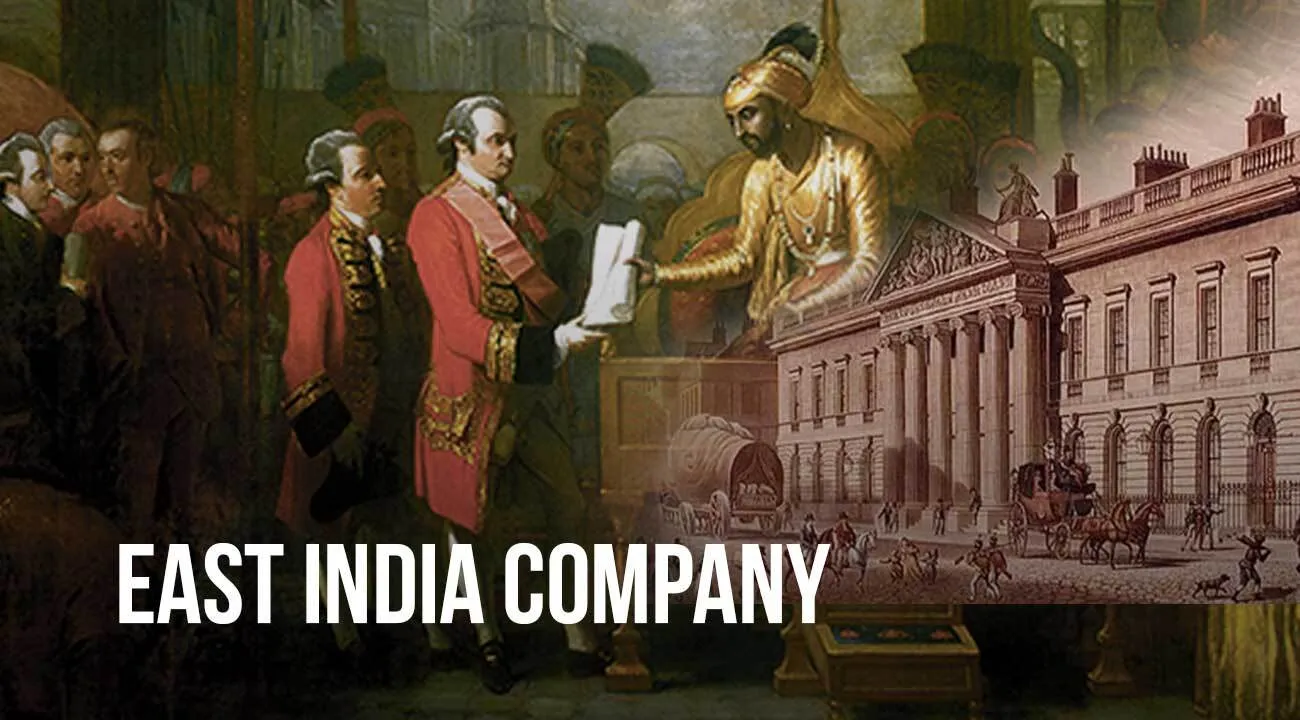
The East India Company, a historical British trading entity that once wielded significant power in India, has discontinued its operations as a luxury retailer in London. The company had previously gone dormant nearly 152 years ago but was revived in 2010 by British-Indian entrepreneur Sanjiv Mehta, who purchased the rights to its name. This recent closure follows the company’s declaration of bankruptcy.

Historical Context

The original East India Company’s rule in India ended when the British government assumed control following the Indian Rebellion of 1857, known as the Sepoy Mutiny. In 1858, the British Crown established direct governance in India, marking the beginning of the British Raj. The legacy of the East India Company is predominantly viewed through a lens of exploitation, particularly due to its involvement in widespread suffering, including the Great Bengal Famine, which resulted in the deaths of approximately 30 million people.

Recent Financial Difficulties

In October 2025, the East India Company Limited appointed liquidators as part of its financial proceedings. Reports indicate that the firm incurred debts exceeding £600,000, which translates to around Rs 6.3 crore, owed to its parent company in the British Virgin Islands. Additionally, it reportedly owed £193,789 (approximately Rs 2.03 crore) in taxes and £163,105 (about Rs 1.71 crore) to its employees. Other businesses associated with the “East India” name linked to Mehta have also been dissolved.

Closure of Physical Establishments

The company’s official website is currently non-operational, and its retail space located at 97 New Bond Street in Mayfair, London, is empty and available for rent. Another affiliated entity, East India Company Collections Limited, is also undergoing proceedings initiated by creditors aimed at its winding-up.

Revival Efforts by Sanjiv Mehta

In the early 2000s, Sanjiv Mehta began acquiring the East India Company name from shareholders who sought to revamp it as a wholesale business. By 2010, he opened a luxury retail outlet covering 2,000 square feet in Mayfair, specializing in high-quality teas, chocolates, spices, and confectioneries, aiming to create a modern counterpart to renowned shops like Fortnum & Mason. Mehta framed this revival as a transformation of a symbol of colonialism into a positive representation in contemporary society.

Historical Significance of the Original Company

The East India Company was established on December 31, 1600, through a royal charter from Queen Elizabeth I, and was among the first joint-stock companies aiming to compete for Eastern spices and goods. It operated its first trading post in Surat, India, in the early 17th century and eventually monopolized British trade across the region. By the 1700s, it had evolved into a formidable political entity, collecting taxes and forging alliances, while simultaneously engaging in conflicts with both local rulers and foreign competitors.

The Downfall of the East India Company

At its zenith, the company controlled a significant portion of global trade and acted akin to a governing body in India. However, its exploitative practices, forced agricultural policies, and the resultant famines fueled discontent, ultimately leading to the rebellion in 1857 that prompted the Parliament to dissolve the company in 1874, transitioning power to the Crown. The narrative of the East India Company serves as a poignant reminder of how commercial ambitions can intertwine with imperial aspirations, leaving a profound impact on India and global economies.

Long or Short, get news the way you like. No ads. No redirections. Download Newspin and Stay Alert, The CSR Journal Mobile app, for fast, crisp, clean updates!

App Store –  https://apps.apple.com/in/app/newspin/id6746449540 

Google Play Store – https://play.google.com/store/apps/details?id=com.inventifweb.newspin&pcampaignid=web_share

Latest News

Popular Videos
