


“Dubai Could Be Blown Up”: Jeffrey Sachs Issues Dire War Warning to UAE
The CSR Journal Magazine

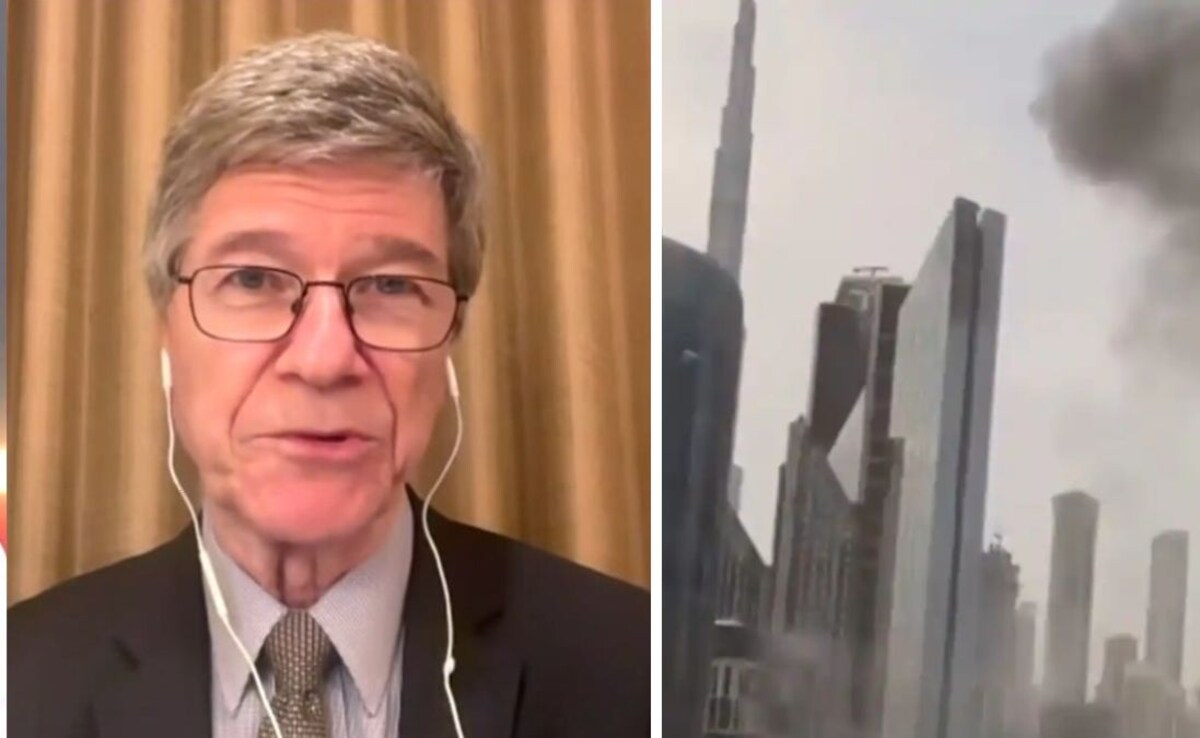
Leading economist Jeffrey Sachs has issued a serious warning regarding the safety of key Gulf cities, particularly Dubai and Abu Dhabi, suggesting that the United Arab Emirates could be in jeopardy should it engage in the ongoing regional conflict. Sachs noted that the UAE’s economic and urban centers, designed to serve as international tourist and financial hubs, are at risk of facing the harsh realities associated with warfare.

Sachs emphasized the precarious nature of urban centers like Dubai and Abu Dhabi, stating that they are not equipped for long-term military defense. He remarked, “Basically, Dubai and Abu Dhabi could be blown up if the UAE gets into the war,” highlighting the inherent vulnerability of cities that have not been fortified against potential military threats.

Tourism and Security: A Fundamental Conflict

According to Sachs, the identity of these cities makes them especially susceptible to conflict. He pointed out that both locations serve as resorts and tourist destinations rather than fortified military installations. “To enter a war zone is to defeat the entire purpose of a place like Dubai,” he stated, underlining that these cities are more suited to leisure and economic exchange than to conflict.

Sachs characterized the UAE’s current diplomatic stance as an “absurd mess,” raising concerns about the country’s increasing alignment with the United States and Israel, which he believes could exacerbate regional tensions.

Strategic Missteps in Foreign Policy

The economist linked the UAE’s foreign policy decisions to its involvement in the Abraham Accords, labeling the move as an “invitation for disaster.” He criticized Gulf states for relying heavily on American military support, believing it would provide a shield against local threats. “This is a fundamental miscalculation,” he warned, echoing a saying by Henry Kissinger: “To be an enemy of the United States is dangerous, but to be a friend is fatal.”

Call for Reassessment of Military Engagement

Sachs urged UAE leadership to reconsider its current policies to avoid exacerbating the situation. He cautioned, “Protect yourself. Understand the situation.” He implied that continuing to support a failing strategy could be detrimental to the nation’s safety.

His comments come during a time when diplomatic resolutions remain limited, with only indirect communications among regional players and no direct negotiations between Washington and Tehran.

Iran’s Increasing Tensions with Gulf States

Amid these developments, Iran has also issued warnings to its neighbors in the region. The Iranian foreign ministry recently urged countries in West Asia to prevent the United States from utilizing their military facilities for strikes against Iran. Tehran fears that such actions would represent participation in aggression, indicating the potential for severe consequences for countries allowing such military operations.

Implications for Gulf Stability

The Gulf states have condemned recent assaults on their energy infrastructures, indicating a growing alignment with U.S. perspectives. This geopolitical shift raises concerns about a broader regional conflict. As tensions escalate, the UAE faces critical questions about whether its international partnerships provide safety or merely serve to heighten its exposure to conflict. The stakes for cities like Dubai and Abu Dhabi extend beyond politics, impacting their foundational economic models as global hubs.

Long or Short, get news the way you like. No ads. No redirections. Download Newspin and Stay Alert, The CSR Journal Mobile app, for fast, crisp, clean updates!

App Store –  https://apps.apple.com/in/app/newspin/id6746449540 

Google Play Store – https://play.google.com/store/apps/details?id=com.inventifweb.newspin&pcampaignid=web_share

Latest News

Popular Videos
