


Ditch the Protein Myth: These Everyday Indian Foods Pack a Powerful Nutrition Punch
The CSR Journal Magazine

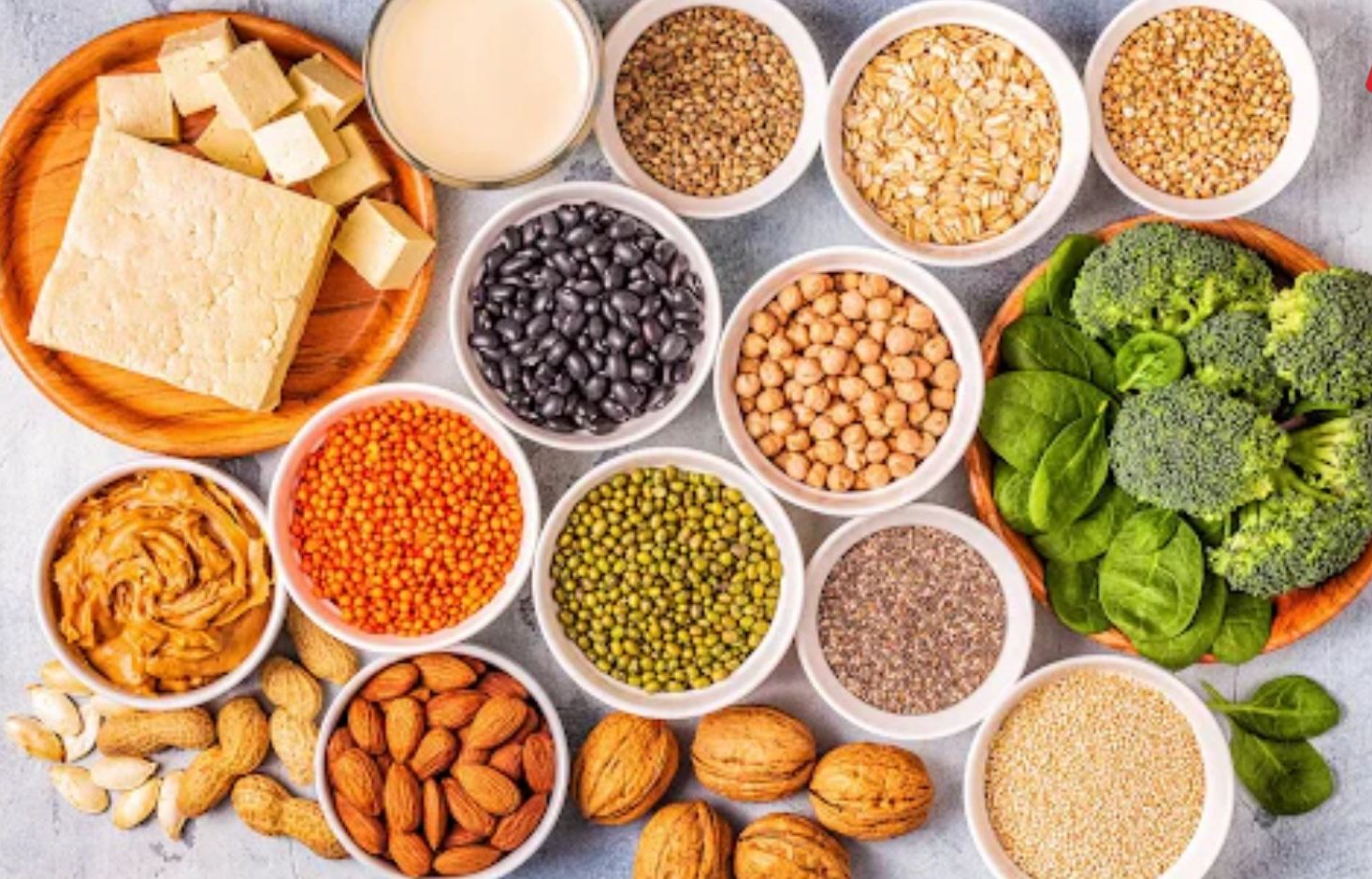
When considering protein sources in India, many individuals immediately think of paneer and eggs. However, this belief represents only a fraction of the protein-rich options available. Numerous high-protein foods often remain overlooked in everyday meals, from dals and legumes to seeds and grains. The aim is not to eliminate familiar foods but to expand the variety of choices available for meal preparation.

A more diverse list of protein-rich foods not only enhances meal options but also aids in planning nutritious diets. Individuals can benefit from a wider range of ingredients that fit seamlessly into traditional cooking, making protein intake both interesting and manageable.

Diverse Protein-Rich Foods in Indian Kitchens

While paneer and eggs are popular due to their ease of preparation, relying solely on these two sources can lead to monotonous meals. Proteins such as dals and legumes are readily available in Indian kitchens and add variety without requiring special recipes. Available options include moong dal, masoor dal, chickpeas (chana), and rajma, all of which are not only nutritious but also integral components of everyday meals.

These legumes are versatile and can feature in a range of dishes, from hearty curries to light snacks. Their incorporation into the diet can provide substantial protein while still offering filling and satisfying meals, demonstrating their value as common dietary staples.

Moreover, exploring soy-based food products can be beneficial, as they are often underestimated despite being significant protein sources. Tofu, tempeh, and soy chunks are examples of soy products that can easily complement or replace traditional ingredients in various dishes.

Nuts, Seeds, and Grains as Essential Protein Sources

Nuts and seeds, although small in size, contribute significantly to protein intake. Peanuts, pumpkin seeds, and chia seeds can be effortlessly incorporated into snacks, breakfasts, or salads, helping to boost daily protein consumption without substantial effort.

In addition to these, certain grains provide more than just carbohydrates and offer a decent protein boost. Quinoa and millets, such as ragi and bajra, are excellent alternatives to traditional rice or wheat. These grains not only contribute to protein intake but also add interesting textures and flavours to various meals.

Incorporating a range of protein sources into the diet can significantly enhance meal variety and nutritional content. By doing so, individuals can avoid predictability and reduce reliance on just a couple of familiar options. Experimenting with different protein sources can also foster culinary creativity, allowing for more flexible meal planning.

The Importance of Variety in Daily Meals

When individuals confine their protein options primarily to paneer and eggs, there is a risk of meals becoming predictable and uninspired. Diversifying protein sources offers essential benefits, such as keeping meals interesting and providing greater flexibility in cooking. This approach allows individuals to easily plan daily meals while ensuring a more balanced intake of nutrients.

Overall, if one’s perception of protein is limited to just paneer and eggs, it may be time to explore other possibilities. Everyday foods such as dals, soy products, nuts, and grains present a myriad of options for enhancing dietary variety. By adopting a wider range of ingredients, individuals can create meals that are not only simpler to prepare but also more enjoyable and nutritionally rich.

Long or Short, get news the way you like. No ads. No redirections. Download Newspin and Stay Alert, The CSR Journal Mobile app, for fast, crisp, clean updates!

App Store –  https://apps.apple.com/in/app/newspin/id6746449540 

Google Play Store – https://play.google.com/store/apps/details?id=com.inventifweb.newspin&pcampaignid=web_share

Latest News

Popular Videos
