


Diet in Your 40s May Influence Long-Term Memory Health
The CSR Journal Magazine

The recent research highlights the significant role that diet plays in cognitive health during midlife, particularly in the 40s. Evidence suggests that what individuals consume during this period can leave a lasting impression on brain function as they age. This adds a new dimension to how lifestyle choices can influence mental well-being over the long term.

Experts emphasise that cognitive decline often begins subtly and gradually in midlife, contrary to the common belief that it starts exclusively in old age. Therefore, the 40s are deemed a crucial time for making dietary adjustments that could protect cognitive capabilities in later years.

Physical Changes in the Brain During the 40s

As individuals enter their 40s, the brain starts to experience subtle transformations. These changes may include slower information processing, diminished neural plasticity, and early signs of inflammation. Experts pointed out that ageing impacts various organs, including the brain, beginning around this age.

While it is important to note that not everyone will experience these changes at the same pace, poor lifestyle decisions, particularly regarding diet, could exacerbate cognitive deterioration. Thus, health experts advocate for proactive measures to safeguard brain health and mitigate the risks associated with ageing.

As such, increasing awareness around dietary choices during this period is essential. The habitual intake of unhealthy foods can significantly influence brain structure and function, potentially accelerating cognitive decline.

How Diet Affects Cognitive Function

Research indicates that dietary habits established in the 40s can accumulate risk factors for cognitive issues. Specifically, diets high in sugar, unhealthy fats, and processed foods can lead to adverse effects on brain health over time. The consumption of highly processed items and trans fats does not only affect physical health but can also contribute to faster brain ageing.

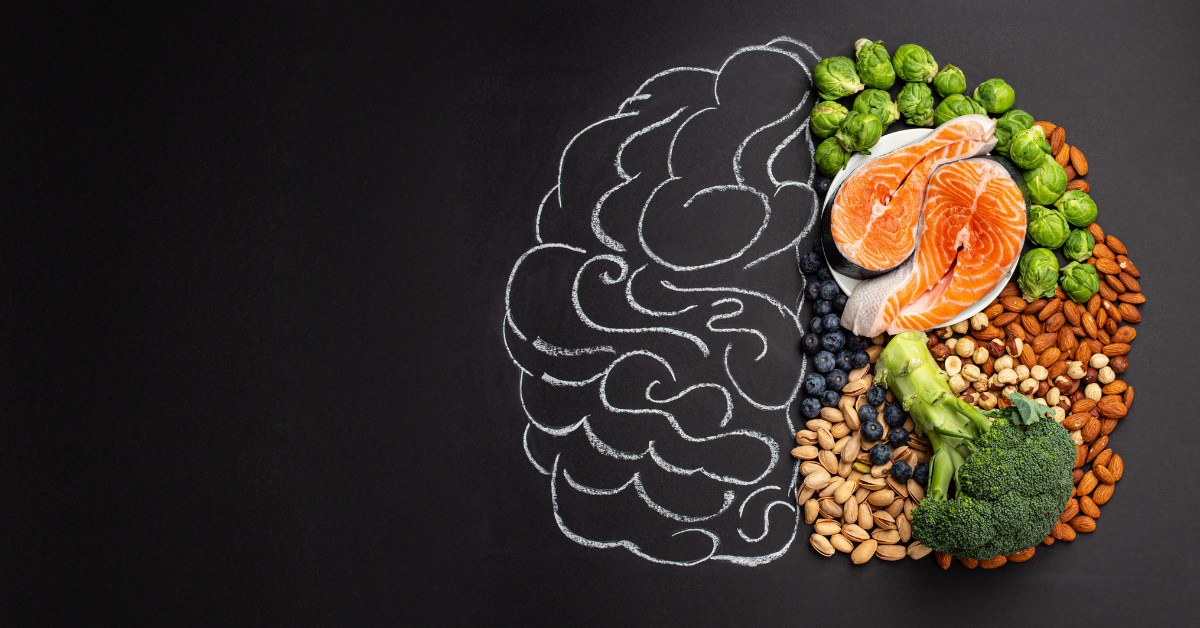
Experts suggest focusing on three main dietary components: timing, quality, and quantity. Experts advise avoiding late-night eating, incorporating more raw foods such as fruits, vegetables, seeds, and nuts, whilst reducing the intake of junk and processed foods. These simple adjustments could help maintain cognitive health.

Conversely, a balanced diet rich in antioxidants, polyphenols, and healthy fats can alleviate oxidative stress within the brain. Foods like blueberries not only enhance cognitive function but also lower the risk of long-term damage. Therefore, limiting refined sugars and carbohydrates is recommended to protect brain health.

Incorporating Positive Dietary Changes

Making small, consistent changes to dietary habits can yield significant long-term benefits. It is not necessary to undertake a drastic overhaul of eating habits. Instead, simple steps such as replacing sugary snacks with fresh fruits, boosting vegetable intake, and incorporating nuts and seeds, can lead to improved cognitive health.

Furthermore, opting for healthier fats while reducing junk food consumption can enhance memory, concentration, and overall brain function. The dietary choices made during the 40s will consequently shape cognitive health for years to come.

Thus, individuals in this age group should recognise the importance of food not merely as sustenance but as a key factor in cognitive preservation. Eating correctly is a fundamental aspect of maintaining brain health, complementing other forms of mental engagement and activity.

Long or Short, get news the way you like. No ads. No redirections. Download Newspin and Stay Alert, The CSR Journal Mobile app, for fast, crisp, clean updates!

App Store –  https://apps.apple.com/in/app/newspin/id6746449540 

Google Play Store – https://play.google.com/store/apps/details?id=com.inventifweb.newspin&pcampaignid=web_share

Latest News

Popular Videos
