


Diet Choices in Your 40s May Influence Future Brain Function
The CSR Journal Magazine

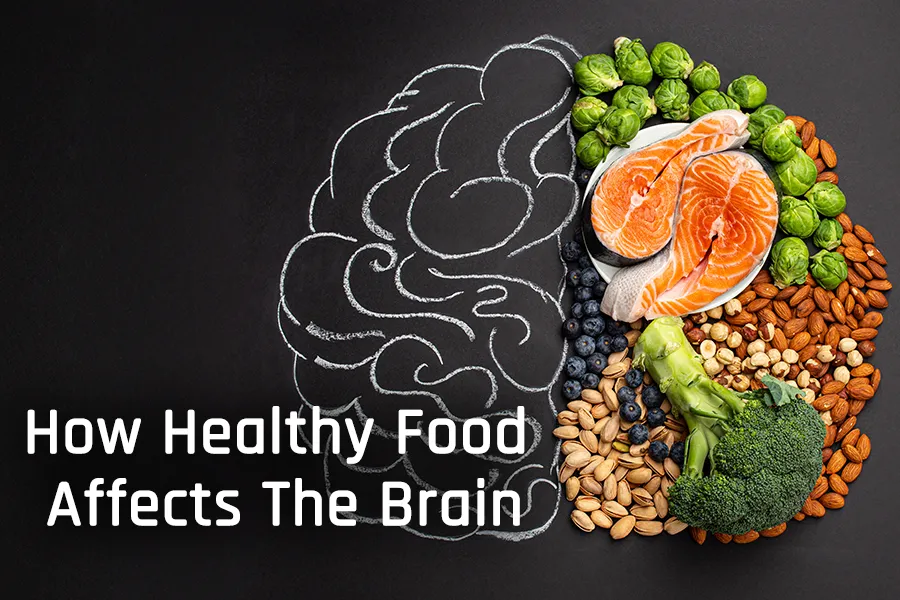
In a finding published in JAMA Neurology, a substantial study encompassing over 150,000 adults suggests that dietary habits during middle age can significantly impact cognitive abilities in later years. Individuals who consume a diet abundant in fruits, vegetables, whole grains, and fish report fewer early signs of cognitive decline and generally perform better on cognitive assessments as they age. The research emphasizes a critical age bracket of 45 to 54, during which the foundation for long-term brain health is often established.

Health Risks Begin to Surface

Monita Gahlot, a dietician at AIIMS Delhi, points out that this period is crucial as numerous risk factors—such as hypertension, blood sugar irregularities, inflammation, and vascular damage—can start to take a toll on brain health without overt symptoms. Midlife not only provides an opportunity for lifestyle adjustments but also allows for dietary changes that have the potential to influence brain flexibility positively. Habits set during this stage may contribute to building cognitive reserve, which could mitigate risks associated with dementia.

Impact of Specific Diets

The research indicates that the DASH (Dietary Approaches to Stop Hypertension) diet is particularly effective in lowering the risk of cognitive decline, reinforcing its advantages beyond cardiovascular health. Ritika Samaddar, chief clinical nutritionist at Max Super Speciality Hospital, affirms that a person’s diet has a profound and lasting effect on brain health throughout their life. She emphasizes the importance of plant-based diets that incorporate a variety of fruits, vegetables, whole grains, nuts, seeds, and healthy fats, such as those found in olive oil and fish. Conversely, she advises minimizing the consumption of red and processed meats, refined carbohydrates, sugary beverages, and ultra-processed foods.

Multiple Pathways Affecting Brain Health

Experts note that dietary choices influence the brain through several mechanisms. A healthy gut microbiome is essential for maintaining cognitive function and emotional well-being, whereas poor dietary practices can lead to increased inflammation and oxidative stress, which in turn can harm brain cells. Moreover, stable blood sugar levels and good vascular health are critical for sustaining brain function over time.

Link Between Poor Diets and Cognitive Decline

The study also identifies diets high in red and processed meats, as well as those associated with inflammation or spikes in blood sugar levels, as linked to negative outcomes in brain health. As discussions about brain aging become increasingly pertinent, experts advocate for proactive measures to begin early, particularly in midlife. Given the anticipated rise in dementia cases in countries like India, these findings underscore the urgency of preventive strategies aimed at promoting better dietary practices for cognitive health.

Long or Short, get news the way you like. No ads. No redirections. Download Newspin and Stay Alert, The CSR Journal Mobile app, for fast, crisp, clean updates!

App Store –  https://apps.apple.com/in/app/newspin/id6746449540 

Google Play Store – https://play.google.com/store/apps/details?id=com.inventifweb.newspin&pcampaignid=web_share

Latest News

Popular Videos
